Dreaming about a home where the sound of the waves is part of your daily routine? In Pierpont and The Lanes, that lifestyle is real, but so are the practical details that shape how you live there. If you are thinking about buying or selling in this part of Ventura, it helps to understand not just the charm, but the day-to-day realities that come with being this close to the beach. Let’s dive in.
What Makes Pierpont Different
Pierpont Bay is Ventura’s only beachfront community, and the City describes it as a unique, beach-oriented, predominantly residential area. That alone sets it apart from many other coastal neighborhoods in Ventura County.
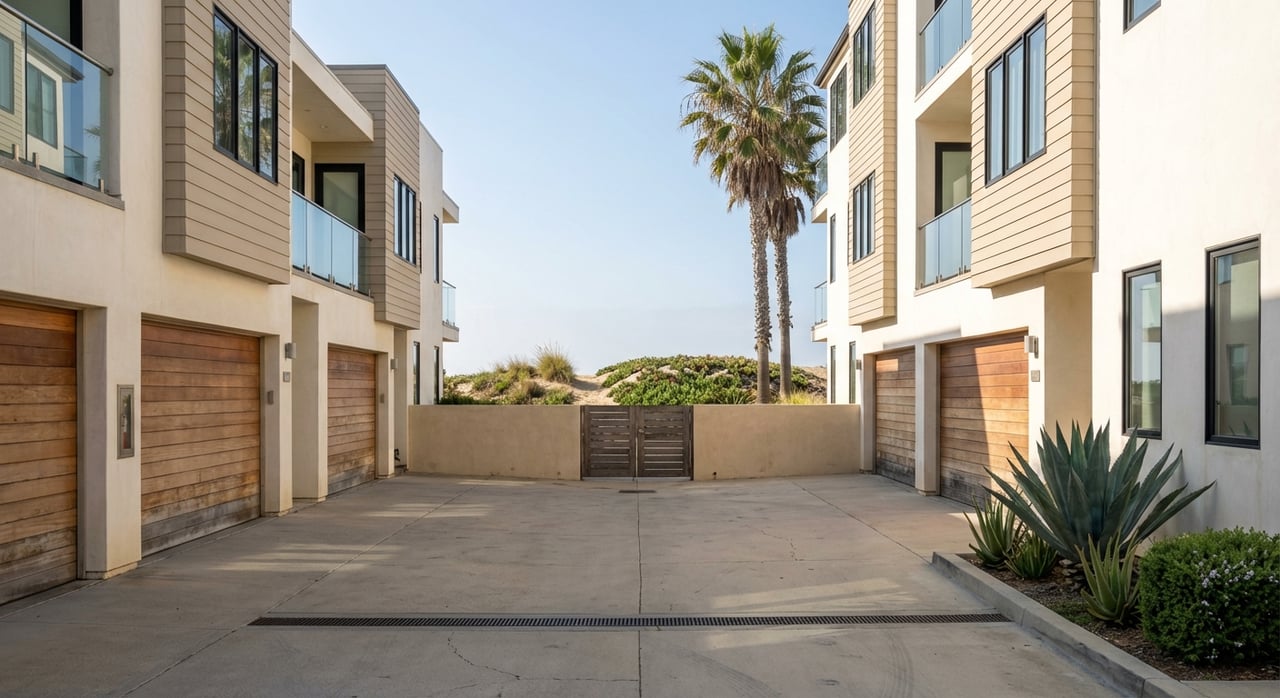
Its layout also tells a story. The original design used walk streets called Courts, with car access through Lanes, and later homes were reoriented to the lanes. Today, that history still shows up in how people move through the neighborhood and why access, parking, and circulation matter so much.
Why The Lanes Shape Daily Life
In many neighborhoods, parking is a convenience issue. In Pierpont and The Lanes, it is more central than that because the physical layout directly affects how you arrive home, unload groceries, host guests, and manage beach-day traffic.
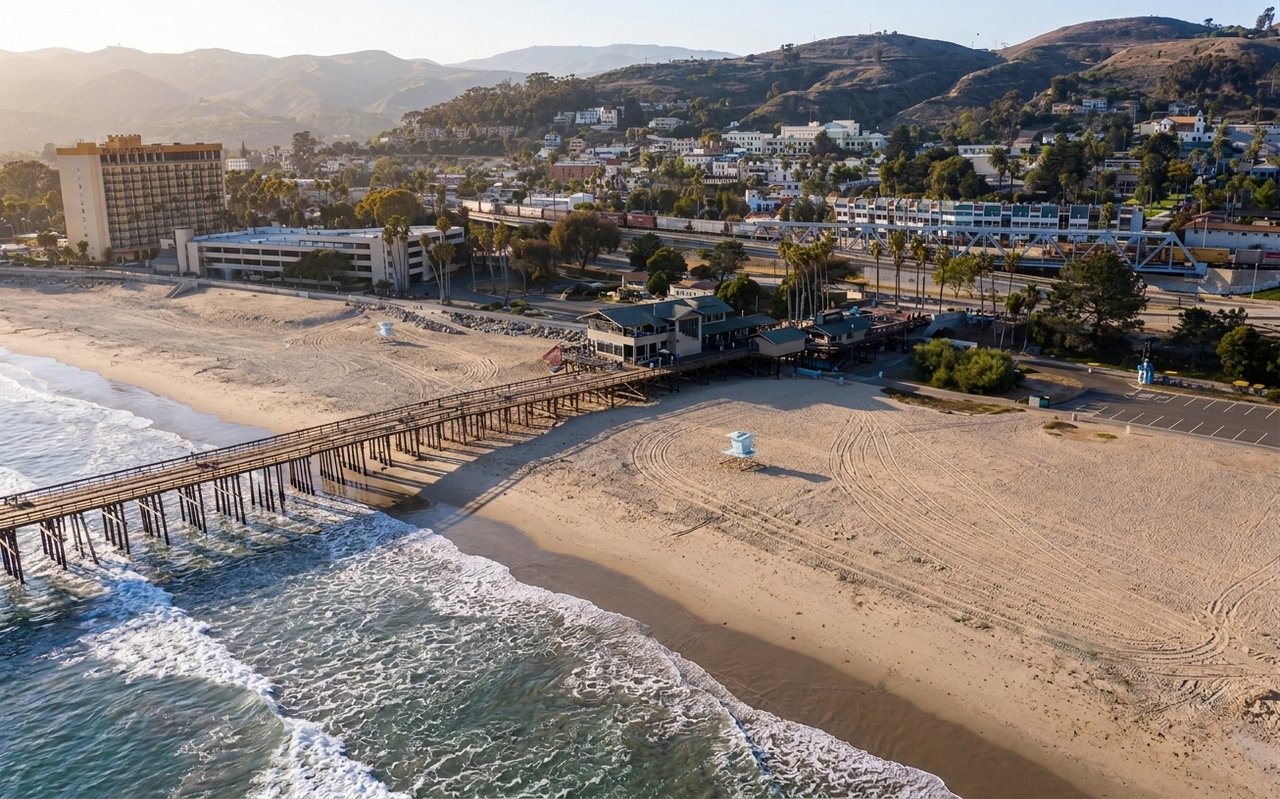
The City identifies public beach parking in several nearby locations, including the Harbor Boulevard structure near the pier, Surfer’s Point Park, the Seaward Avenue lot, Paseo de Playa, Marina Park, and public streets in Ventura Keys and Pierpont. The Beach Parking Structure at 500 Harbor Boulevard serves as the primary public parking facility for the beach and Ventura Pier.
That public access is great for enjoying the coastline, but it also means buyers should think carefully about what happens at the property itself. A home with a true garage, carport, or workable driveway can feel very different from one that relies heavily on street parking.
Off-Street Parking Matters More Here
Ventura’s residential parking permits are limited to certain districts, such as Downtown, selected school-area neighborhoods, and medical areas. Based on the City’s parking structure and permit map, beach-close homes in Pierpont do not get the same kind of broad residential parking cushion some buyers may expect elsewhere.
That makes off-street parking more than a nice bonus. It can be one of the most important quality-of-life features in the purchase.
If you are looking at a home in Pierpont or The Lanes, pay attention to:
- The actual number of usable off-street spaces
- How easy it is to enter and exit the garage or driveway
- Whether turning around is simple or awkward
- Whether parked cars block the lane or sidewalk
- How guests will realistically park during busy beach periods
Short-Term Rental Rules Add Another Layer
If you are considering a property partly for rental use, parking becomes even more important. Ventura’s updated short-term vacation rental ordinance limits each owner to a maximum of two permits, with only one allowed in the Pierpont area.
Eligible properties must also meet minimum parking requirements. The City says parking must be free, unobstructed, continuously available, and located in a garage, driveway, carport, or another off-street location.
For buyers, that means a home’s parking setup can affect more than convenience. It may shape what future use options are realistically available.
Summer Brings a Different Energy
Beach living is never static, and summer changes the feel of this area in a big way. Ventura Parks & Recreation describes summer as the city’s busiest and most anticipated season, with citywide activities running from June through August.
The 4th of July Street Fair, Music Under the Stars, and peak beach visitation all add to that seasonal energy. San Buenaventura State Beach also notes special day-use rates during peak season, high-demand holiday periods, and weekends.
For homeowners, this means the neighborhood can feel especially active when the weather warms up. If you love a lively coastal atmosphere, that can be part of the appeal. If you prefer a quieter rhythm, it is worth experiencing the area on both a weekday morning and a summer weekend before you buy.
The Pier, Promenade, and Marina Park Are Part of Daily Life
One of the best things about living in Pierpont is that the coastline is not a once-in-a-while destination. It is part of your normal backdrop.
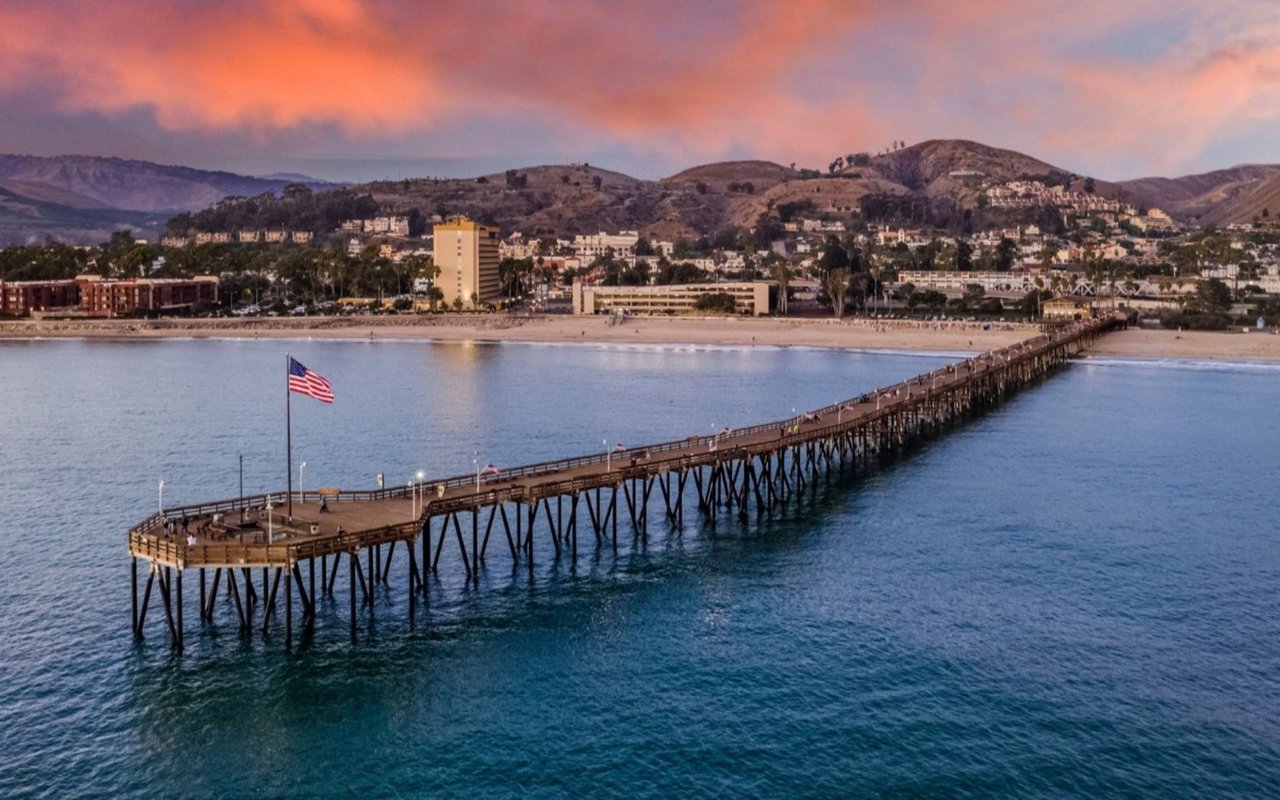
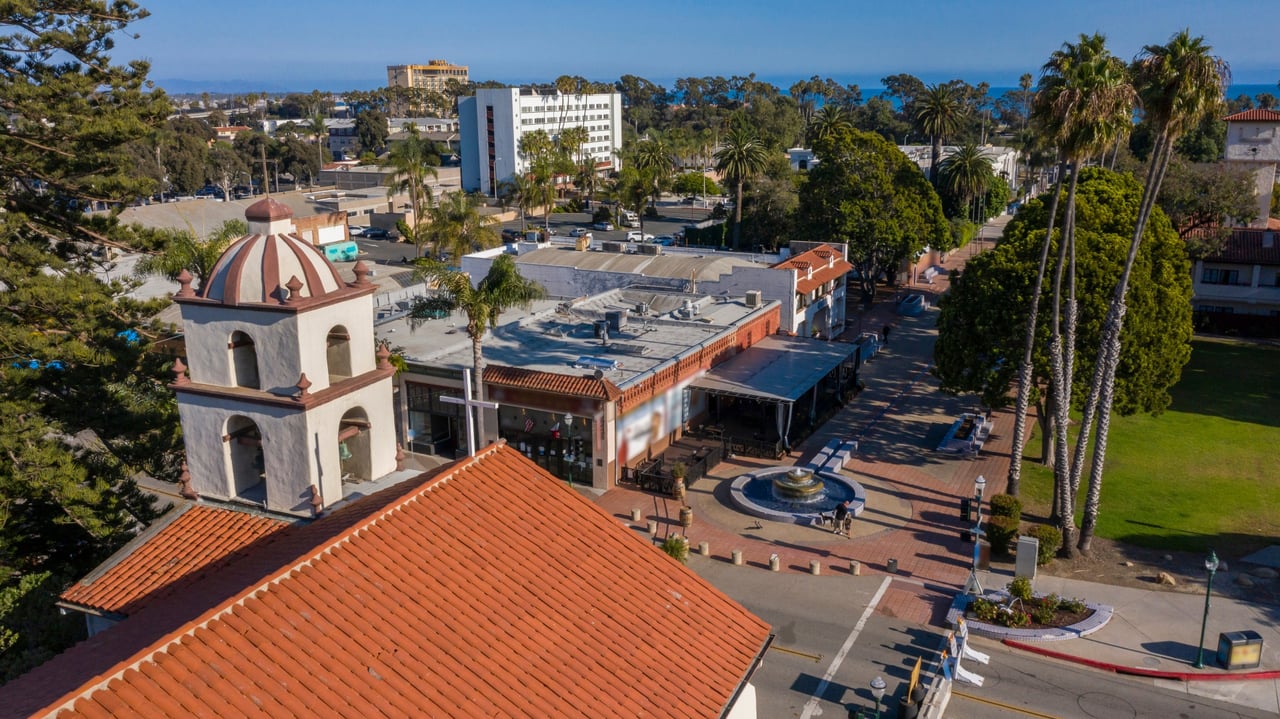
The City includes the stretch from Marina Park to Camden Lane within its beach area description, and Marina Park sits at the south end of Pierpont Boulevard. The Ventura Promenade and Ventura Pier are also closely tied to the neighborhood’s everyday outdoor life.
The City describes the pier as a place for fishing, picnics, sunset strolls, and coastline views. The Promenade connects the pier to Surfers Point and then west to a bike path that extends to Ojai, making this area feel connected, walkable, and very much shaped by public coastal access.
Coastal Weather Is Part of the Experience
Not every beach day starts with bright sun. NOAA notes that the persistent marine layer in Southern California is commonly called May Gray or June Gloom.
In practical terms, that means mornings along the coast can stay cool and cloudy, even when skies clear later in the day. If you are moving from inland areas, this can be one of the biggest surprises about beach living.
That marine influence is not a drawback for everyone. Many people love the cooler mornings and softer light, but it does shape how outdoor spaces feel and how you may use patios, decks, and open-air rooms.
Salt Air Changes Home Maintenance
The beach lifestyle is beautiful, but it asks more of a home. FEMA says salt spray from breaking waves and onshore winds can significantly accelerate corrosion of metal fasteners and connectors, especially near the shoreline.
FEMA also notes that wind-driven saltwater spray and moisture can cause corrosion and decay in building materials. The Department of Energy adds that strong operations and maintenance help reduce the impact of salt-mist corrosion.
For buyers, this means you should look beyond finishes and staging. A home can show beautifully and still have exterior systems or materials that need closer review because of the coastal environment.
What To Check During A Tour
When you tour homes in Pierpont or The Lanes, look carefully at:
- Railings and exposed fasteners
- Exterior lighting
- HVAC equipment
- Garage hardware and metal gates
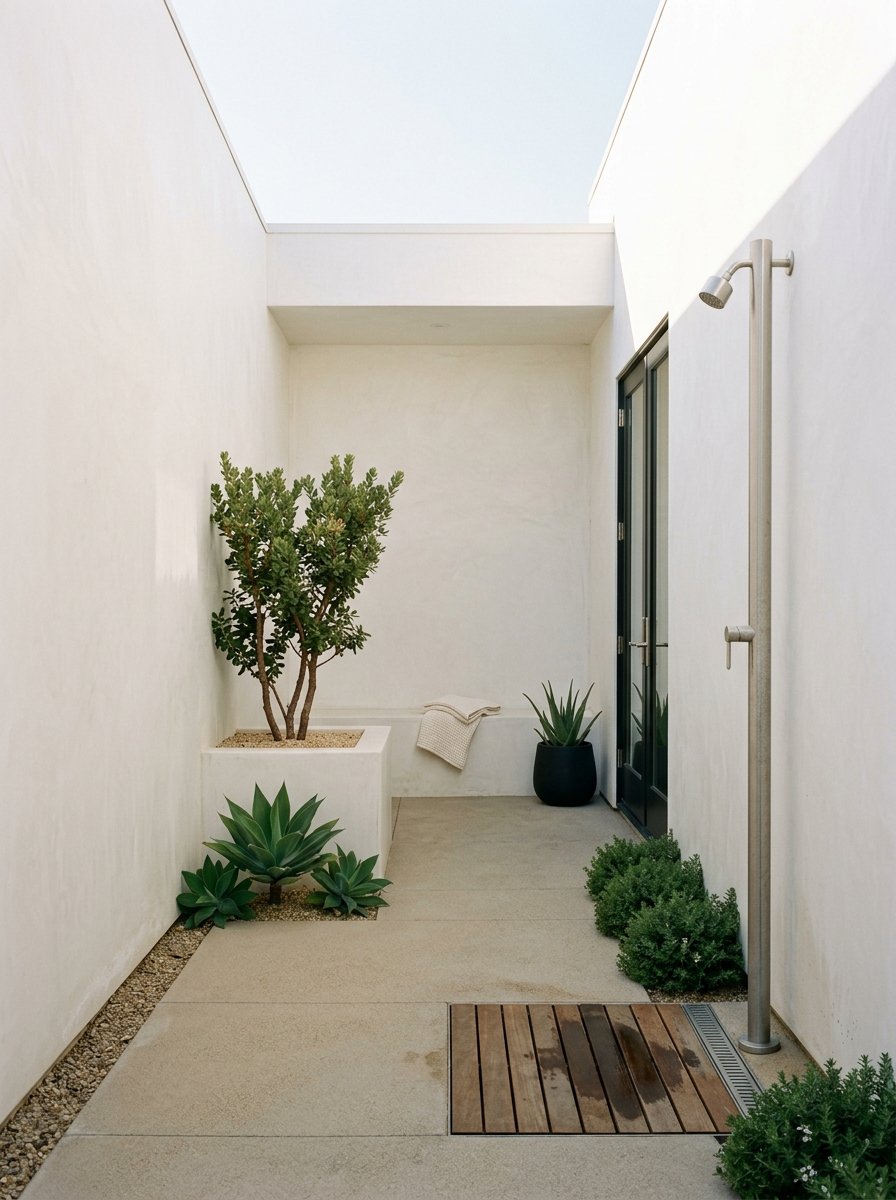
- Outdoor shower areas or hose-down stations
- Storage for sandy gear and wet items
It also helps to notice how protected the outdoor spaces feel. A patio that works well in wind, sand, and salt may be more useful than a larger outdoor area with little shelter.
Sand Is Not Just A Beach Issue
In Pierpont, sand management is part of the local reality. The City has documented twice-yearly nuisance-sand removal in Pierpont, servicing up to 27 lane ends and 15 private properties along the 40-foot right-of-way on Pierpont Beach.
The City’s Pierpont Beach Management Plan draft work plan also discusses dune restoration, living shoreline concepts, public access from lane ends, and recurring sand-maintenance planning. That tells you something important: sand movement here is not occasional trivia. It is an ongoing operational issue for the area.
When you visit a property, pay attention to where sand tends to collect after wind events, especially near lane ends and lower spots closer to the beach. This can affect upkeep, outdoor use, and how a property functions over time.
Flooding And Sea-Level Rise Belong On Your Checklist
If you are buying near the coast, flood and coastal hazard questions should be part of your due diligence from the start. Ventura’s Floodplain Management page includes a Pierpont Area Map and references FEMA map changes.
The City’s Local Coastal Program update says Ventura is preparing for sea level rise and other coastal hazards using current coastal science. The City’s climate vulnerability assessment says the Pierpont subarea is at risk to flooding and sea level rise, with projected sea level rise of 17.1 to 58.1 inches by 2100.
The same assessment notes that coastal erosion could reach the residential community along Ventura Beach, with storm-wave impacts extending toward Marina Park and Harbor areas. For buyers, these are not abstract planning topics. They are practical questions tied to insurance, future improvements, and long-term ownership costs.
Smart Questions To Ask Before You Buy
A thoughtful home search in Pierpont and The Lanes should include more than style and square footage. You also want to understand how the property performs in a true coastal setting.
Consider asking:
- Is the property in or near a flood-prone or coastal hazard area?
- What does that mean for insurance?
- Where does sand accumulate after windy periods?
- How many off-street parking spaces are truly usable?
- Are there signs of corrosion on exposed metal?
- Will planned exterior changes require local planning or coastal-zone review?
Ventura’s beach information also notes that Pierpont and Ventura Keys residents should check with Planning on construction-related questions. That makes early research especially valuable if you expect to remodel or make exterior changes.
What Sellers Should Know
If you are selling in Pierpont or The Lanes, buyers are often drawn in by the location first. They picture morning walks, sunset skies, and an easy connection to the beach, the promenade, and Marina Park.
But serious buyers also want clarity. Homes tend to show best when parking, storage, outdoor functionality, and maintenance history are easy to understand.
This is where strong preparation matters. Clear information about off-street parking, thoughtful presentation of outdoor spaces, and a realistic understanding of coastal upkeep can help your home stand out for the right reasons.
Beach Living Works Best With Clear Eyes
Pierpont and The Lanes offer one of Ventura’s most distinctive coastal lifestyles. You get immediate beach access, a neighborhood shaped by the shoreline, and daily proximity to some of the city’s most iconic outdoor spaces.
You also get lane logistics, seasonal activity, marine weather, salt-air maintenance, shifting sand, and important coastal due diligence. None of that takes away from the appeal. It simply means the best beach purchases happen when you understand both the romance and the reality.
If you are thinking about buying or selling in Pierpont or The Lanes, working with a local expert can help you weigh the details that matter most. Reach out to Juliana Lisheski to explore the Ventura life with practical guidance and local insight.
FAQs
What is unique about living in Pierpont Bay in Ventura?
- Pierpont Bay is Ventura’s only beachfront community, and its historic layout of courts and lanes still shapes how parking, access, and daily circulation work today.
Why is parking so important in Pierpont and The Lanes?
- Parking matters because the neighborhood layout makes off-street access especially valuable, and nearby public beach activity can add pressure during busy periods.
What should buyers check when touring a beach home in Pierpont?
- Buyers should check usable off-street parking, exposed metal for corrosion, areas where sand collects, and whether the property may be affected by flood or coastal hazard conditions.
How does summer affect life in Pierpont, Ventura?
- Summer brings more activity to the area because Ventura’s beach season, special events, holidays, and visitor traffic make the neighborhood feel busier and more energetic.
Are short-term rentals allowed in the Pierpont area?
- Ventura allows short-term vacation rental permits with limits, including only one permit allowed in the Pierpont area per owner, and eligible properties must meet off-street parking requirements.
Why do flood and sea-level rise matter for Pierpont buyers?
- The City identifies the Pierpont subarea as at risk for flooding and sea-level rise, so buyers should review hazard maps, insurance implications, and future improvement considerations during due diligence.