If waking up to ocean air and sandy morning walks is your idea of home, Pierpont and its pocket of streets known locally as The Lanes deserve a close look. You want a place that fits your lifestyle as much as your budget, with easy access to the beach, dining, and everyday essentials. In this guide, you’ll learn how these Ventura beach neighborhoods live day to day, what types of homes you can find, what to expect at different price tiers, and the key due diligence items for coastal property. Let’s dive in.
Pierpont and The Lanes at a glance
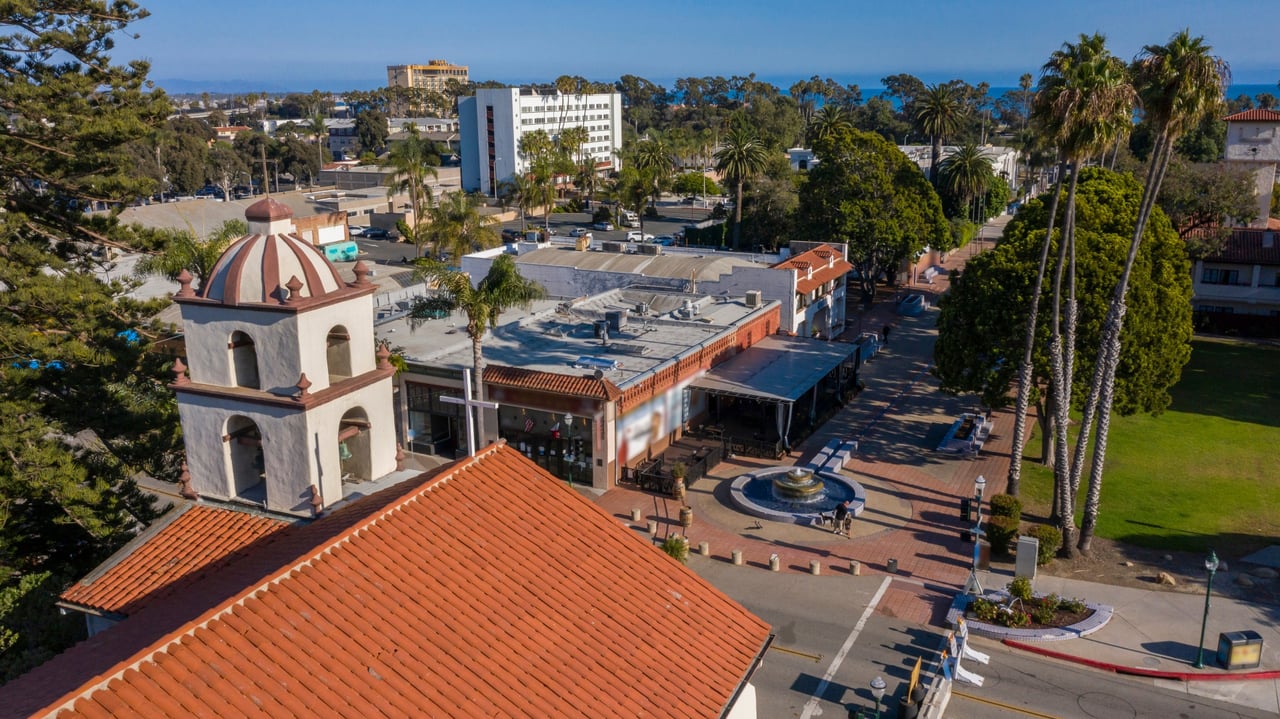
Pierpont stretches along Ventura’s coastline, west of the central harbor and downtown. Locals often use “The Lanes” to describe a pocket of smaller streets within or adjacent to the Pierpont beach zone. Exact boundaries vary by local usage and MLS definitions, so verify a specific address with city maps and listing details.
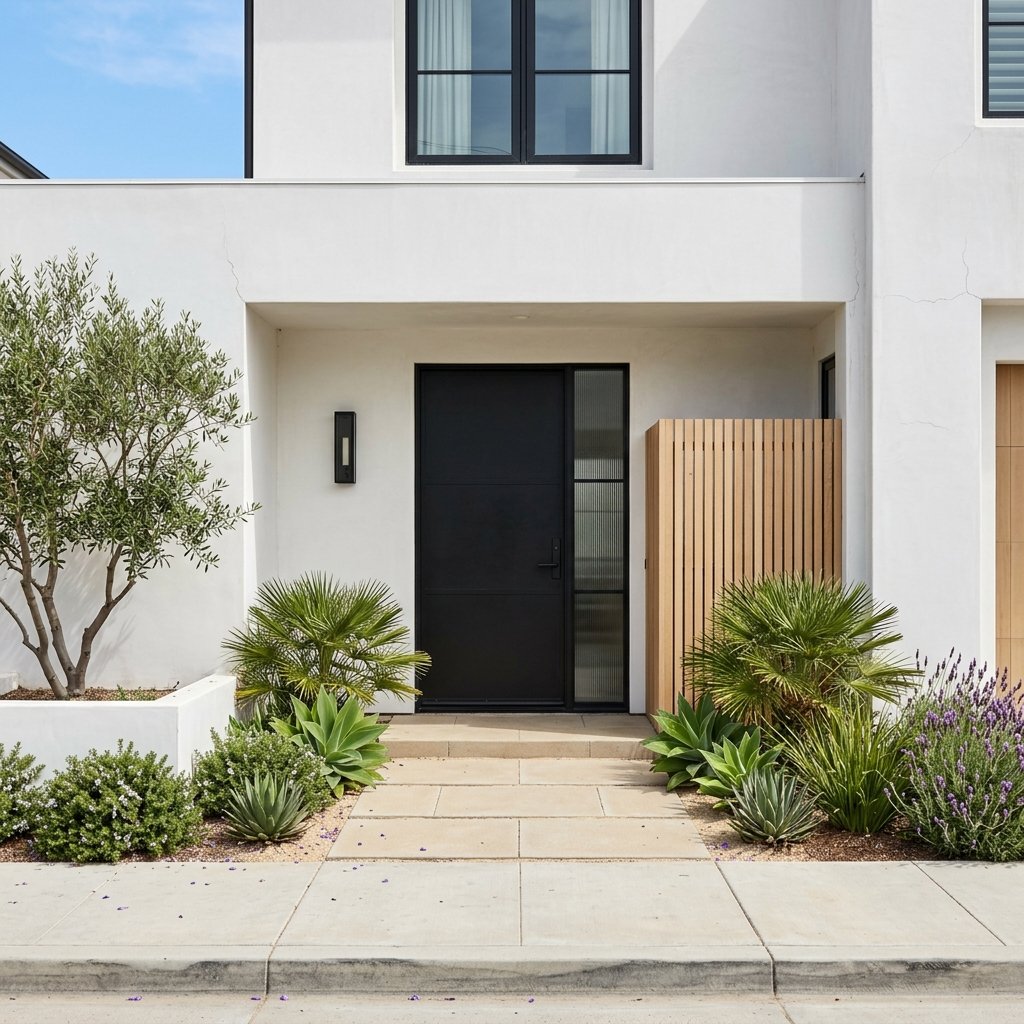
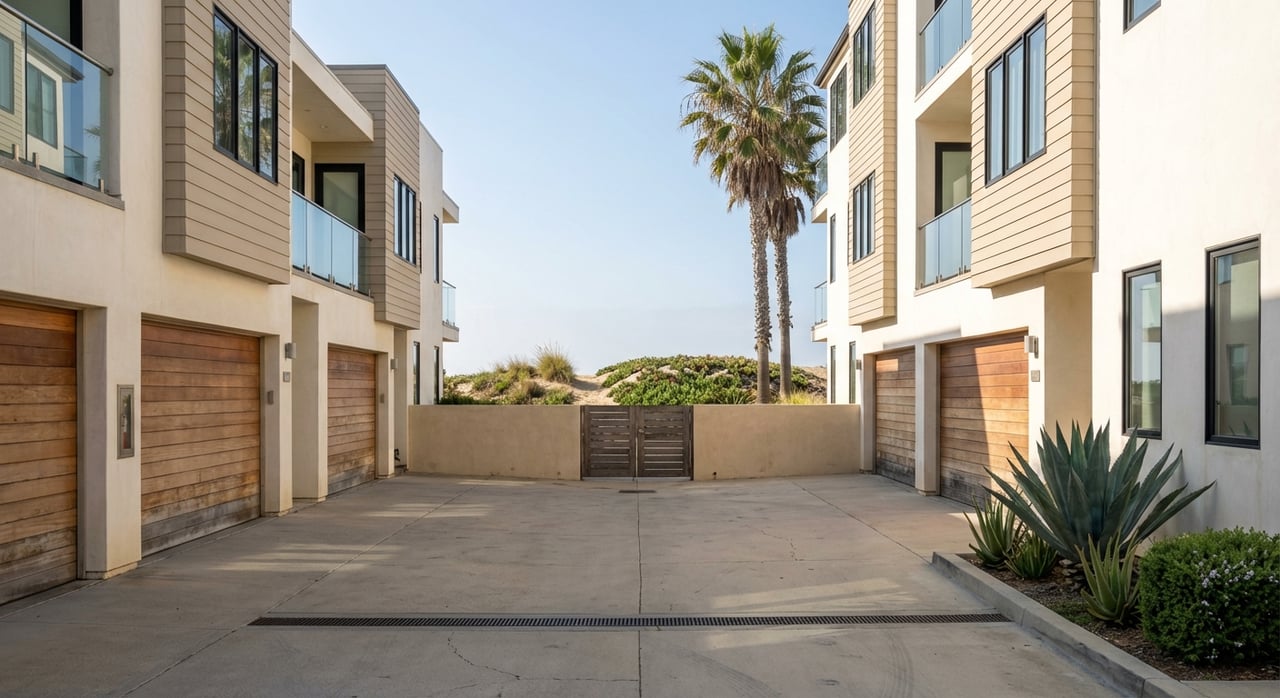
The area is primarily residential with beach cottages, duplexes, small condo buildings, and some inland single-family homes on more conventional lots. Because this is the coastal zone, development and major remodels come with extra oversight. For property-specific guidance, check the City of Ventura Planning Division and coastal permits process, and review policies with the City of Ventura and the California Coastal Commission.
Beach access and outdoor life
You are close to the sand throughout Pierpont, with short paths and public access points threaded between homes. Beach lifeguard coverage, parking rules, and restroom locations vary by season and location. For current details on beach facilities and public access, consult the Ventura County Parks and City of Ventura resources.
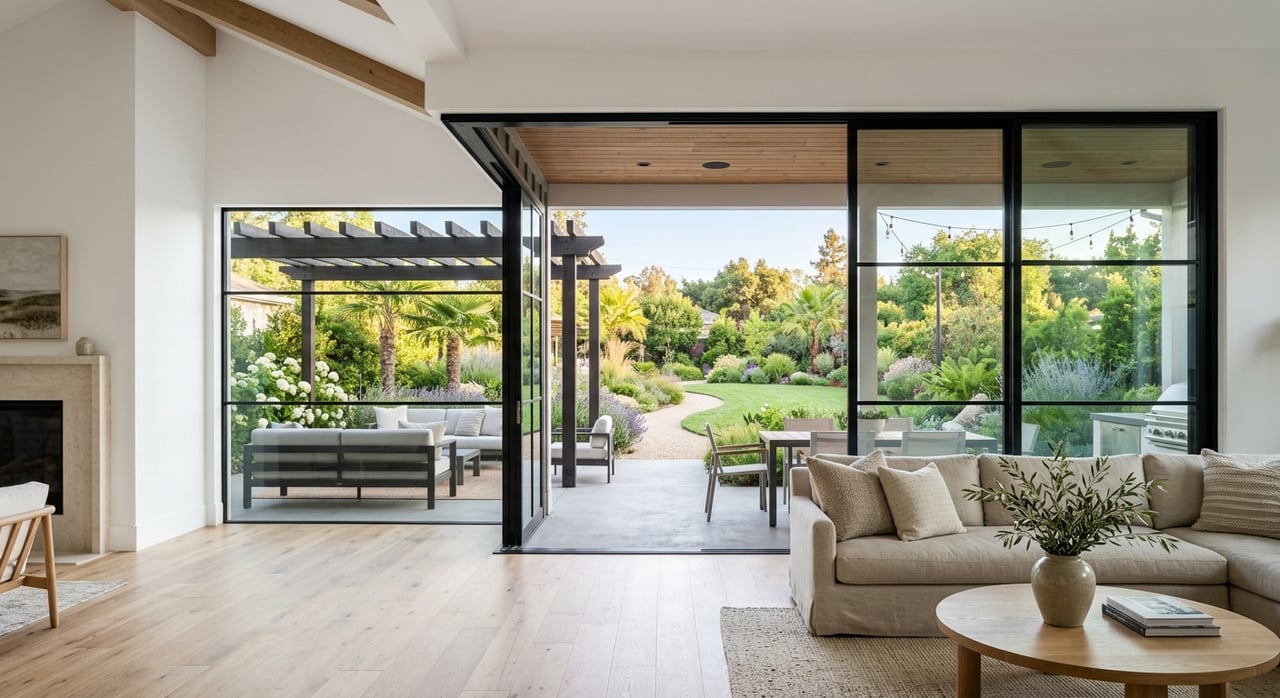
Daily life here leans into the outdoors. Residents swim, surf, paddle, fish from shore, jog, and unwind with sunset walks. When you want bigger adventures, Ventura Harbor is nearby for boating, kayak rentals, and island trips. Day cruises to Channel Islands National Park are operated by Island Packers, a long-standing local outfitter.
Bike and pedestrian networks connect parts of the coastline to downtown and regional trails. If car-free living is a priority, evaluate specific streets and their connections during a daytime and evening visit.
Everyday amenities and getting around
For dining, you’ll lean on a few reliable hubs. Smaller beach-adjacent strips offer casual spots, Ventura Harbor Village has harbor-front restaurants and services, and downtown Ventura’s Main Street and California Street deliver a wider mix for date nights and weekend brunch. Grocery runs, pharmacies, and fuel are a short drive from most blocks; the exact lineup depends on your street.
School assignments are handled by the local district. Always verify current boundaries for a given address through the Ventura Unified School District. Healthcare, urgent care, and hospital options are in the city of Ventura within a short drive.
Commuters use nearby corridors to reach US-101 and regional employment centers. Local buses connect the area to key nodes across the city; route maps and schedules are available from Gold Coast Transit District. Beach parking rules can change by season and block. Before hosting gatherings or planning daily routines, review posted signs and check city and county resources like the City of Ventura and Ventura County Parks.
Home styles you’ll find
Expect a range of coastal property types, often on compact lots close to the sand:
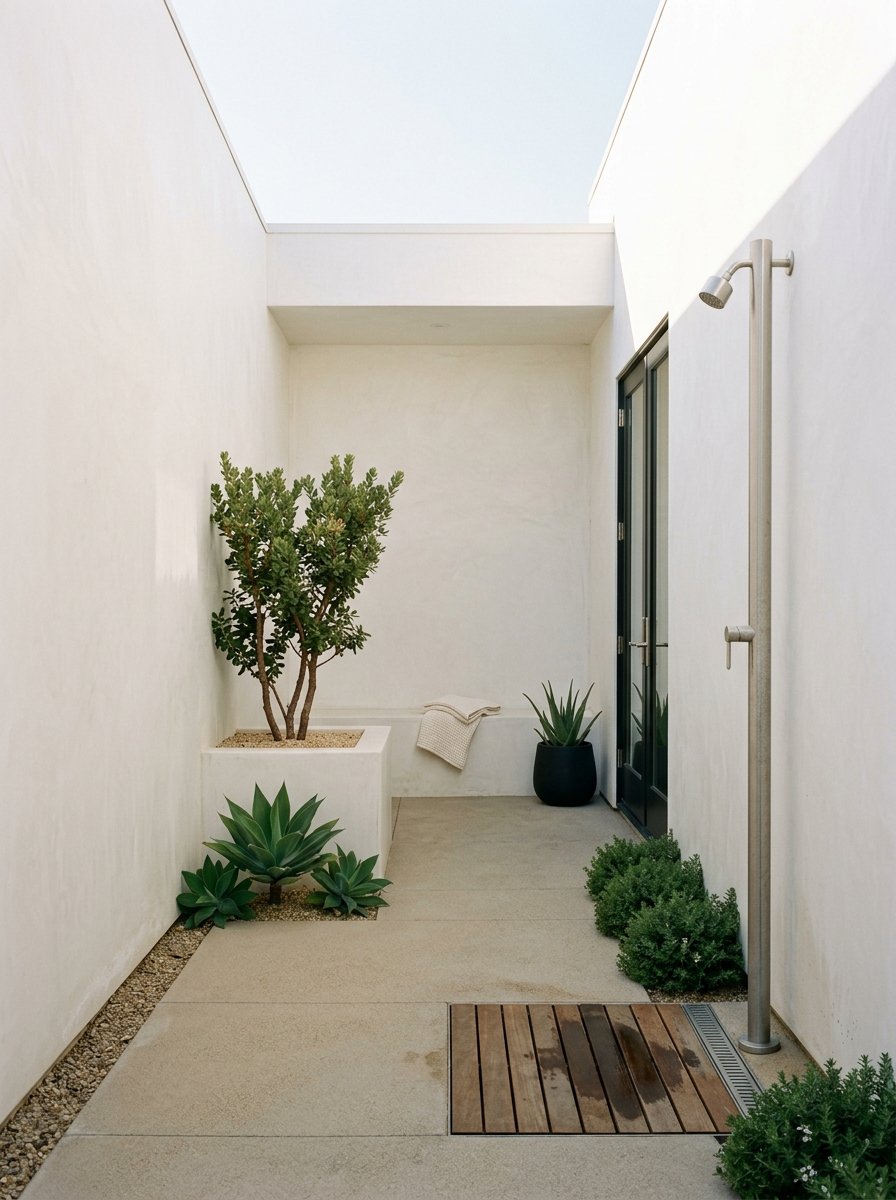
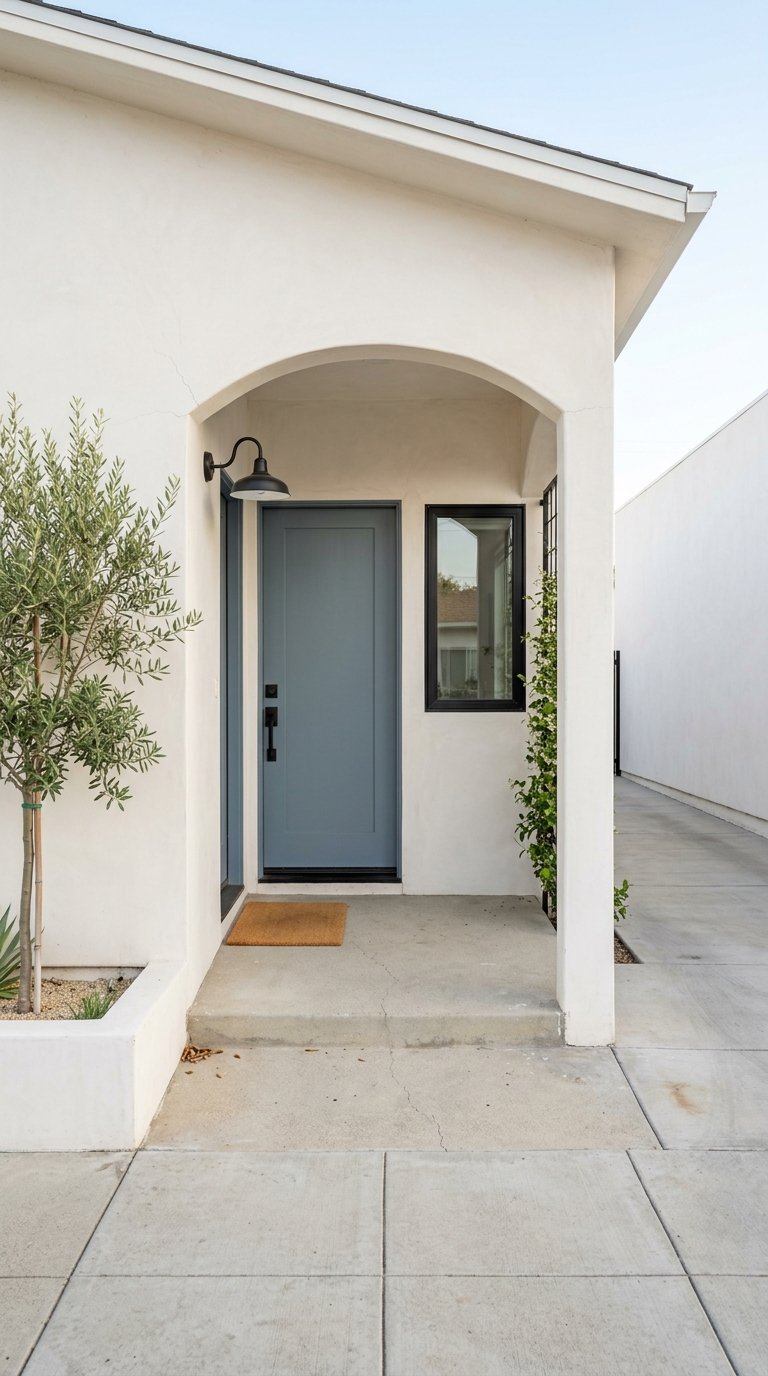
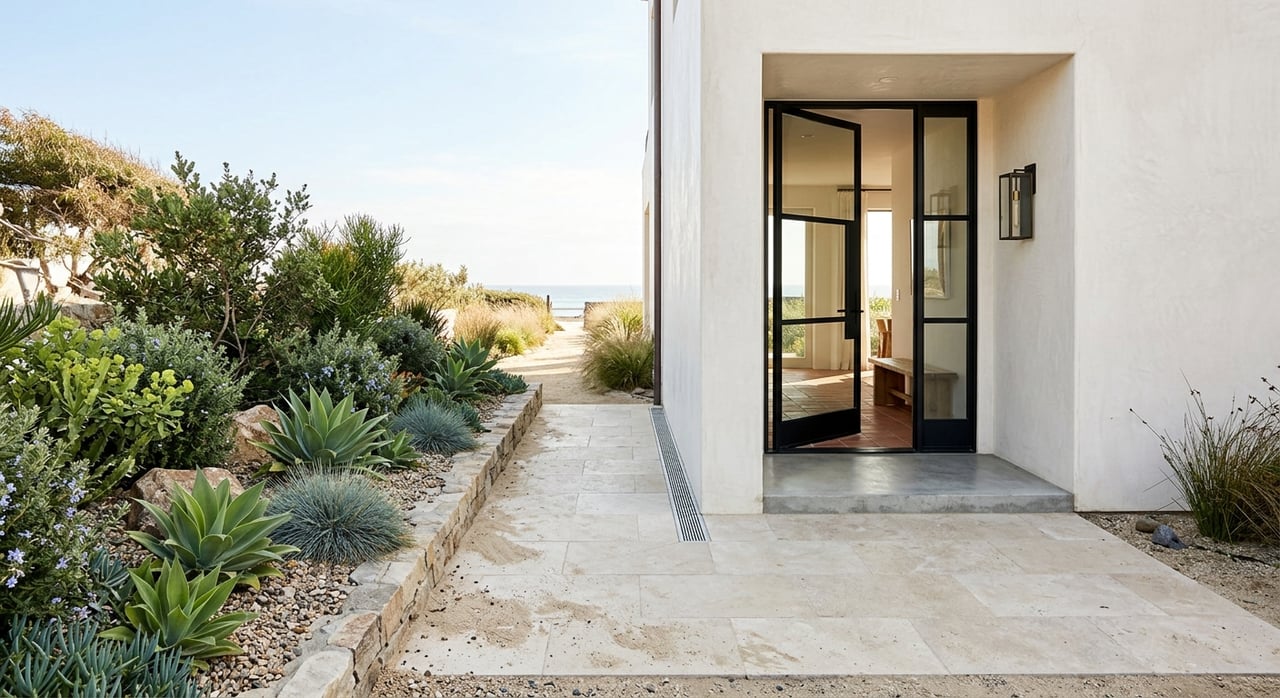
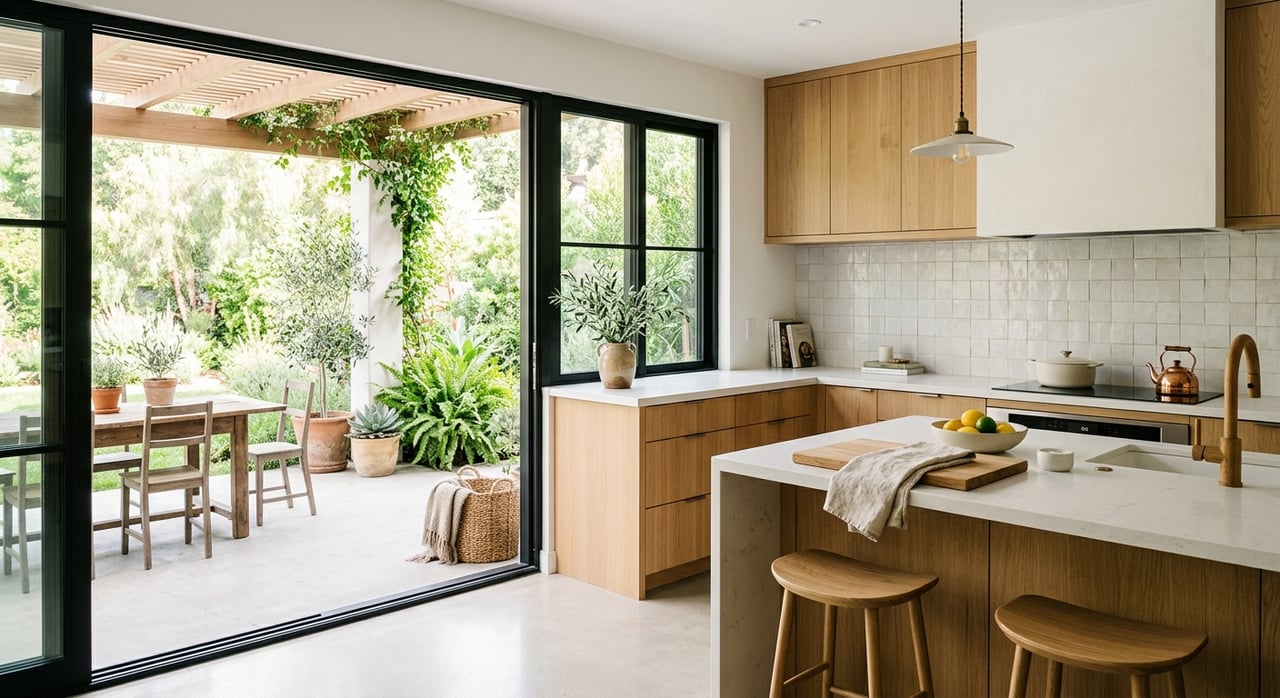
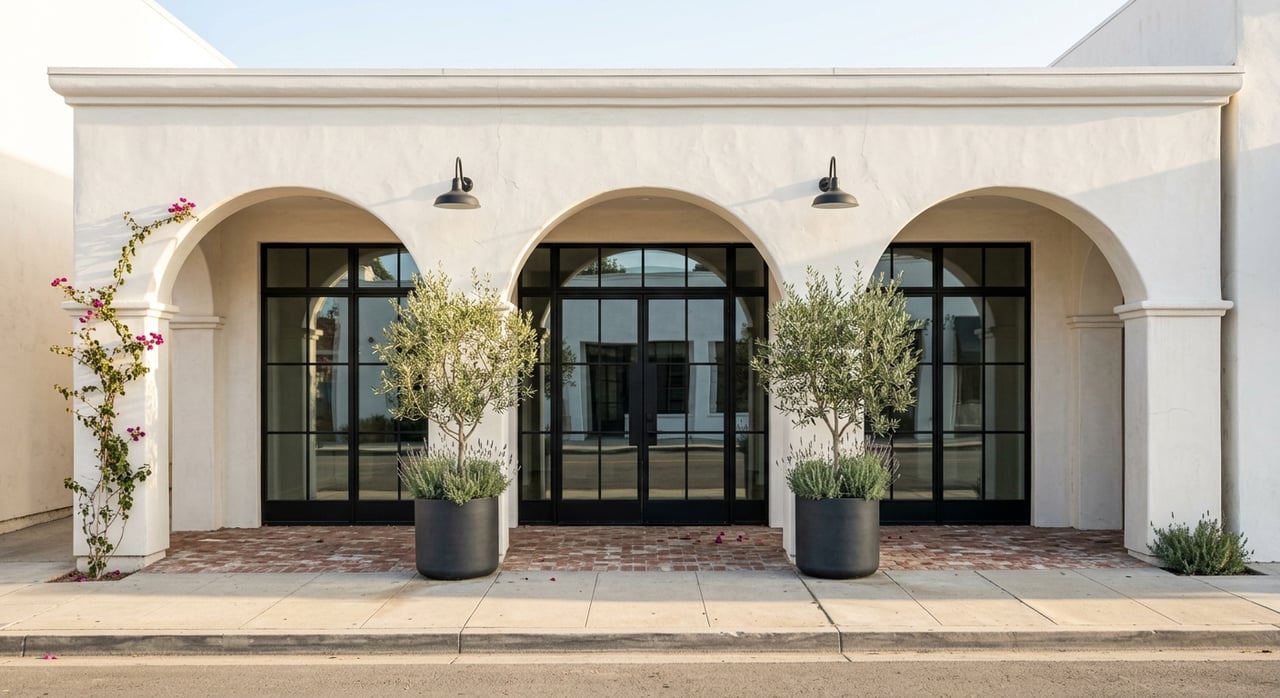
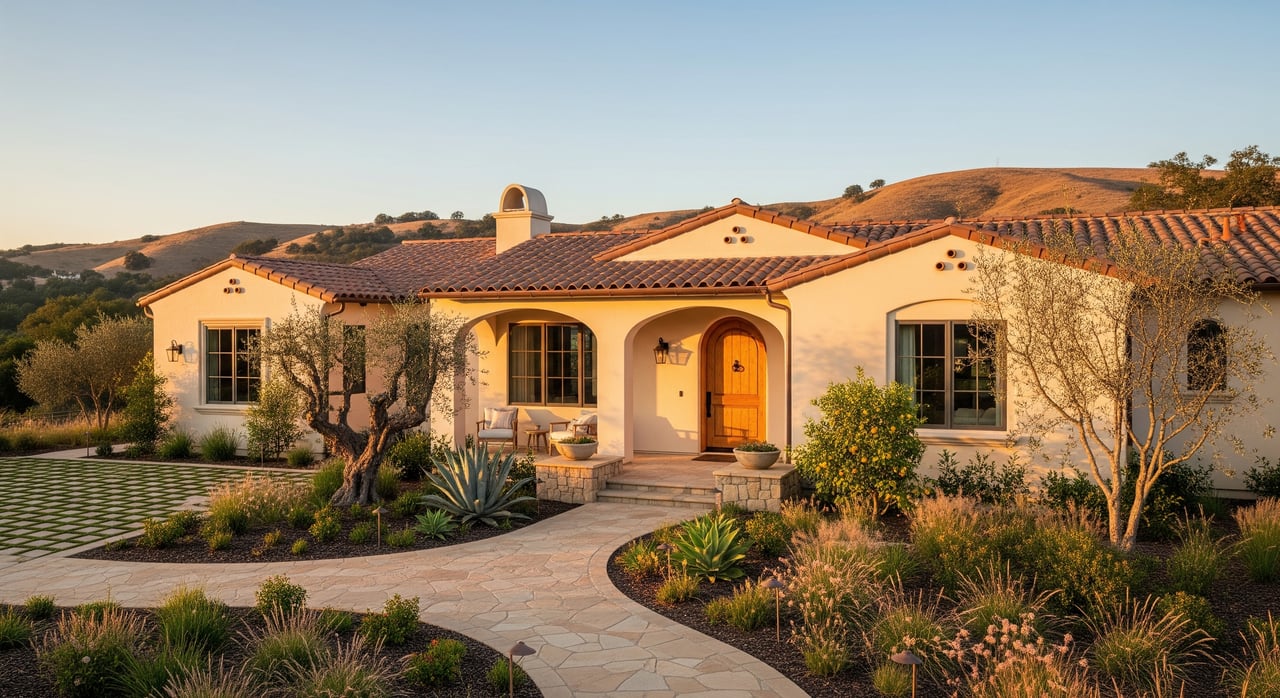
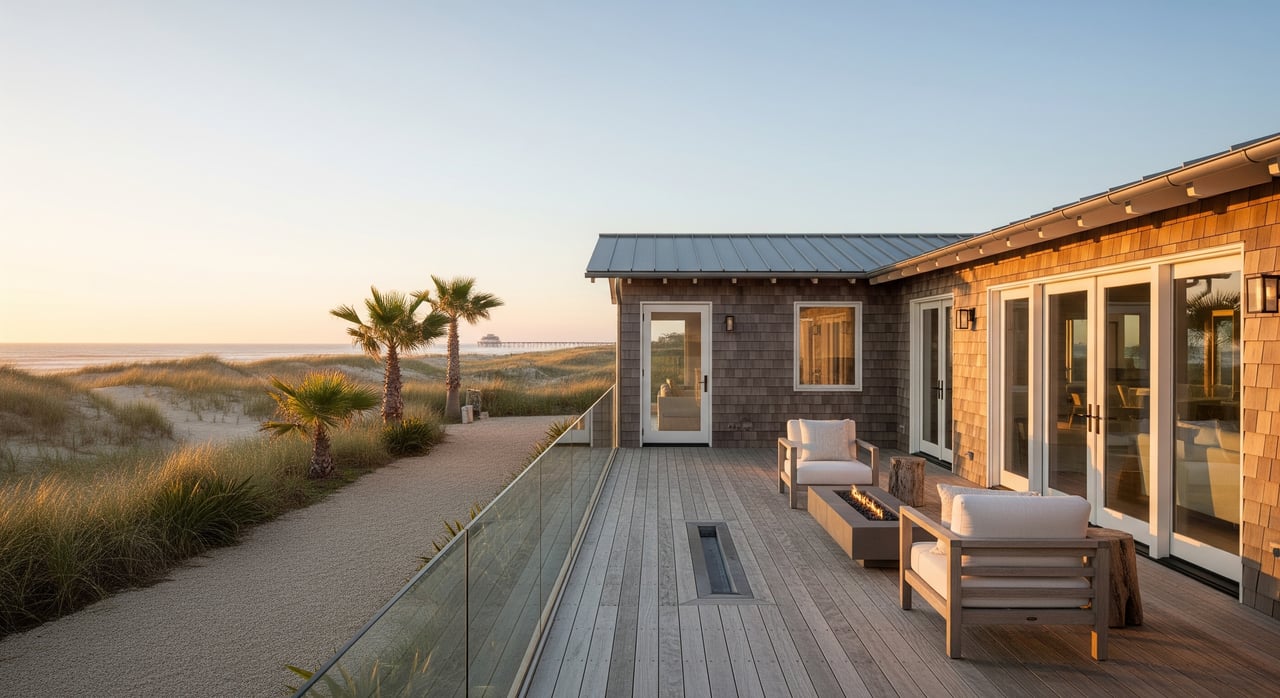
- Beachfront cottages and row houses. Smaller footprints, one or two levels, informal floor plans, and outdoor spaces designed for sandy feet and sunset viewing.
- Duplexes and triplexes. Common in the coastal blocks given historic lot patterns. These can serve as income properties or be reconfigured for multi-generational living.
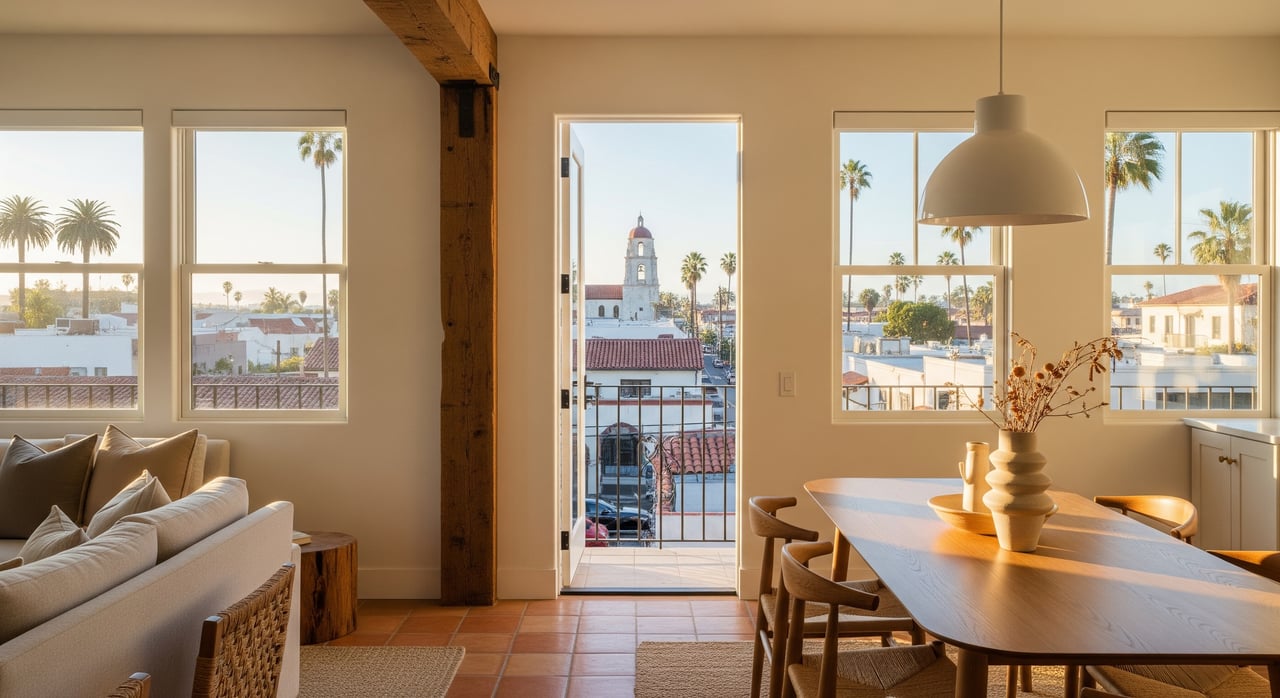
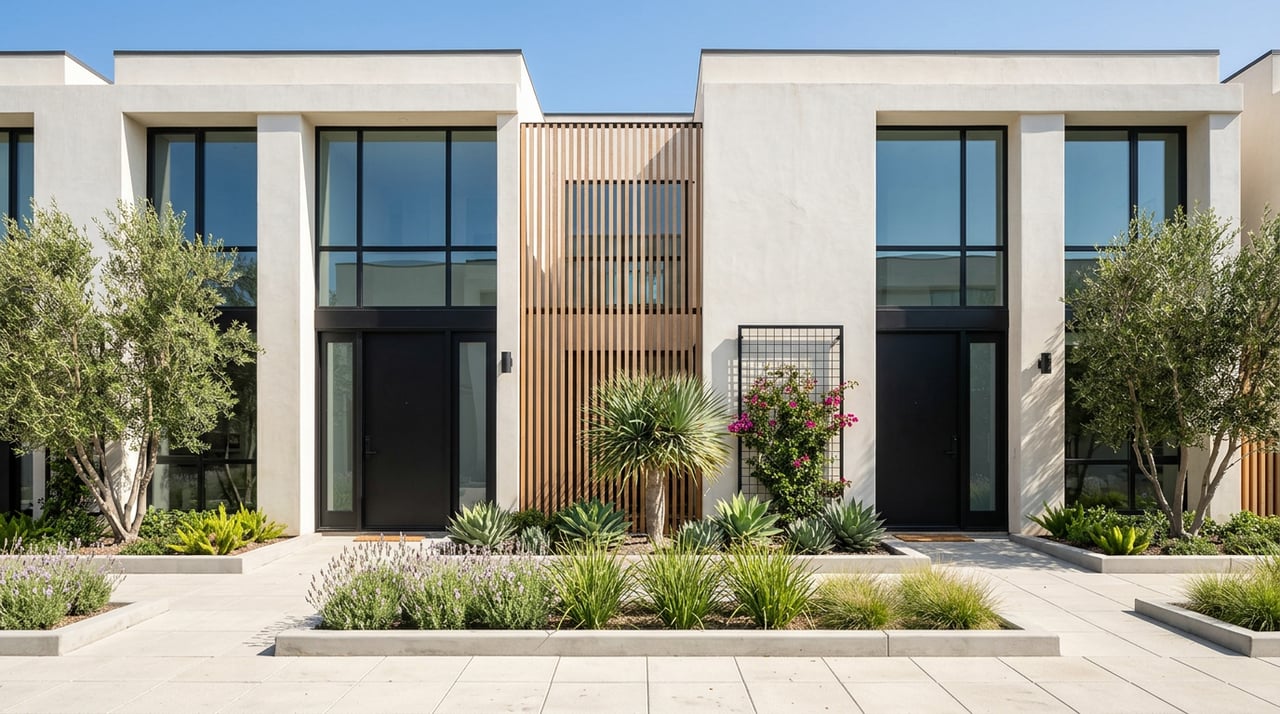
- Low-rise condos. Boutique buildings with shared parking. Floor plans range from studios and one-bedrooms to townhome-style units.
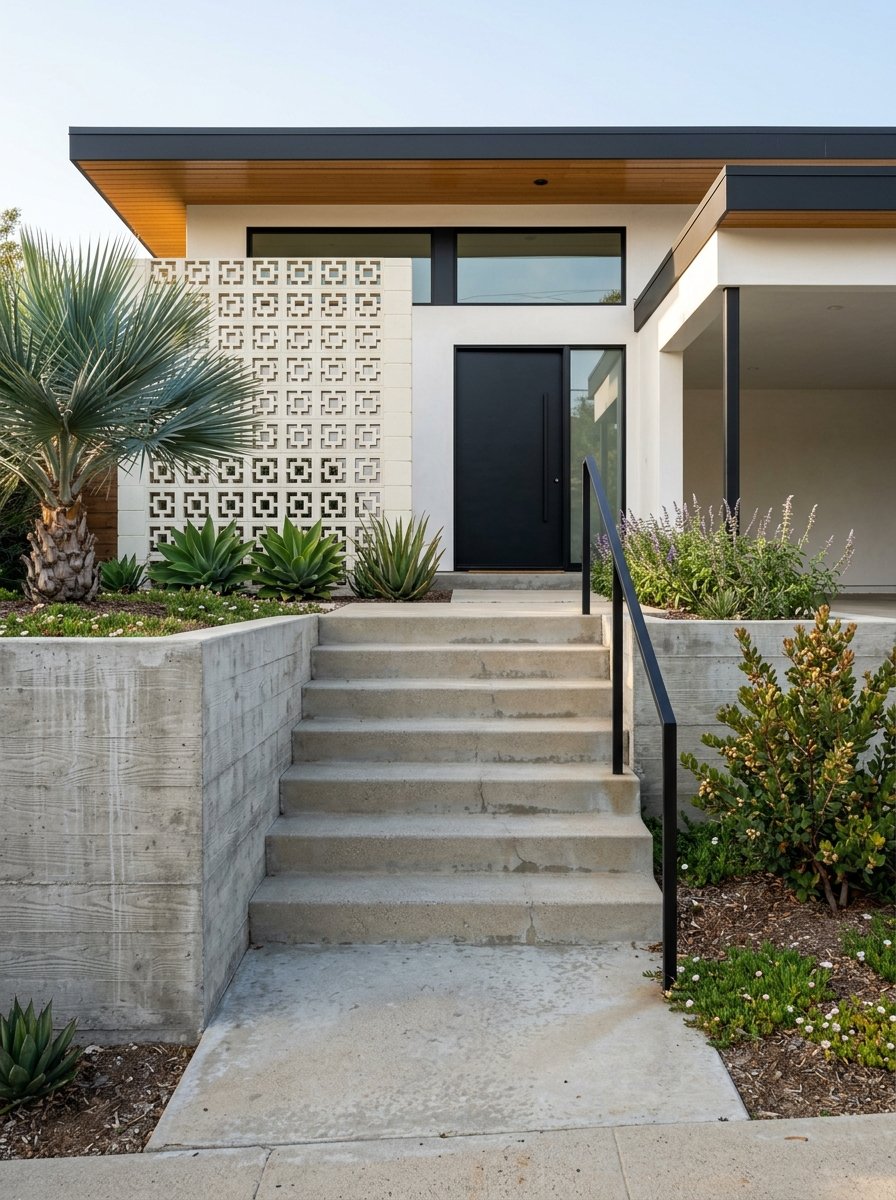
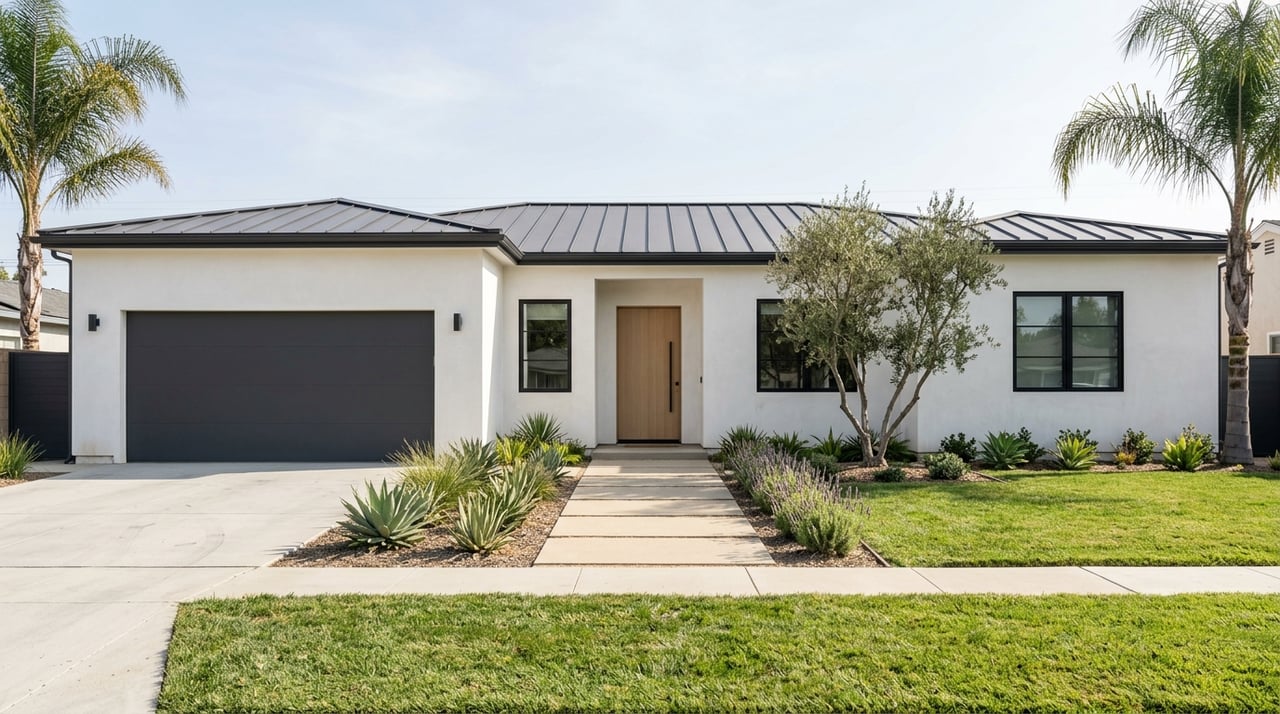
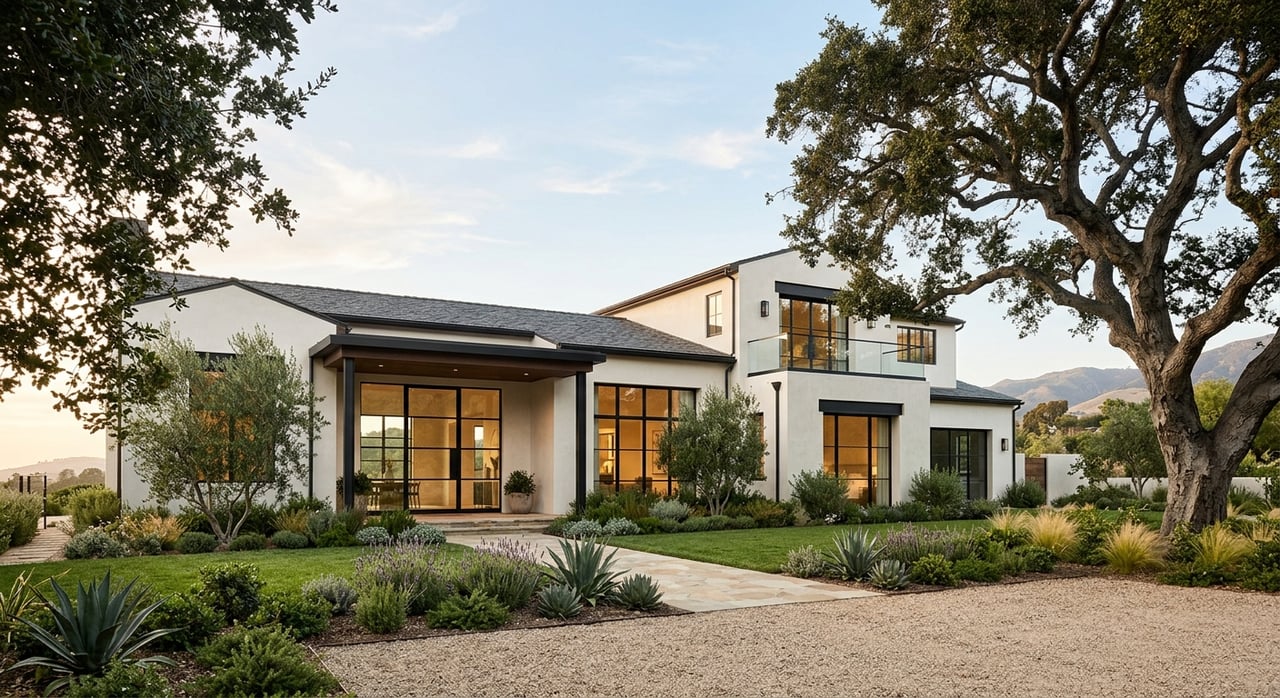
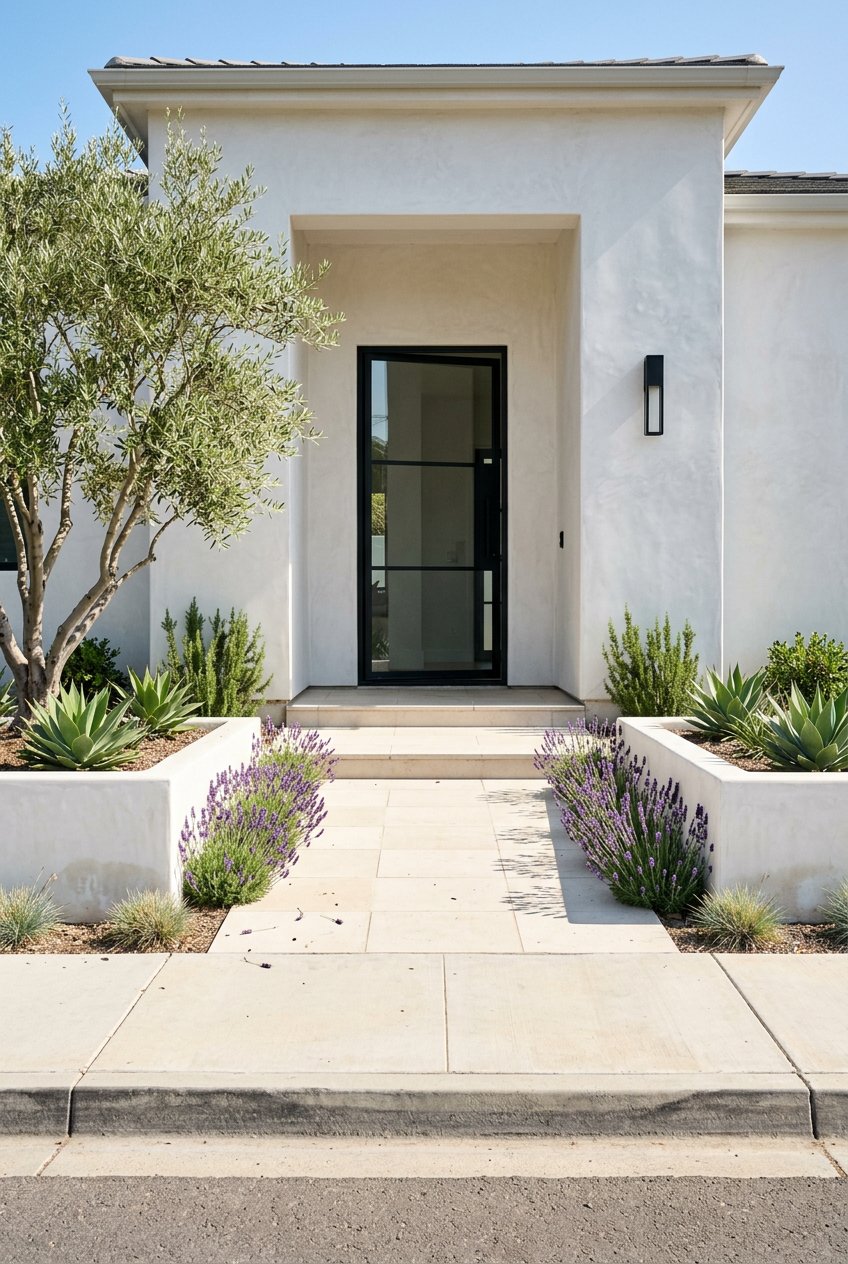
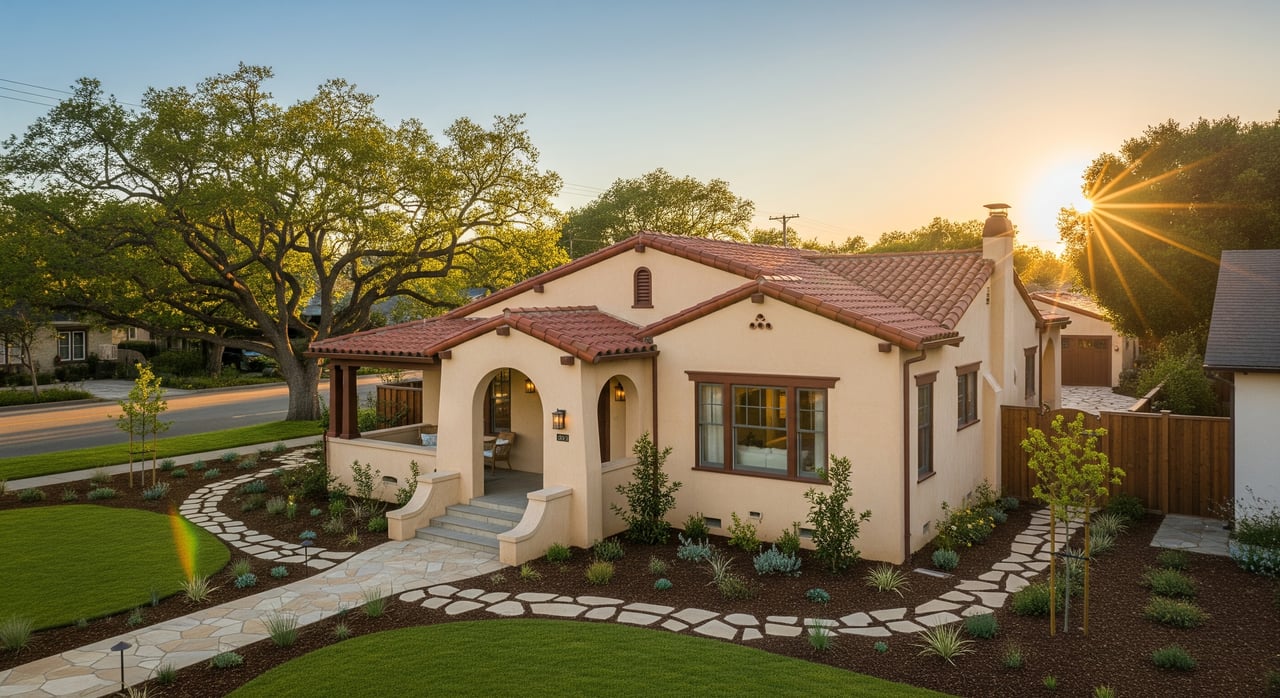
- Inland single-family homes. More traditional houses on streets set back from the beach. Many offer larger lots and more storage.
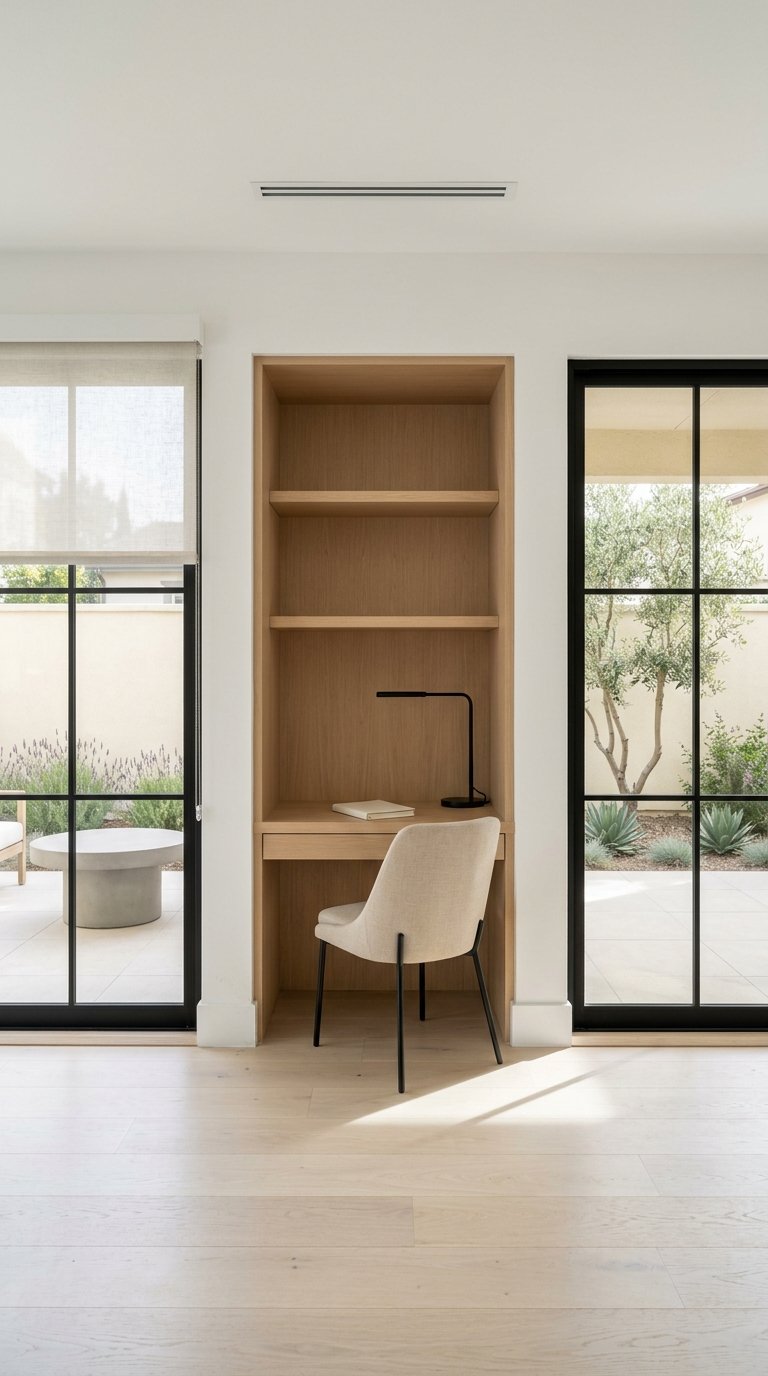
Across all categories, you’ll see a mix of fully remodeled homes and properties ready for a design refresh. Finishes vary widely because of the neighborhood’s age and coastal wear, so in-person evaluations matter.
What to expect at each budget
Coastal pricing changes with proximity to the sand, view corridors, and finish level. While exact numbers shift with the market, you can use these tiers to orient your search:
- Entry-level. Smaller condos or compact beach cottages with limited views or indirect beach access. Interior units in multi-family buildings also appear at this tier. Popular with first-time buyers and investors.
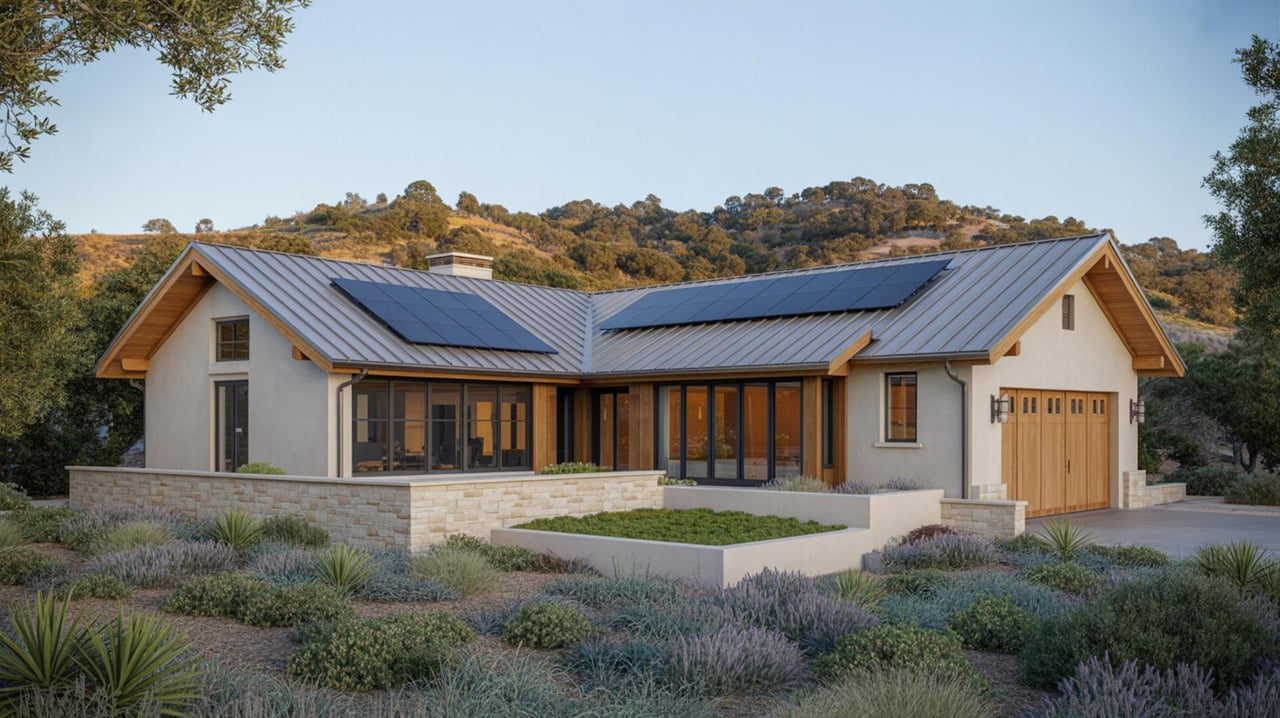
- Mid-tier. Updated single-family homes with partial ocean views or easier beach access, sometimes on narrow lots. You may also find duplexes remodeled for flexible living.
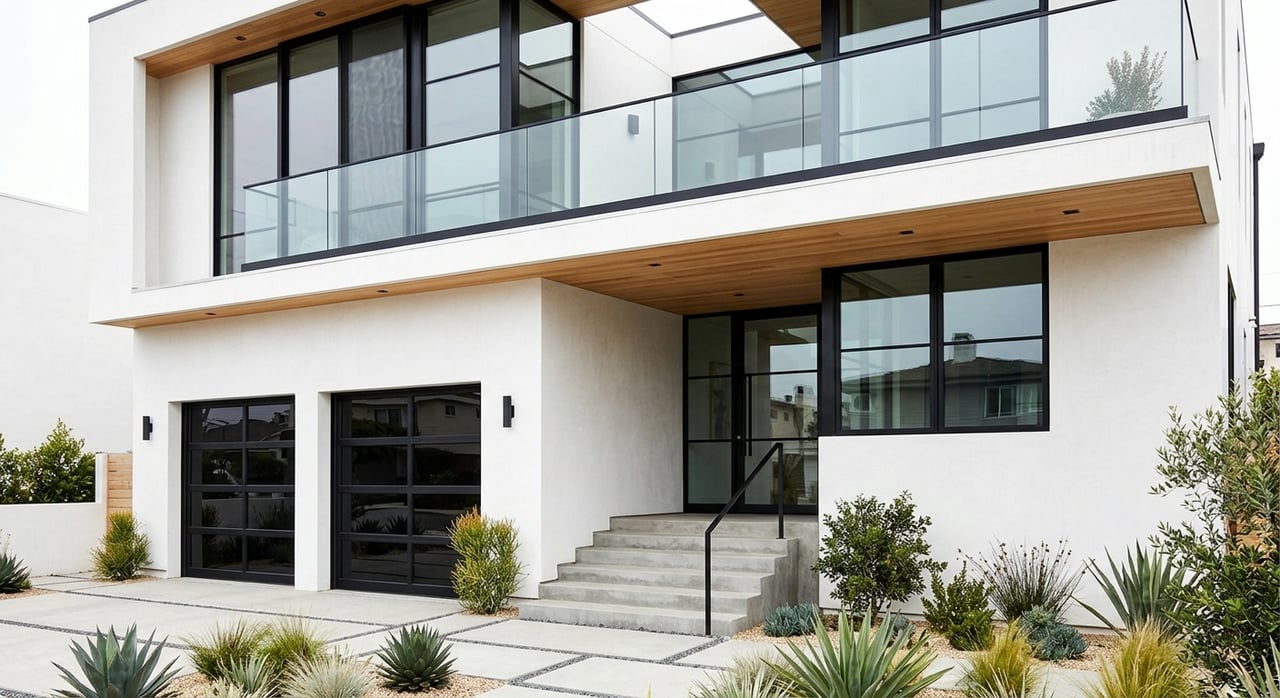
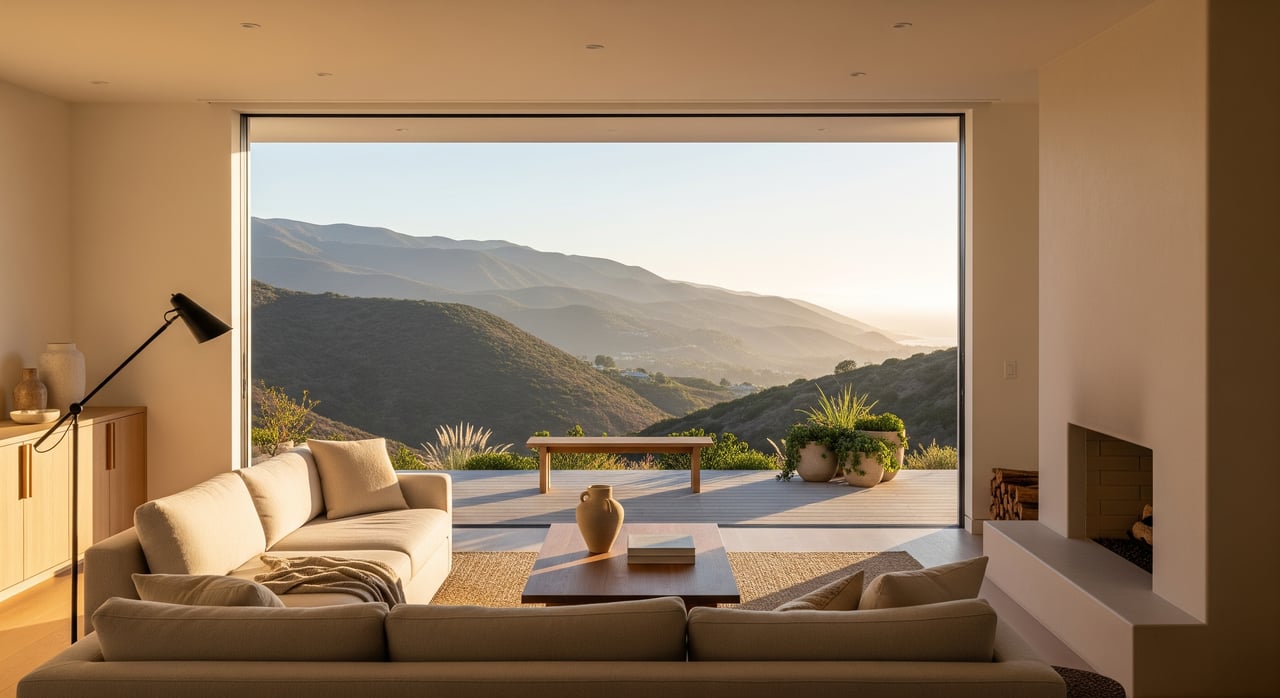
- High-end. Fully updated or expanded beachfront homes with panoramic views and serious outdoor entertaining space. These often include custom finishes and higher ongoing maintenance.
Buyers typically pay premiums for direct beach access, unobstructed ocean views, private parking, and usable outdoor space. The trade-off is usually interior square footage and lot size. Many residents prioritize the outdoor lifestyle and accept cozier interiors in return.
Ownership and permitting basics
Some buildings operate under small HOAs. Review CC&Rs, budgets, reserves, and rental rules early. If you are considering rental income, note that short-term rentals may be allowed on a limited basis, subject to City of Ventura rules and any HOA restrictions. Confirm the latest requirements with the City of Ventura and request permit histories for individual properties.
Because Pierpont sits in the State Coastal Zone, significant remodels or new work can trigger additional review. Plan ahead for coastal permits and inspections, and keep records of prior approvals to smooth future projects. The California Coastal Commission provides guidance on policies and local appeals.
Risks, insurance, and due diligence
Beach living brings unique safety and cost considerations. Some blocks sit in FEMA-designated flood zones, which can affect insurance requirements and pricing. Use the FEMA Flood Map Service Center to see if a specific address lies in a flood zone, and request elevation certificates when available. For long-term planning, explore local sea-level projections through the NOAA Sea Level Rise Viewer.
Coastal conditions can accelerate wear on materials. A thorough inspection should look for salt-related corrosion, weathered siding, and foundation movement. If you’re pursuing a remodel, ask for prior permits, certificates of occupancy, and any shoreline protection documentation.
Here is a practical due diligence checklist to bring to your search:
- Confirm recorded easements and public beach access paths near the property.
- Review flood zone status and obtain preliminary insurance quotes early.
- Verify coastal permits and permit history for all additions and major work.
- Order structural, roof, and foundation inspections that consider coastal exposure.
- If applicable, review HOA documents, financials, and rental policies.
- Ask about parking restrictions, trash service, and beach season considerations.
Who loves living here?
Pierpont and The Lanes appeal to people who want everyday beach access and a relaxed, residential vibe. You can grab a coffee, walk to the sand, and head to the harbor or downtown for dining and events. Whether you’re a surfer, an early-morning walker, or someone who loves sunset gatherings on the patio, the setting supports a low-key, outdoor-forward routine.
How to choose your perfect spot
Micro-location matters on the coast. As you compare streets:
- Walk to the sand. Test the path you will use daily and note public access nearby.
- Observe at different times. Mornings, weekends, and evenings can feel different.
- Evaluate parking. Street availability and guest options vary by block.
- Look at view corridors. Small shifts in orientation can mean big changes in light and ocean outlooks.
- Weigh the trade-offs. Decide how you prioritize view, privacy, yard space, and interior size.
Work with a local guide
Buying at the beach is as much about lifestyle fit as floor plans. You want an advisor who understands micro-locations, permitting, and the rhythms of coastal living. From on-the-ground previews to vendor coordination for inspections and insurance quotes, hands-on guidance keeps your decision clear and your timeline smooth.
Ready to explore Pierpont and The Lanes with a local perspective and a calm, detail-forward approach? Reach out to Juliana Lisheski to schedule a consult and start touring homes that match how you want to live.
FAQs
How close are Pierpont and The Lanes to Ventura Harbor Village?
- These neighborhoods sit near the harbor area, typically a short drive or bike ride, but exact travel time depends on the specific street and address.
What home types are common in Pierpont and The Lanes?
- You will find beach cottages, duplexes and triplexes, small condo buildings, and more traditional single-family homes on inland streets.
Do remodels in Pierpont require coastal permits?
- Many significant projects fall under coastal zone rules and can require permits from the City of Ventura and may be subject to Coastal Commission oversight; verify permit history for each property.
Are short-term rentals allowed in these neighborhoods?
- Some properties operate as short-term rentals, but you must follow City of Ventura regulations and any HOA rules; confirm current requirements before you buy.
What should I know about flood and insurance risk near the beach?
- Many beachfront or low-lying homes are in FEMA flood zones, which can raise costs and require flood insurance; secure quotes early and review elevation data when available.
How is public transit and everyday access without a car?
- Gold Coast Transit District connects Ventura neighborhoods by bus, and many daily needs are a short drive; evaluate specific routes and walkability by address during your visits.