Curious what it actually feels like to live steps from the surf and your morning coffee? If you love neighborhoods where you can walk to dinner, catch a sunset at the pier, and still get across town with ease, Downtown Ventura might be your pace. In this guide, you’ll see the daily rhythm, how people get around, where culture happens, and the practical details that help you decide if this coastal core fits your life. Let’s dive in.
Where Downtown Ventura sits
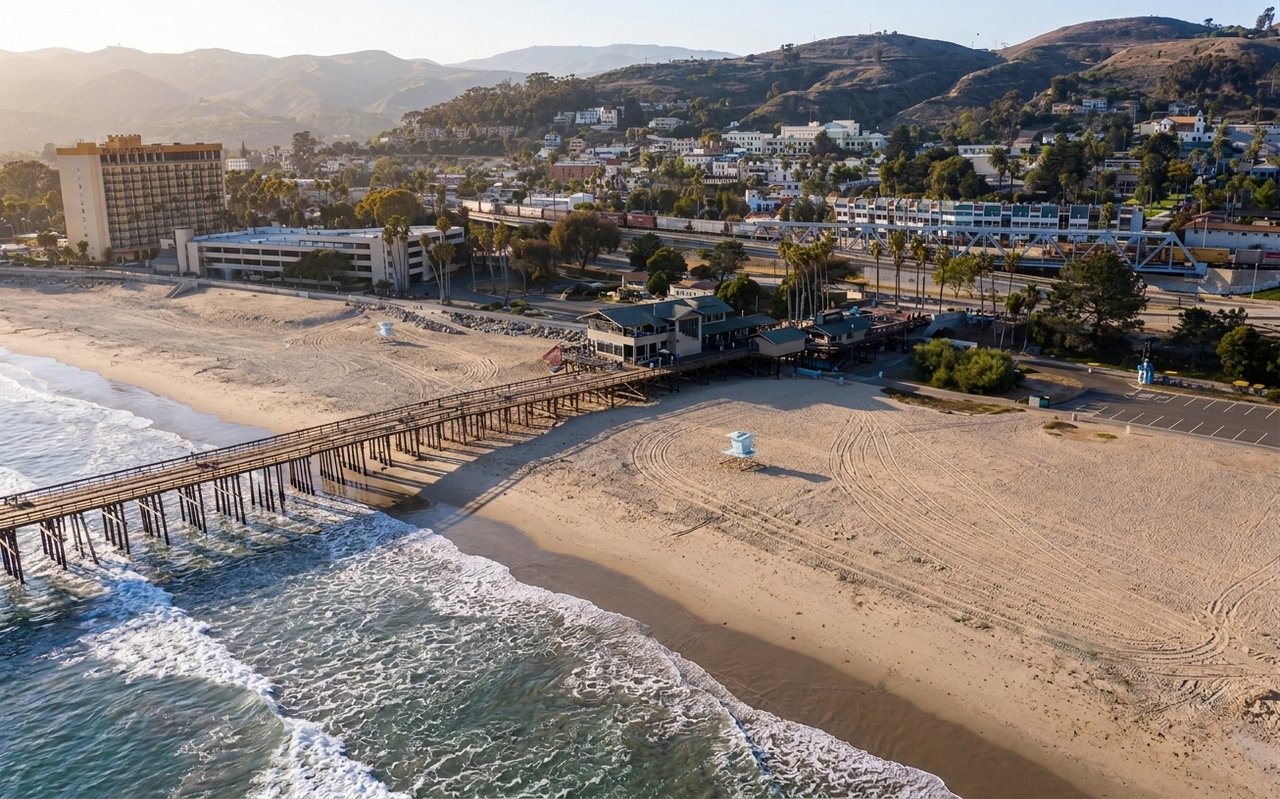
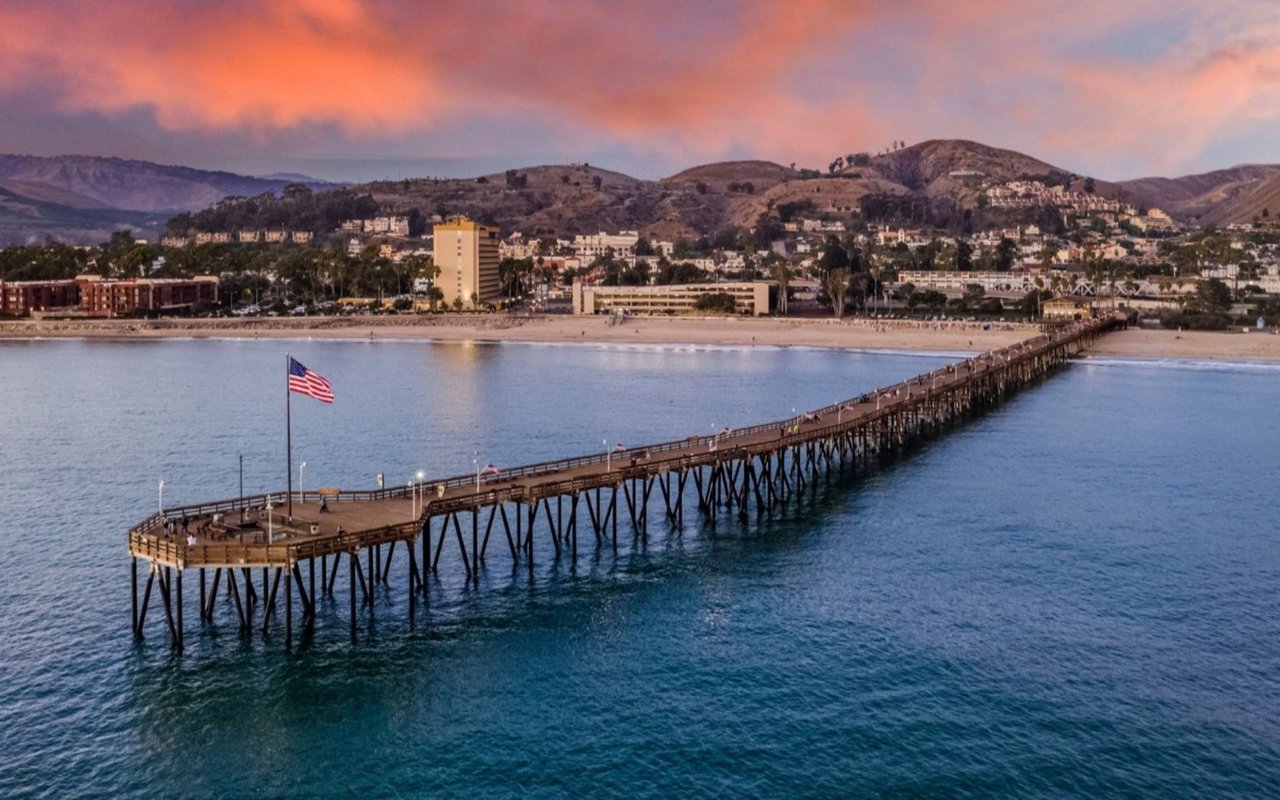
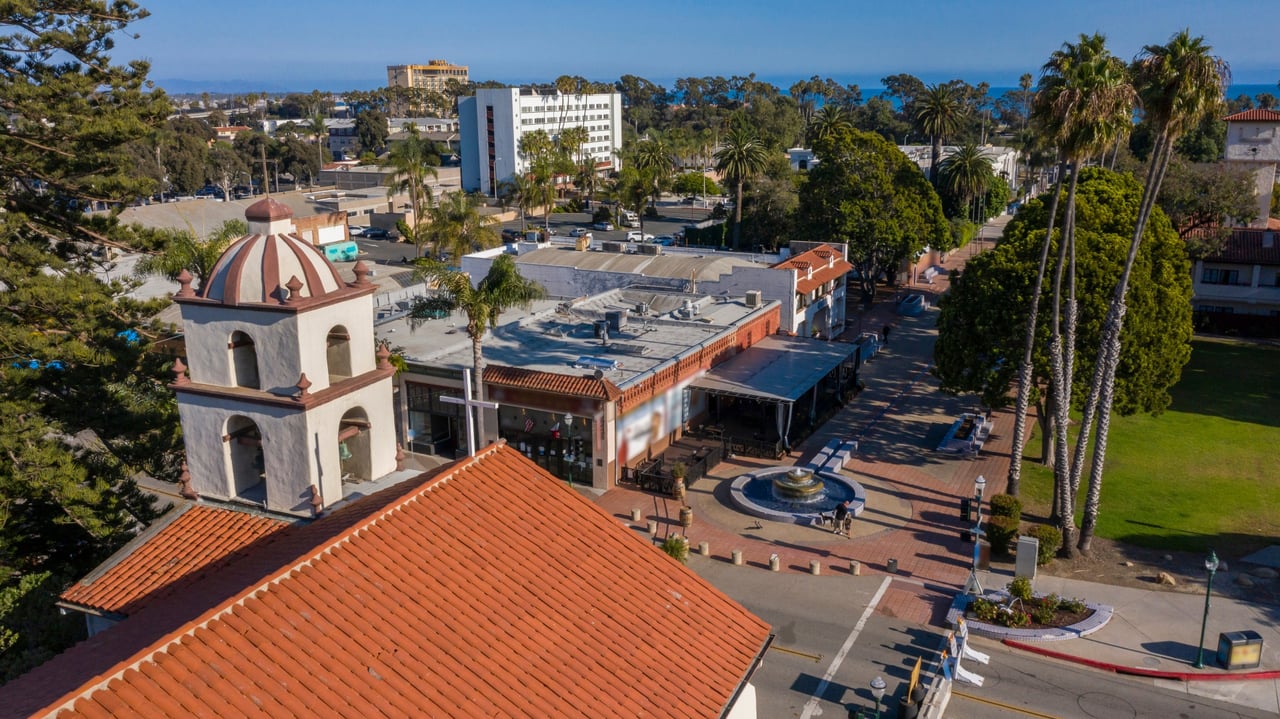
Downtown Ventura centers on Main Street, a compact corridor close to the Ventura Pier and San Buenaventura State Beach. The area mixes historic storefronts, small parks, and civic buildings within short blocks. You are near the waterfront, yet just a few turns from neighborhood streets that feel quieter by comparison.
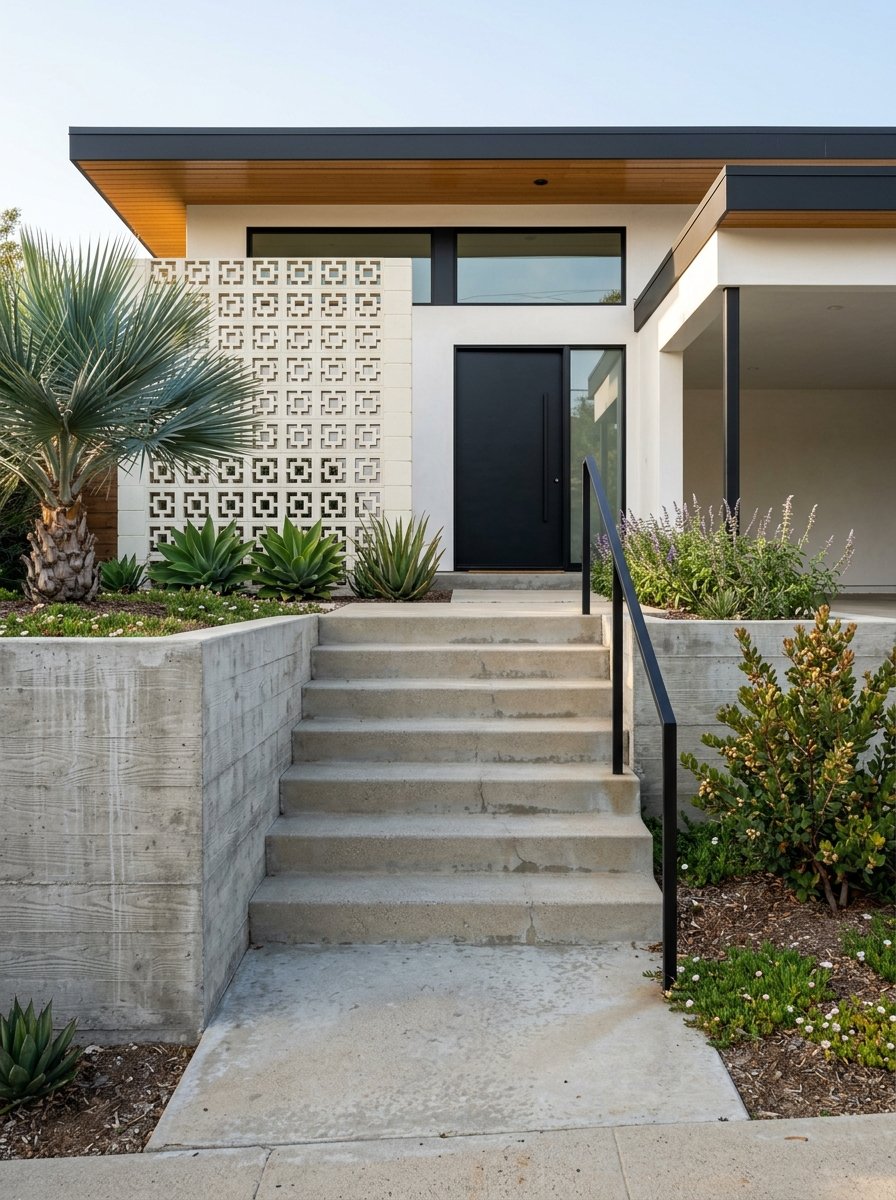
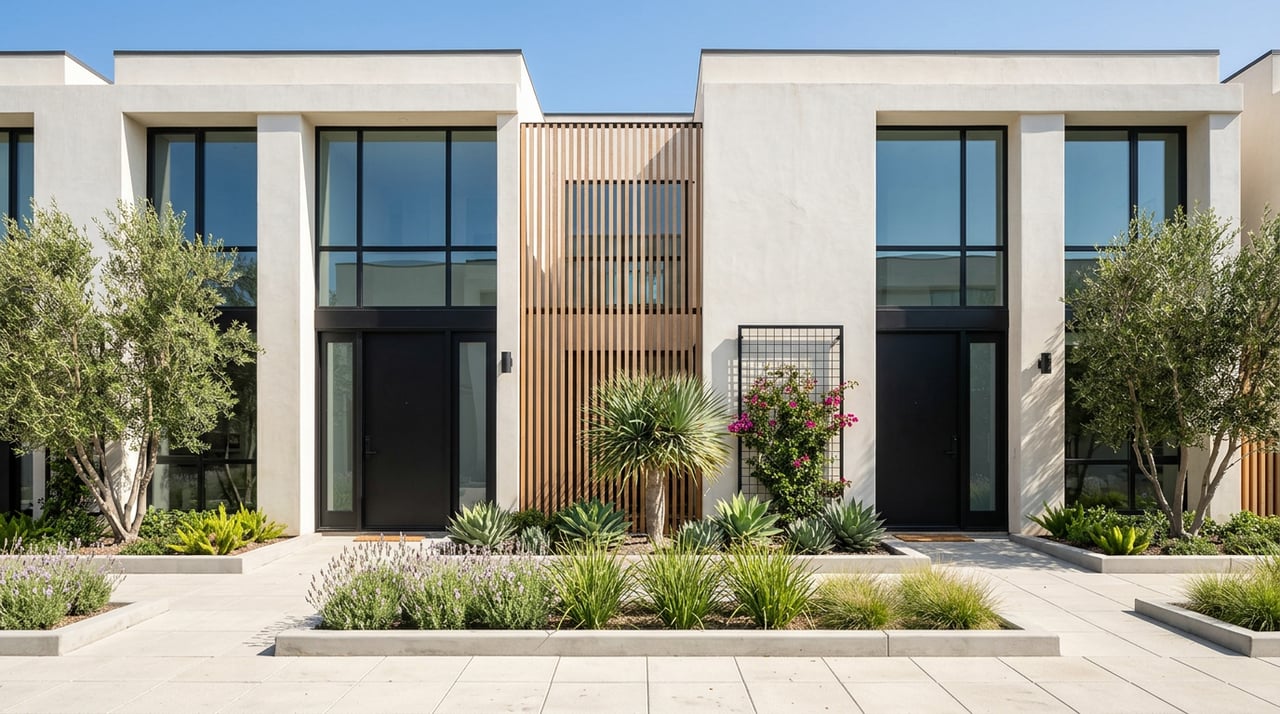
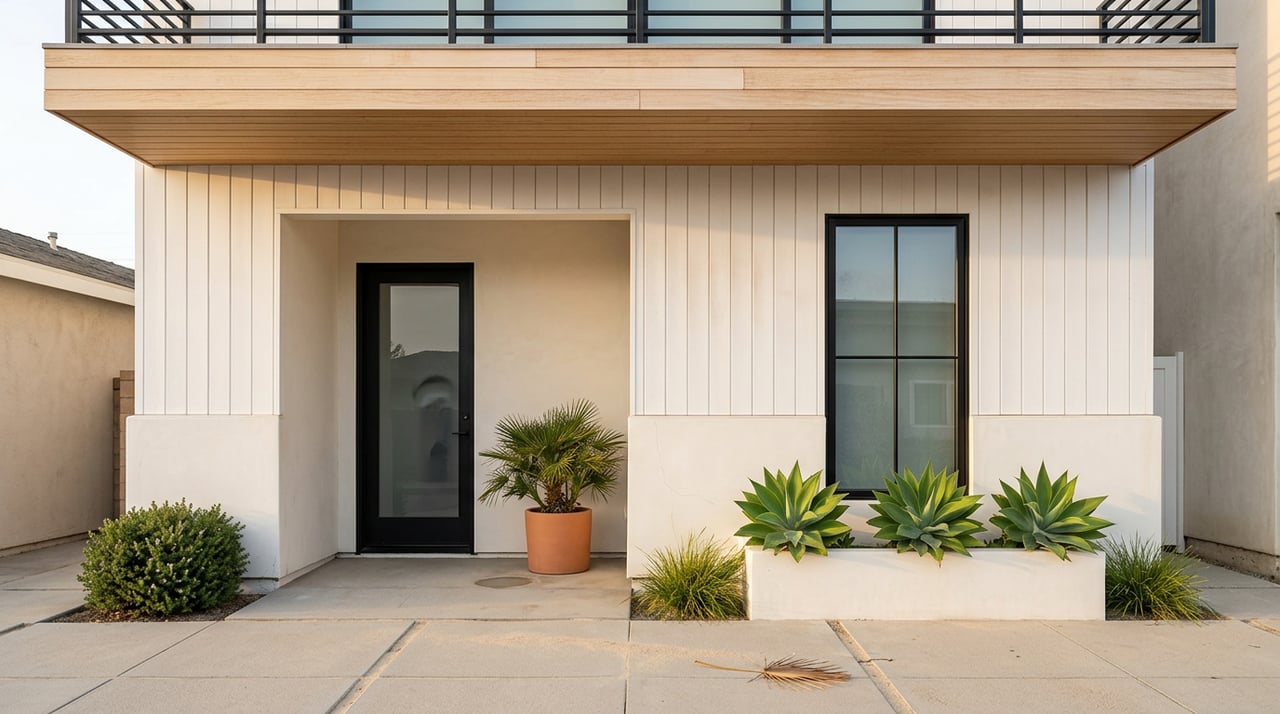
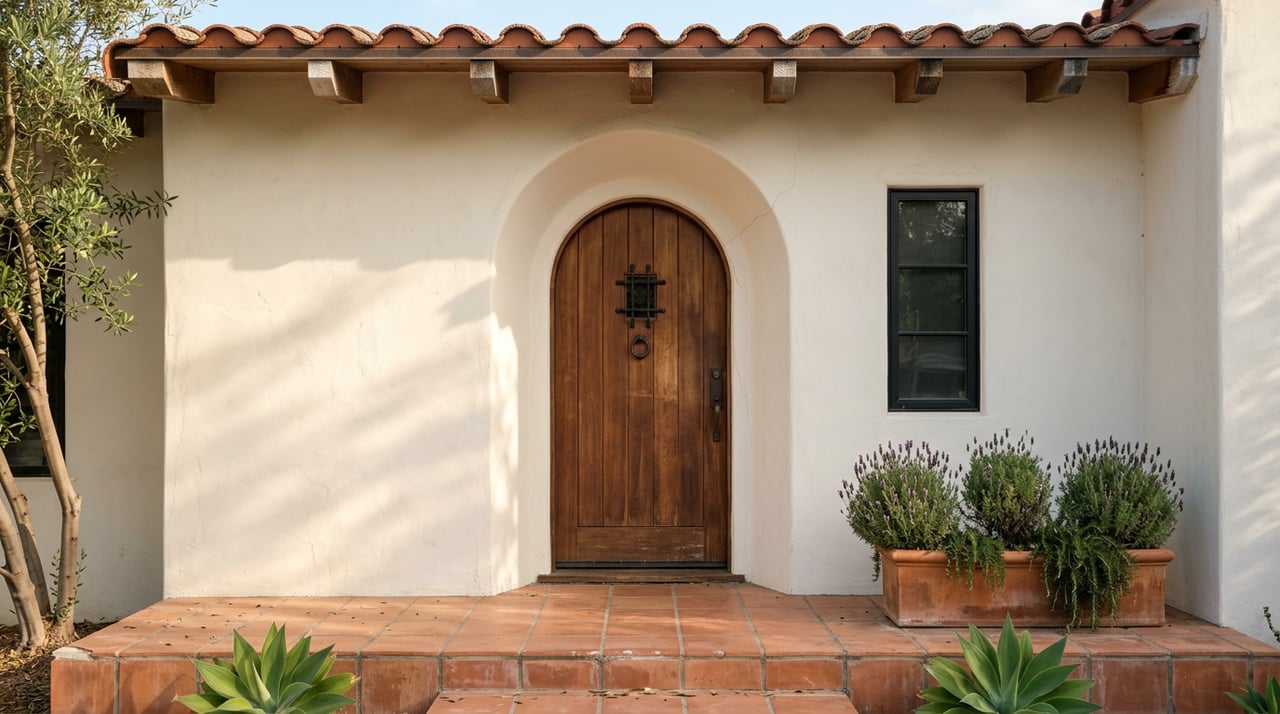
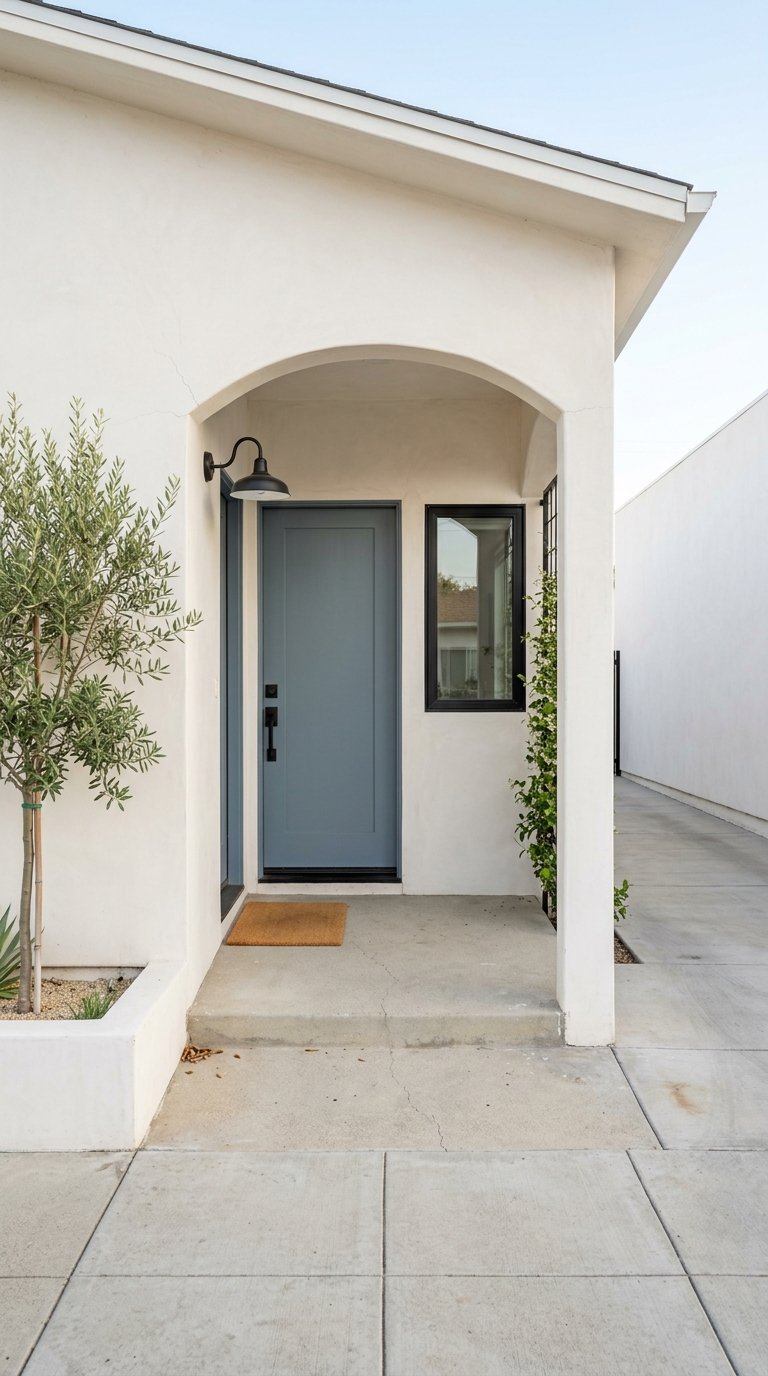
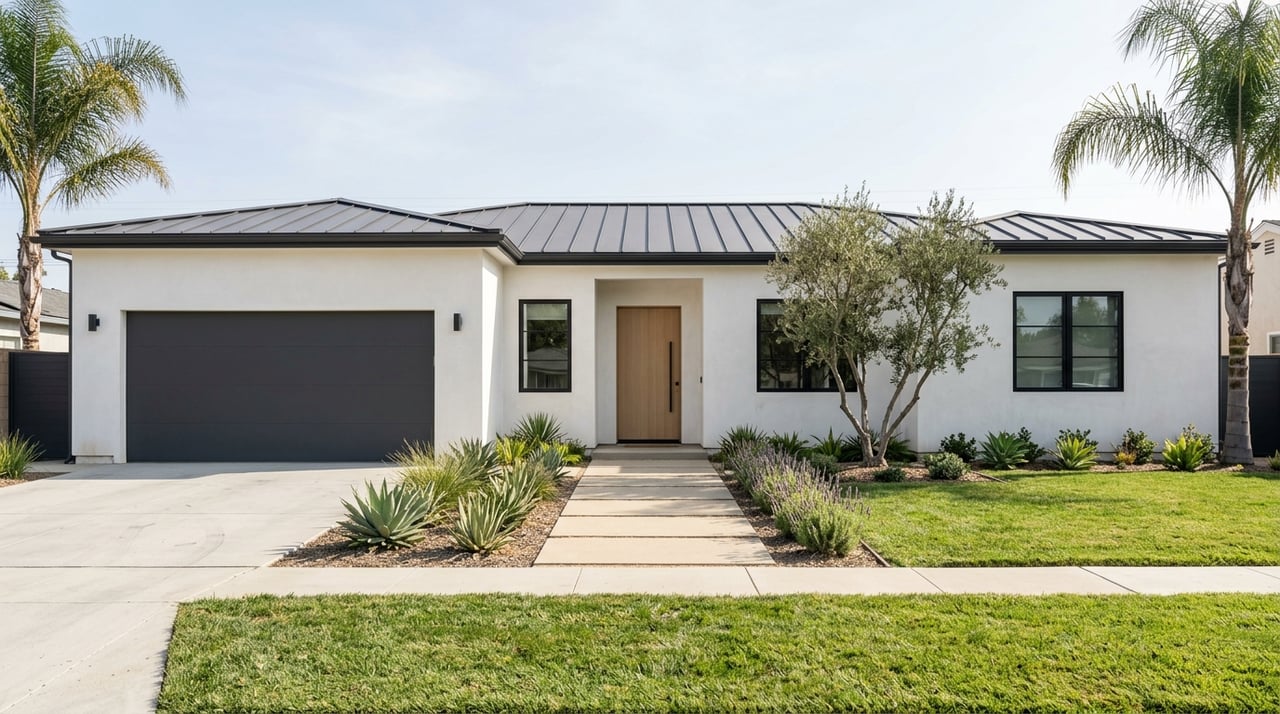
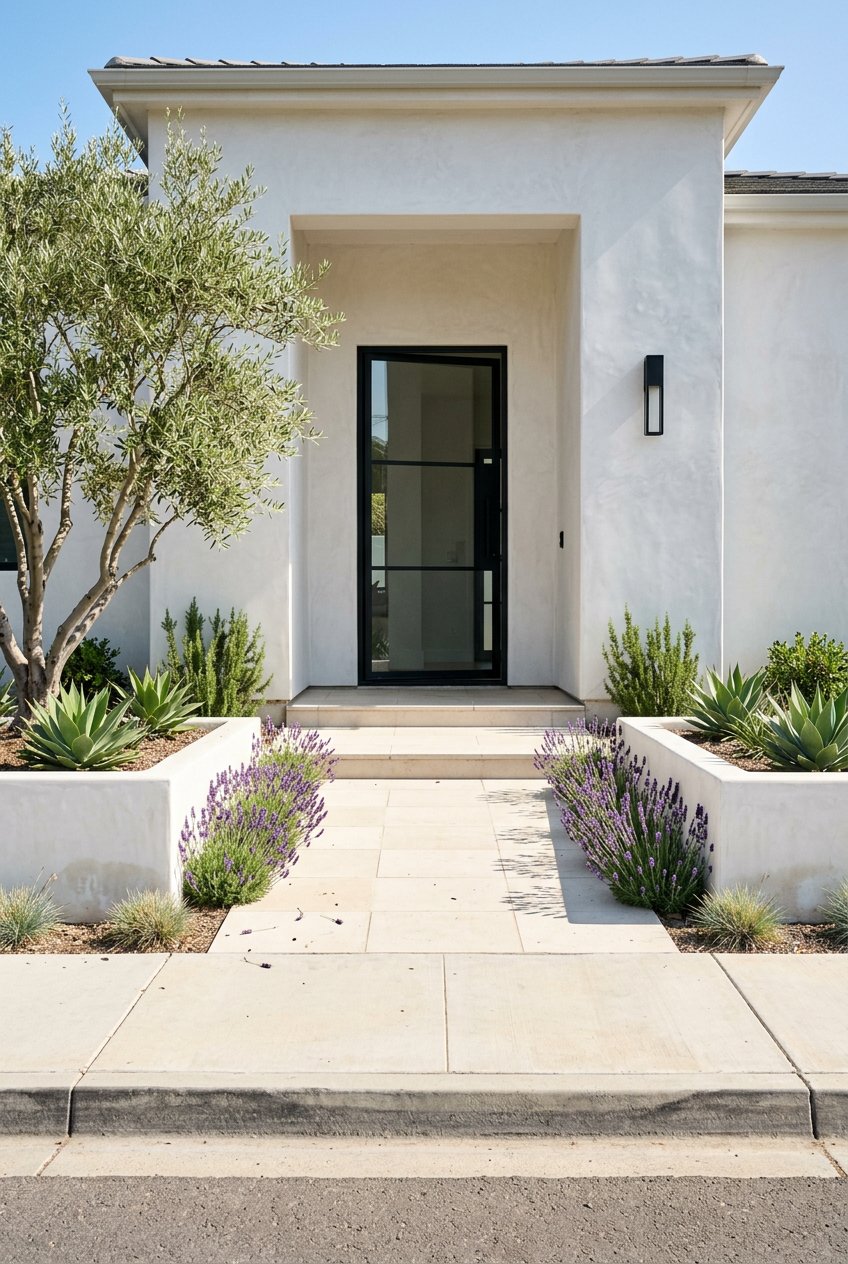
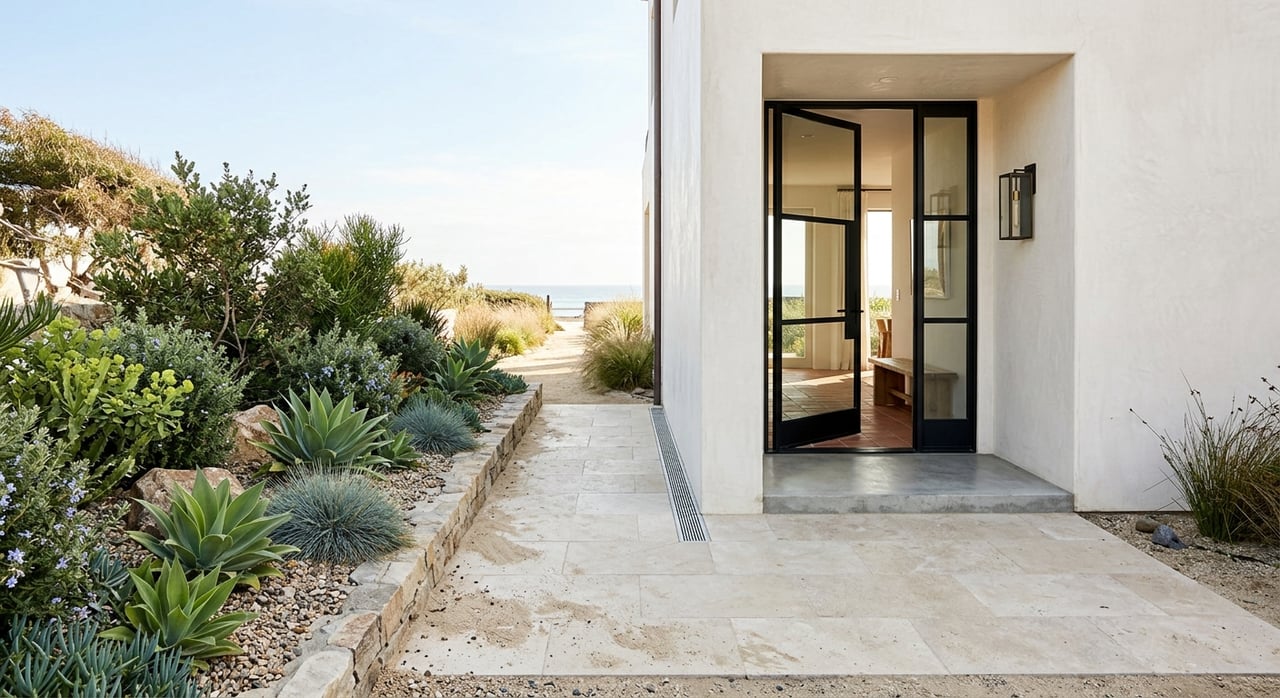
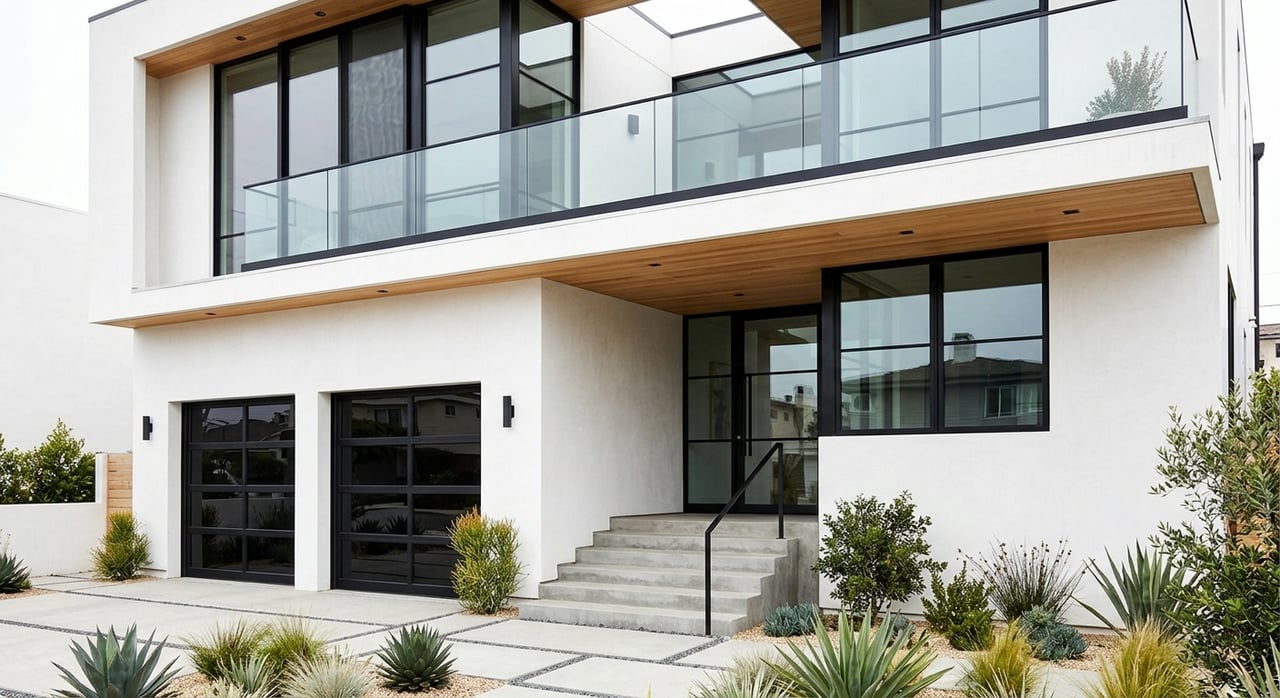
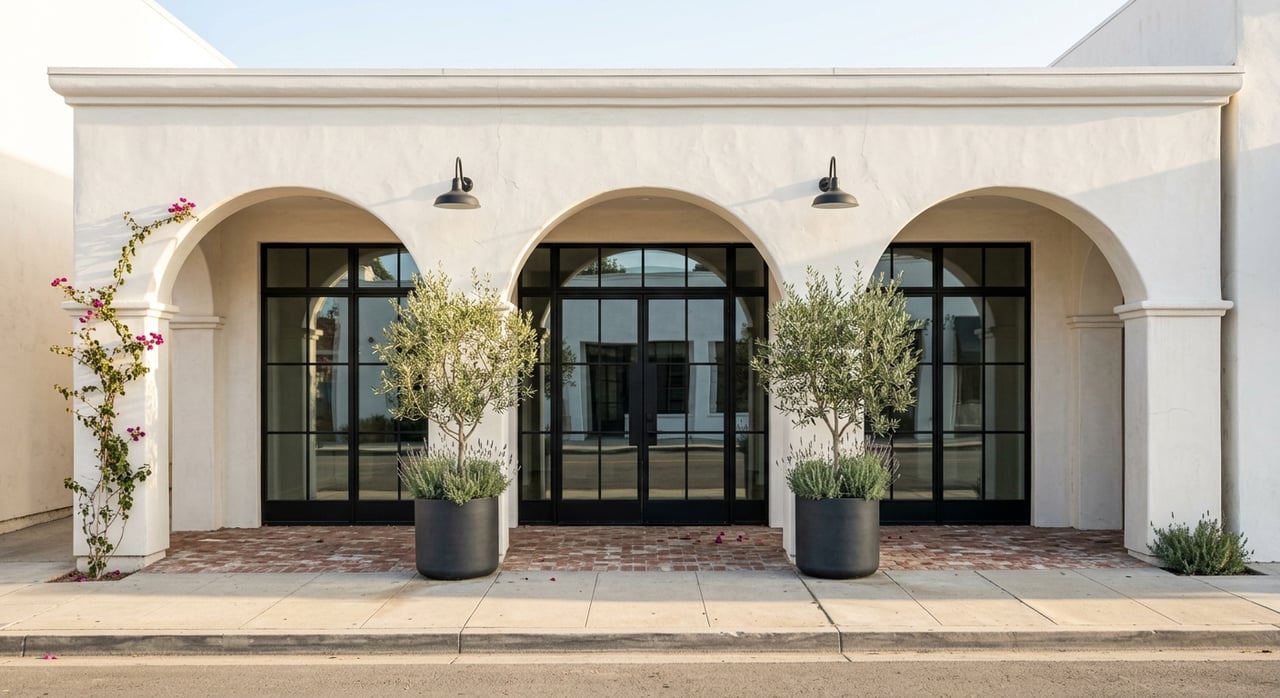
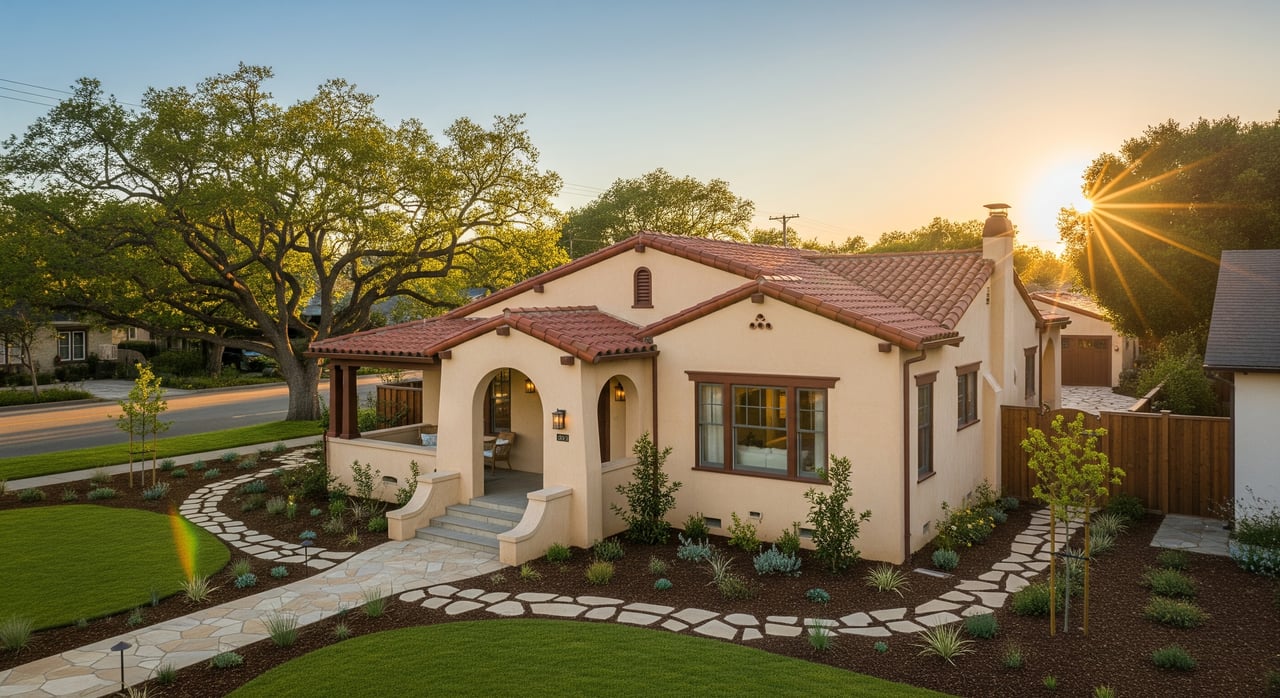
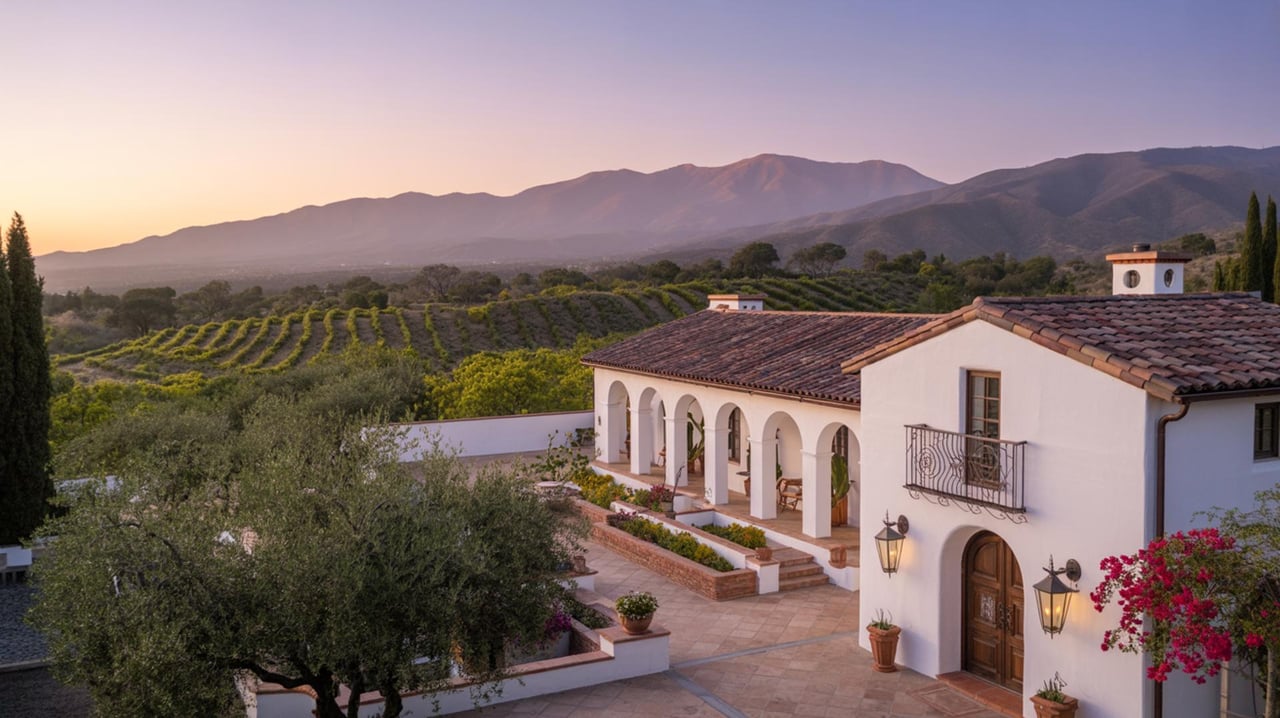
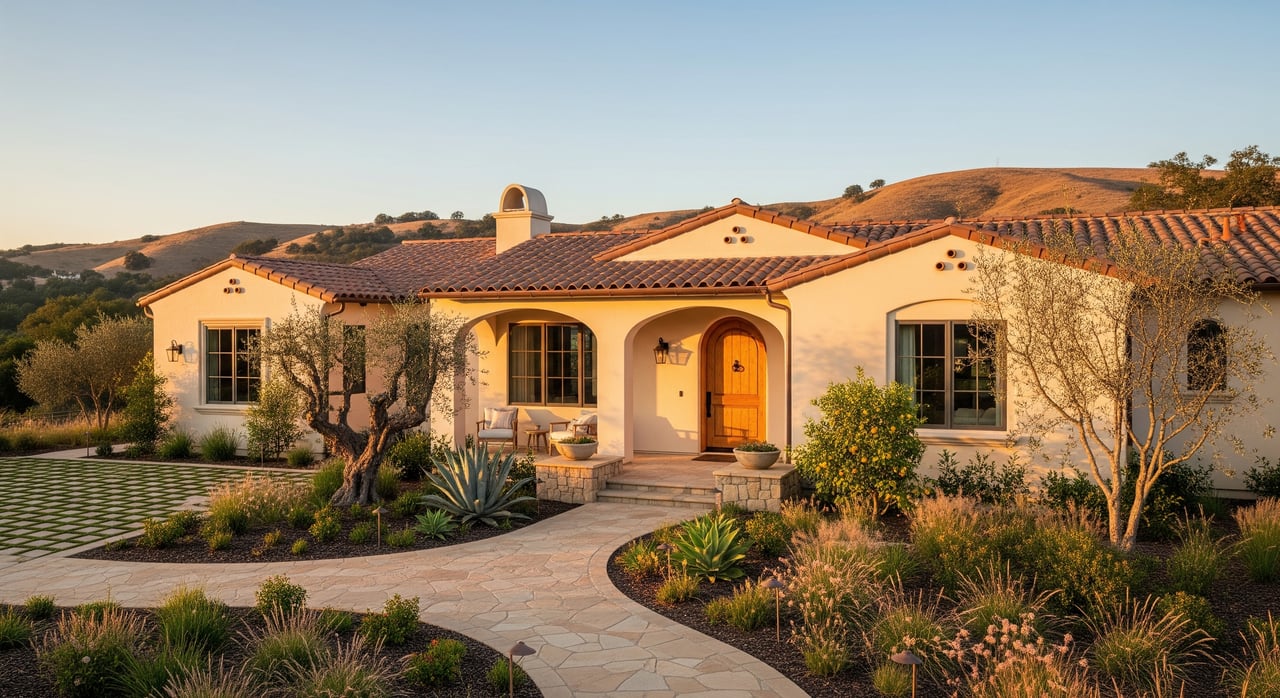
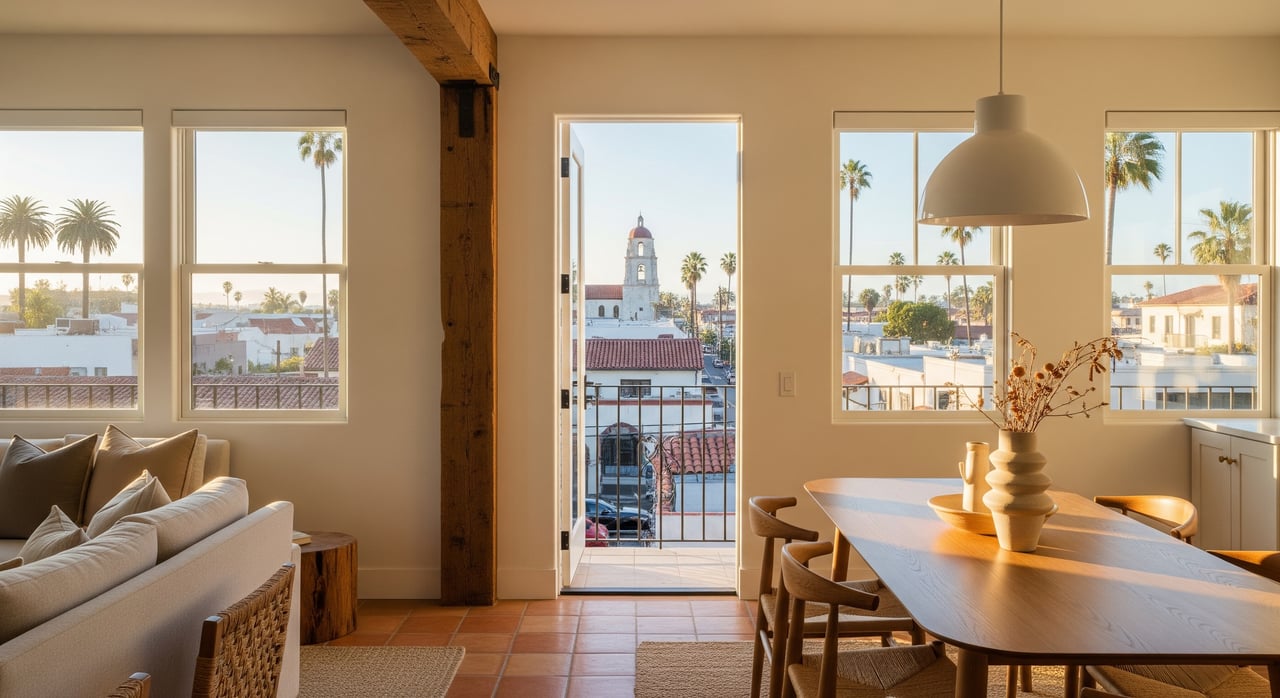
The built environment feels human scale. You’ll see early 20th‑century bungalows, Spanish and Mission‑influenced homes, small apartment buildings and condos, plus a handful of newer infill developments. That mix creates a walkable core near Main Street that transitions into more traditional residential blocks as you move a few streets away.
The daily rhythm
Mornings on Main and the promenade
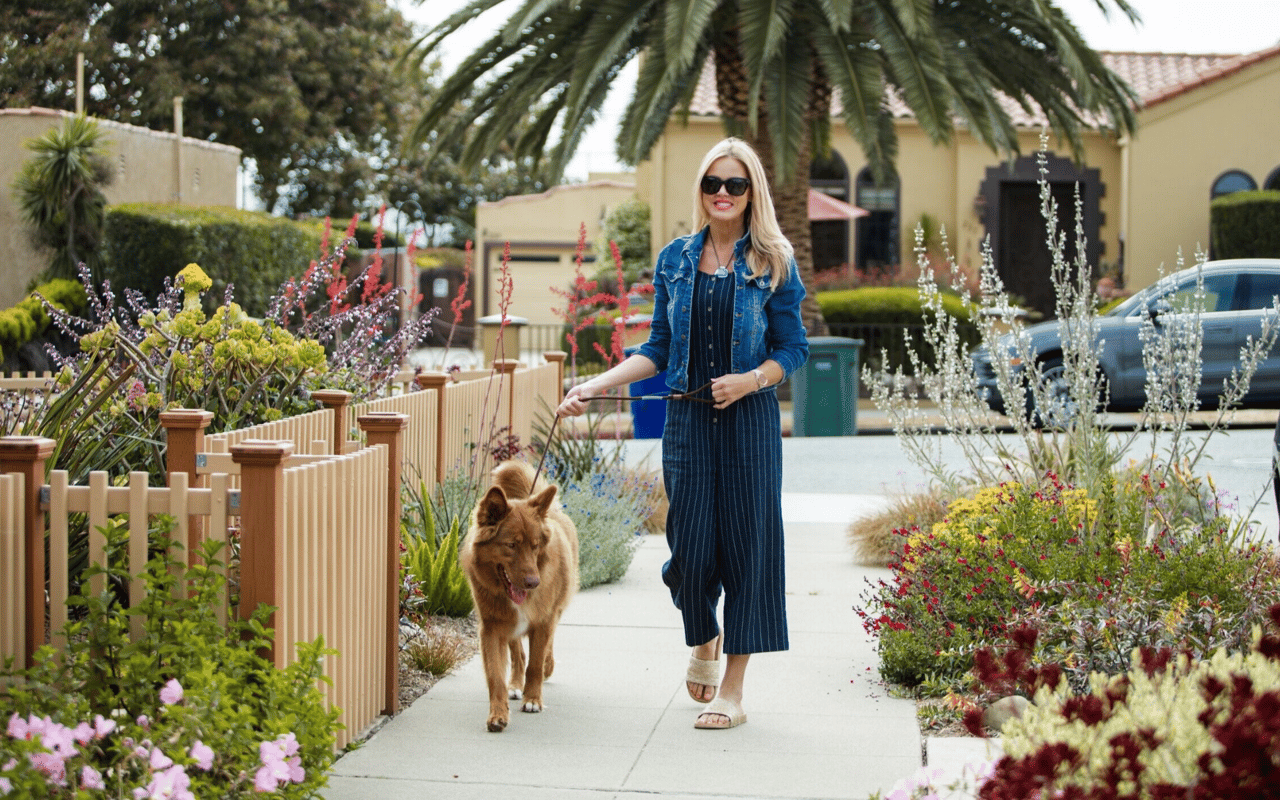
Most days start simply. You can stroll out for coffee and a pastry, or take the dog along the promenade and down to the sand. Weekday mornings feel calm with regulars, remote workers, and retirees easing into the day. Weekends bring more visitors and early beachgoers, so plan your coffee stop with a little extra time.
Working days and errands
You’ll find people working in local shops, hospitality, small professional offices, and arts-related roles. Remote workers settle into work-friendly cafes. Everyday errands are easy to tackle by foot or a short drive. For specialty items and big-box retail, you’ll head to other parts of Ventura, but most daily needs are close at hand.
Dining and evenings
Main Street offers a range of independent restaurants and a few bars and music spots. The scene leans local and casual. On weeknights, you can slip into a bistro or seafood place without much fuss. On weekend evenings, expect a livelier vibe and more foot traffic as locals and visitors crowd into patios and venues.
Beach and outdoor life
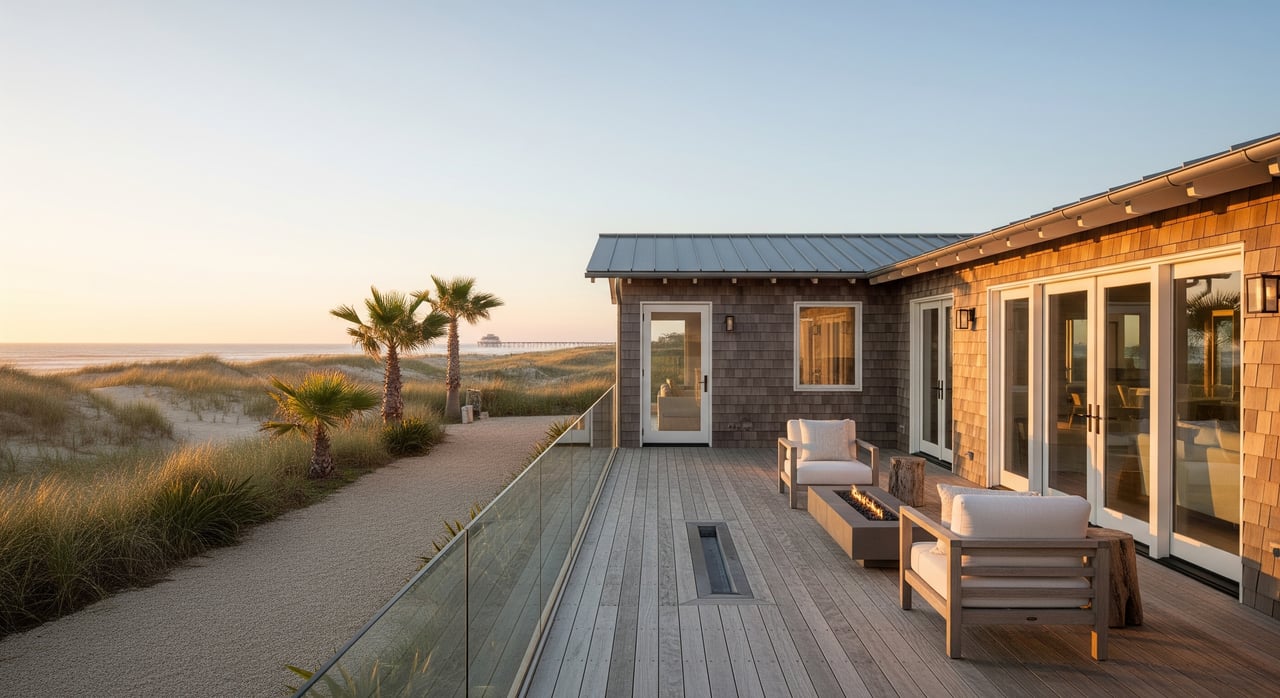
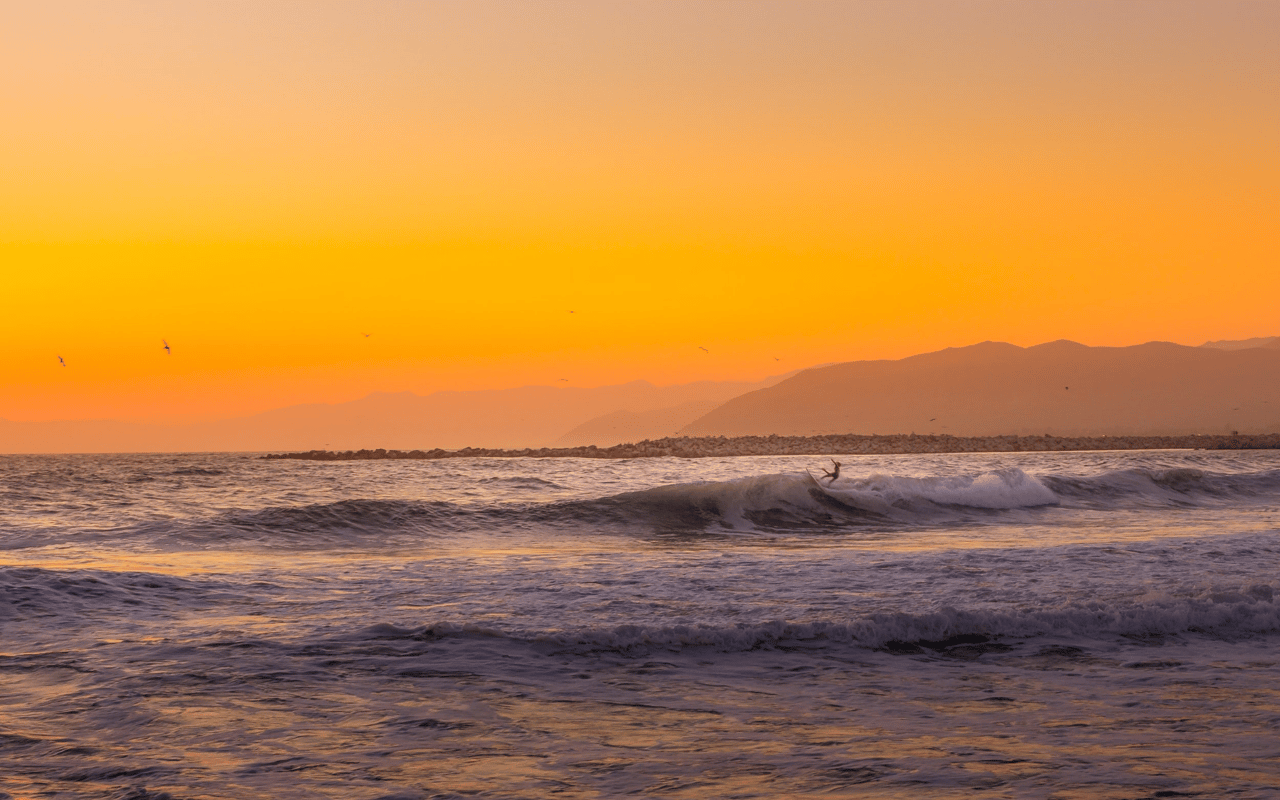
Quick access to the pier and state beach is a top reason people choose downtown. Walk, run, surf, or simply sit with the ocean in view. The coastal microclimate brings cool mornings and a marine layer during late spring and early summer, often clearing into sunny afternoons. For seasonal timing and outdoor tips, check event and beach updates from Visit Ventura.
Pets and everyday park time
The compact layout makes dog ownership convenient. Many businesses welcome pups on patios, and you can reach the promenade or nearby parks within minutes. Households with school-age children often weigh playground access and after-school activities along with commute logistics and housing layout.
Noise, visitors, and seasonality
This is an active downtown. Foot and car traffic increase on weekends, during summer, and on event dates. Blocks right on Main Street or near venues feel livelier. Interior side streets tend to quiet down more at night. If sound levels matter to you, visit at different times of day before you decide on a specific address.
Getting around
On foot and by bike
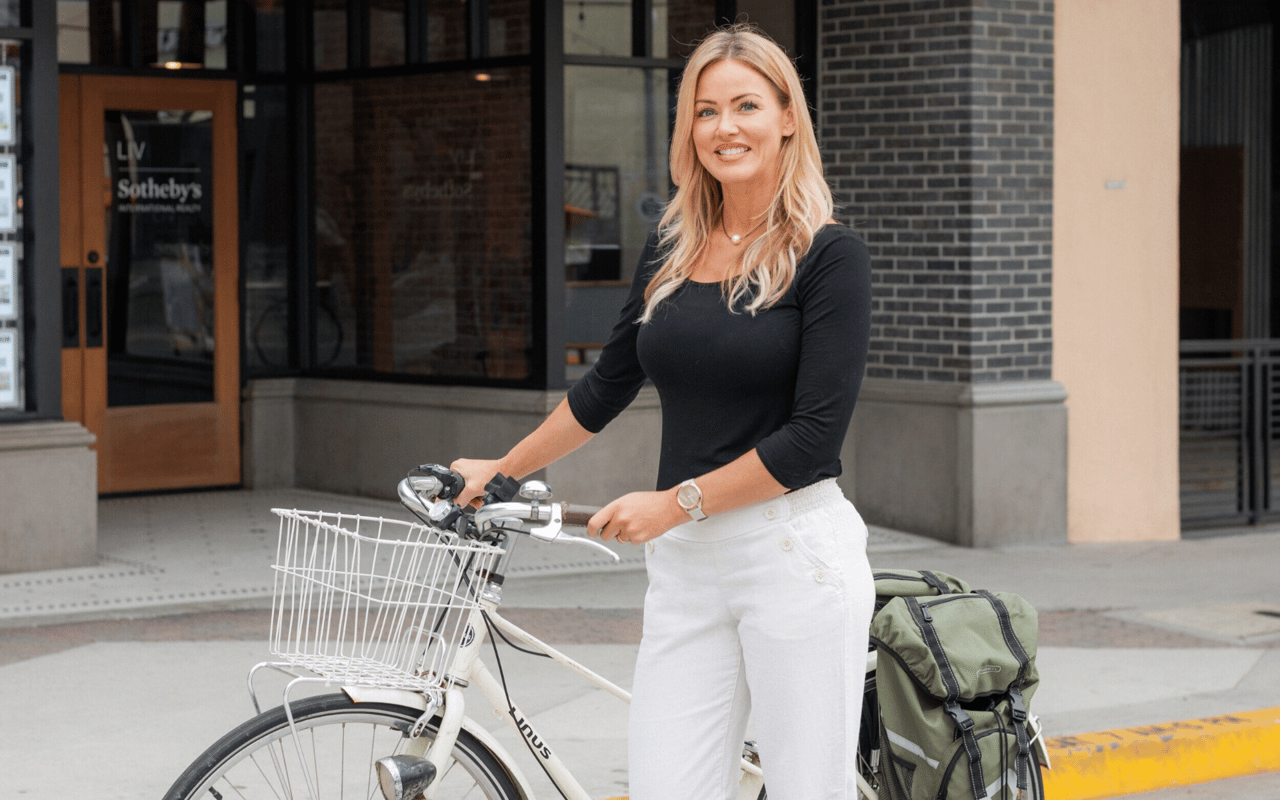
Downtown ranks among Ventura’s most walkable areas. For a data point, review the neighborhood’s score on Walk Score and compare nearby blocks. The mostly flat terrain helps if you bike to the promenade or cruise through side streets. You will find selected bike lanes and shared routes near the coast and on certain corridors.
Rail and bus connections
You have a non-driving option for regional trips. The Amtrak Pacific Surfliner serves Ventura, connecting you up the coast to Santa Barbara and down to Los Angeles. Schedules and travel times vary, so check the timetable if you plan a regular commute.
Locally, bus service through Gold Coast Transit District and the Ventura County Transportation Commission links downtown with neighboring cities and other Ventura neighborhoods. Routes and frequency change, so confirm the current map before you rely on a connection.
Driving and parking
U.S. Highway 101 cuts through Ventura and makes regional access straightforward. Drive times depend on traffic, especially during peak hours. Within downtown, you’ll find a mix of street parking, meters, and small public lots. Older apartment buildings may have limited onsite parking, so confirm options for your specific building or address.
Arts, culture, and community
Main Street as the community spine
Main Street is where the city gathers. Parades, street fairs, and seasonal festivals typically center along the corridor and nearby parks. You’ll also find weekly or seasonal markets, pop-up performances, and casual music nights. For public event updates and official notices, check the City of Ventura.
Museums, galleries, and theater
Downtown supports small theaters, galleries, and historic venues that host touring acts. The Museum of Ventura County and the historic Mission San Buenaventura add cultural depth in an easy-to-walk radius. Gallery openings and art walks occur throughout the year, creating relaxed, social evenings where you can meet makers and neighbors.
Where to find what’s happening
Event schedules shift season to season. To see what’s on deck, look at listings from Visit Ventura and the city’s calendar. Local reporting in the Ventura County Star often highlights upcoming festivals, development news, and arts programming.
Practical considerations before you move
Housing types and character
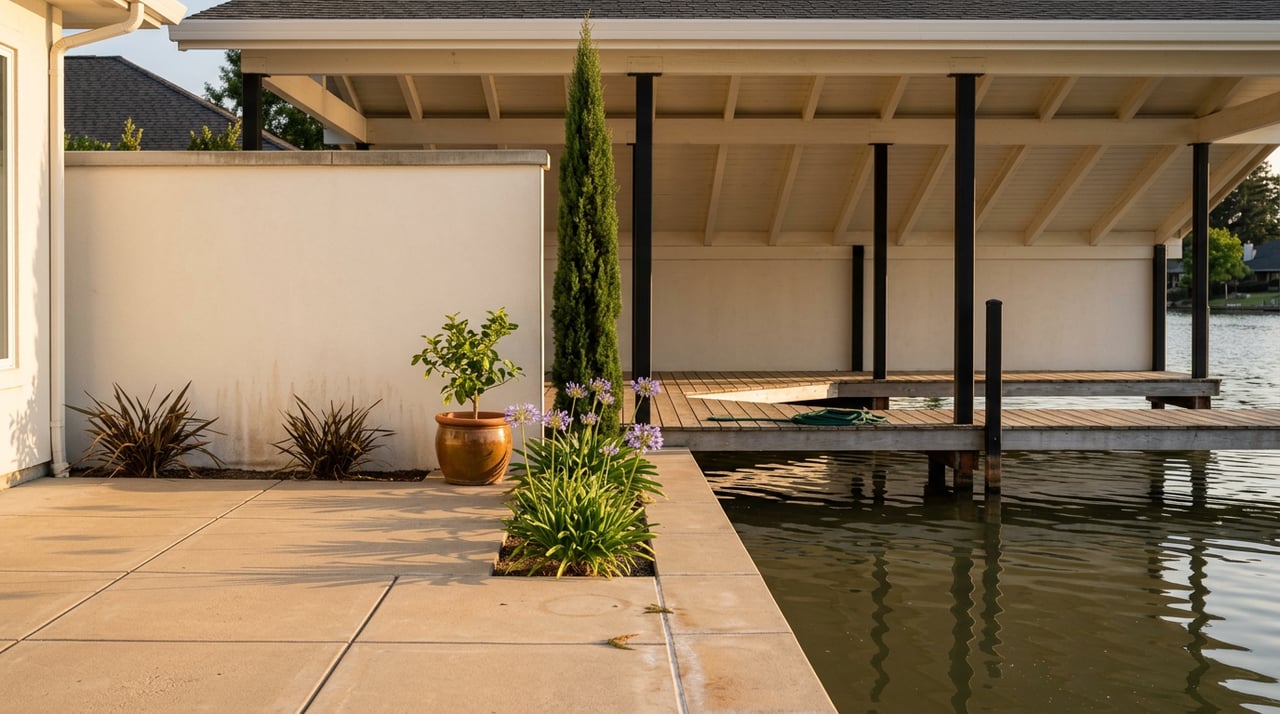
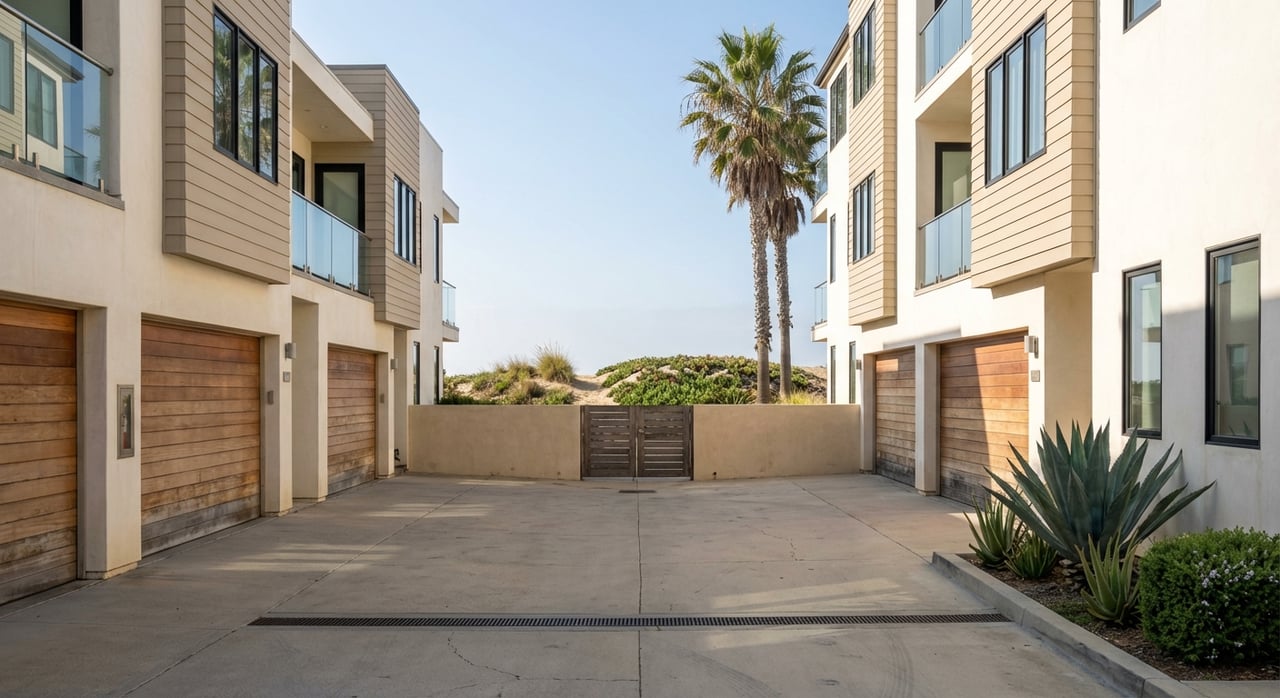
Inventory near downtown skews toward smaller condos and apartments, older single-family homes, and a few newer infill projects where zoning allows. Properties close to the beach or with direct water access typically command price premiums. If you are exploring historic homes, expect a range of architectural styles and age-related quirks.
Budget and maintenance reality
Older buildings can come with limited onsite parking and systems that need updating. Factor routine maintenance and potential upgrades into your planning, especially for plumbing, electrical, and exterior weatherproofing near the coast. If you’re comparing options, a local agent can help you evaluate micro-locations and building history.
Schools and learning options
Downtown addresses fall within the Ventura Unified School District. Because attendance zones change, verify boundaries and programs directly with Ventura Unified School District. Families often use third-party sites like GreatSchools to review school profiles and programs. Always confirm details with the district.
Safety and awareness
As with any urban core, experiences can vary block to block. Review official crime maps and statistics through the City of Ventura, and visit properties at different times to get a feel for street activity. Active, well-used streets often feel comfortable, while nightlife areas can be busier later in the evening.
Remote work readiness
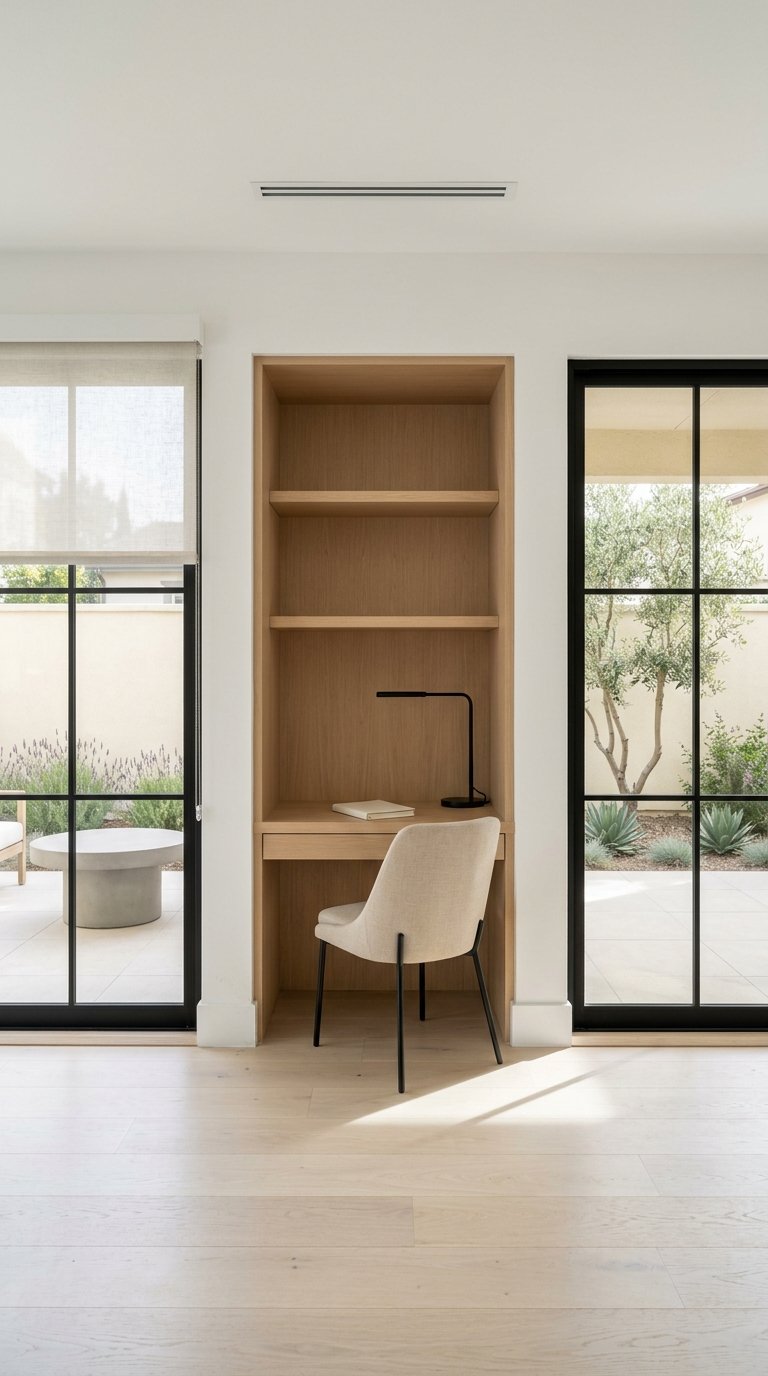
If you work from home, you’ll appreciate the number of casual work-friendly cafes. Coworking-specific spaces are more limited than in larger cities, so many residents create hybrid routines that mix home offices with coffee shop sessions. Test your cell coverage and internet options at any property you are considering.
Permits and local rules
Several buildings downtown have historic status or design overlays, which can affect remodels and additions. Short-term rental regulations also change over time. For current planning rules, permit steps, and municipal codes, start with the City of Ventura.
Is Downtown Ventura a fit for you?
Downtown suits people who want a coastal, small-city lifestyle with easy access to dining, culture, and the beach. You trade some space and quiet for walkability and convenience. If that balance sounds right, this neighborhood gives you the flexibility to live car-light and build a daily routine around the ocean.
Consider these quick questions:
- Do you value walking to coffee, dinner, and the beach more than having a larger yard or garage space?
- Are you comfortable with weekend activity and occasional event crowds in exchange for year-round convenience?
- Do you plan to commute by car, train, or bus? Check peak travel times and schedules in advance.
- Would you enjoy a mix of historic character and newer infill buildings, each with different maintenance considerations?
If you want help exploring the micro-locations, building types, and lifestyle fit, reach out to a local expert who lives and works here. When you are ready to see what is possible, connect with Juliana Lisheski. Discover the Ventura Life.
FAQs
How close is Downtown Ventura to the beach?
- Many homes and condos are a short walk or bike ride from the Ventura Pier and San Buenaventura State Beach. Check specific addresses on a map to confirm your exact distance.
Is Downtown Ventura walkable and bikeable for daily needs?
- Yes. It is one of the city’s most walkable areas. For a numerical rating and to compare blocks, review the neighborhood on Walk Score.
How can you commute to Los Angeles without driving from downtown?
- The Amtrak Pacific Surfliner connects Ventura with Los Angeles. Review schedules, travel times, and costs to see if it fits your routine.
When are the busiest times downtown and how can you plan around them?
- Weekends, summer, and event dates see more visitors. Check the City of Ventura and Visit Ventura for calendars so you can plan parking and dinner reservations.
What schools serve downtown addresses and how do you verify?
- Most addresses fall within Ventura Unified School District. Confirm boundaries with Ventura Unified School District and review school profiles on GreatSchools.
Where can you find local bus routes and regional transit info?
- Look up routes, fares, and schedules with Gold Coast Transit District and regional connections through the Ventura County Transportation Commission.