Wish you could run errands, grab dinner, and catch a sunset without getting in the car? If Downtown Ventura is calling your name, you are not alone. The Main Street corridor, the Mission area, and the beach-adjacent blocks offer a true walkable lifestyle with dining, culture, and the Promenade at your doorstep. In this guide, you will learn where to live near Main Street, what housing types to expect, and how to navigate HOA and coastal considerations with confidence. Let’s dive in.
Why Downtown Ventura is walkable
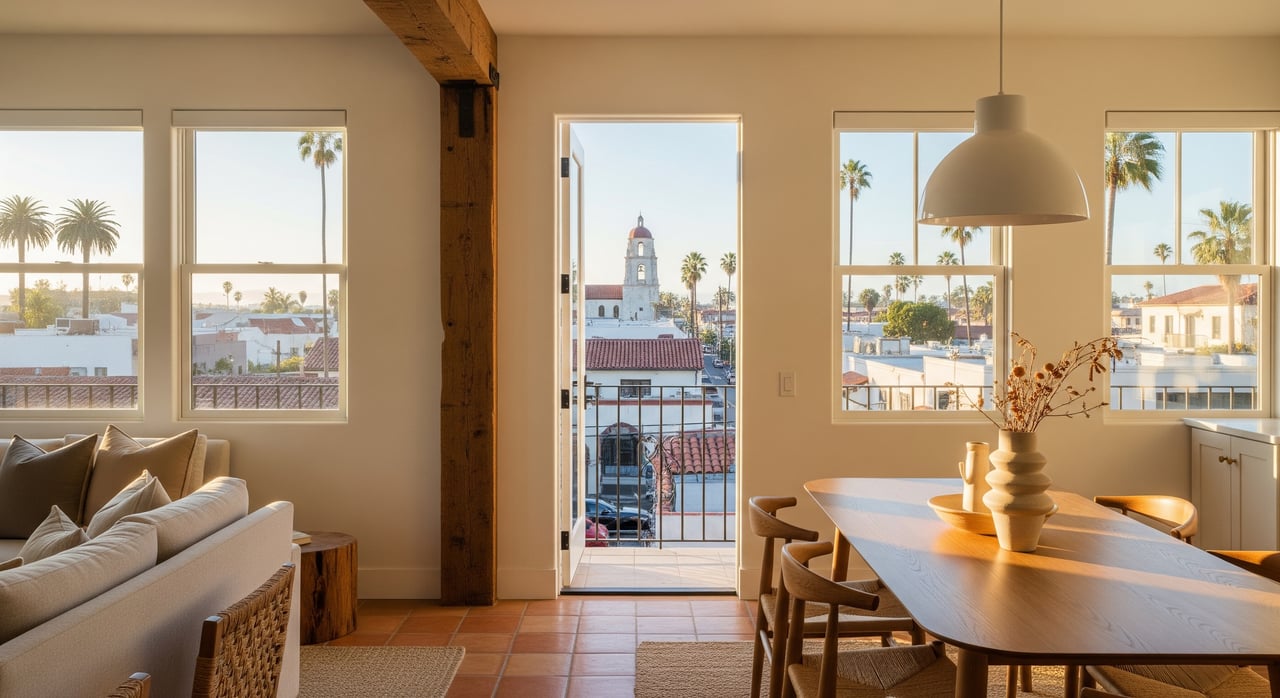
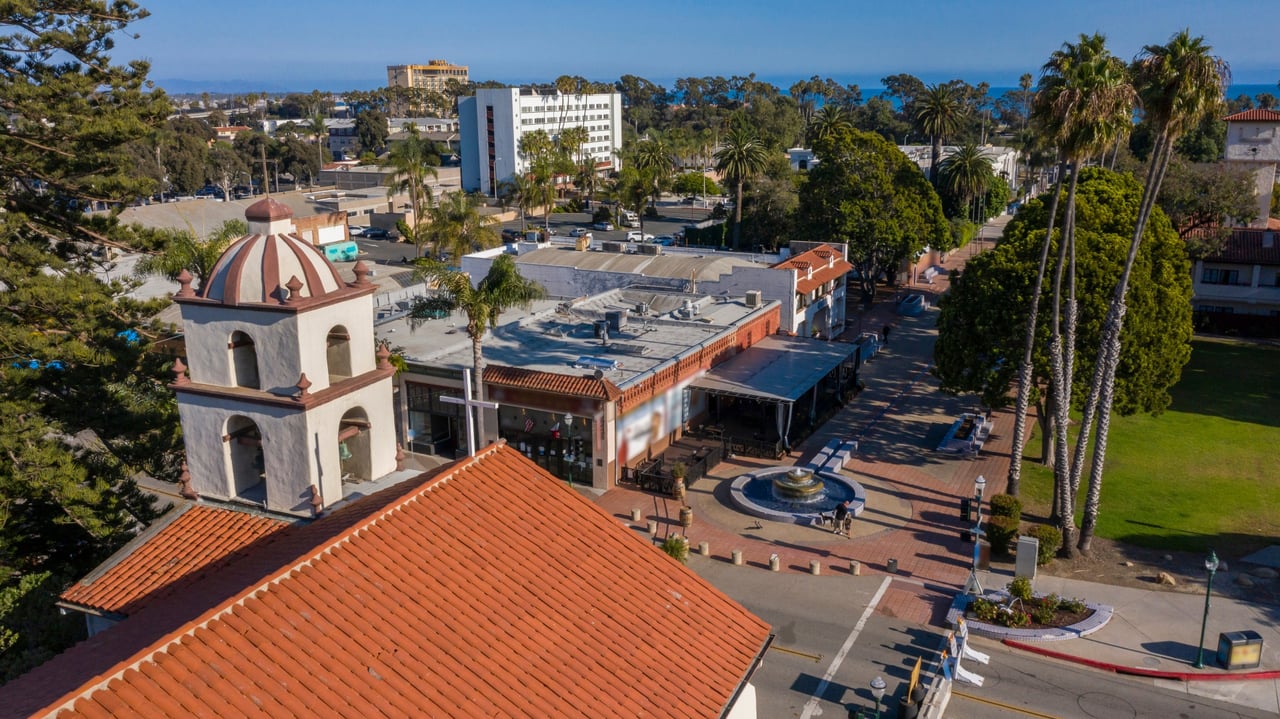
Downtown Ventura centers on Main Street, a compact corridor of restaurants, cafés, galleries, shops, and services. Short blocks, continuous sidewalks, and frequent crosswalks make daily life on foot practical. You can stroll to parks, cultural sites, and the waterfront without much planning.
Transit and connectivity add to the appeal. Local bus routes serve downtown, and the Amtrak station provides regional access along the coast. You will also find bike paths along the Promenade and some on-street lanes, though inland cycling connectivity varies by block. Highway access is close, yet downtown living reduces your dependence on it for local trips.
Parking is the tradeoff you should plan for. Street parking near Main Street is time-limited or metered, and many older buildings and condos offer limited off-street options. If you rely on a car daily, verify garage or deeded spaces early. Many walkability-focused buyers decide the lifestyle benefits are worth the parking puzzle.
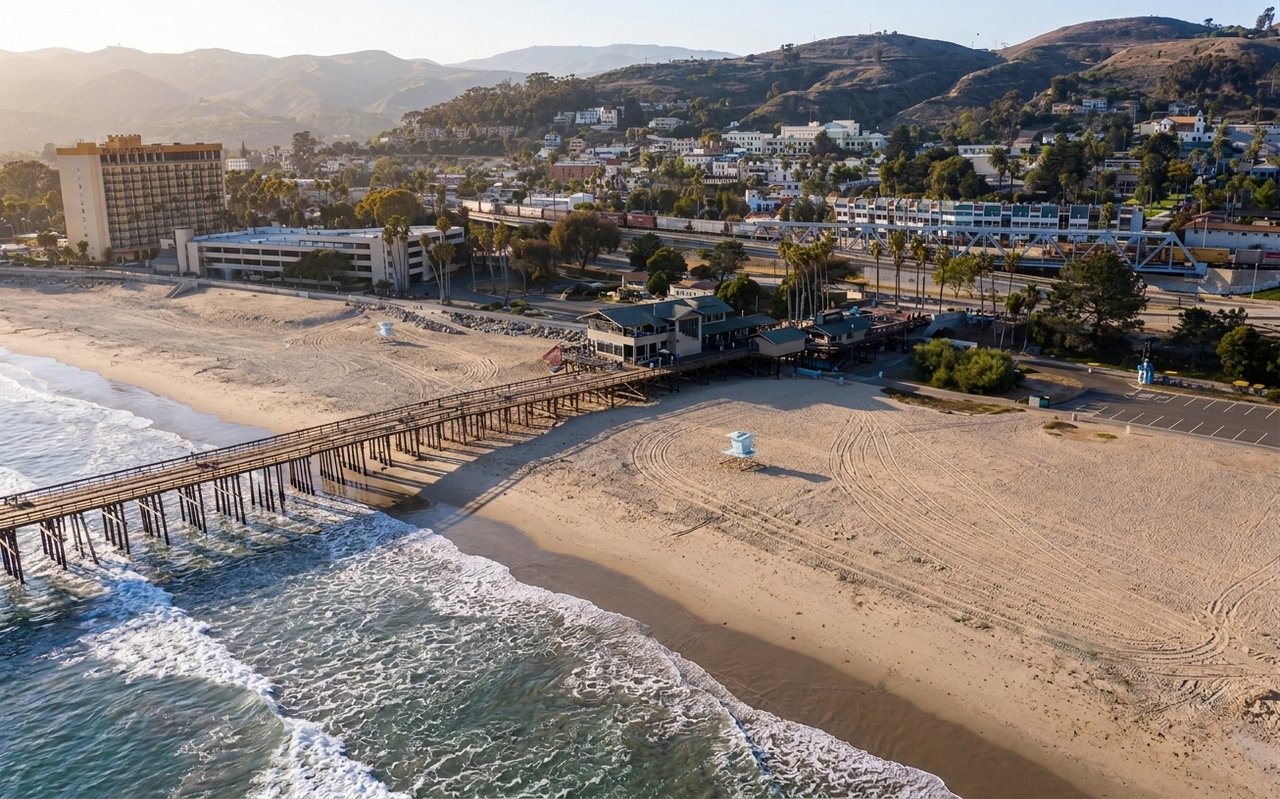
Coastal proximity brings both joy and responsibility. Beach access, sea air, and views enhance daily life. It also means you should review flood zones, coastal hazards, and tsunami evacuation planning. Historic pockets near the Mission may also carry design review rules for exterior changes.
Best walkable pockets near Main Street
Below are the most walkable areas within about a 5 to 15 minute stroll of Main Street, the Mission, or the beach. Each offers a distinct vibe, housing mix, and set of tradeoffs.
Main Street core
What you will love:
- Immediate access to restaurants, cafés, shops, and cultural events.
- High street energy and frequent day-to-night activity.
- A car-light lifestyle for daily errands.
Housing types you will see:
- Mixed-use buildings with residences above retail.
- Small condo conversions, studio and 1–2 bedroom apartments.
- Walk-up flats, Victorian and Craftsman-era units, and newer infill condos or townhomes.
Keep in mind:
- Expect more noise and foot traffic than residential blocks.
- Parking can be limited or assigned off-site. Verify details before you fall in love with a unit.
- Smaller footprints are common, so storage strategies matter.
Mission neighborhood
What you will love:
- A historic setting near Mission San Buenaventura with a calmer pedestrian pace.
- Cultural destinations and parks within a short walk.
- Streets with character and a classic Ventura feel.
Housing types you will see:
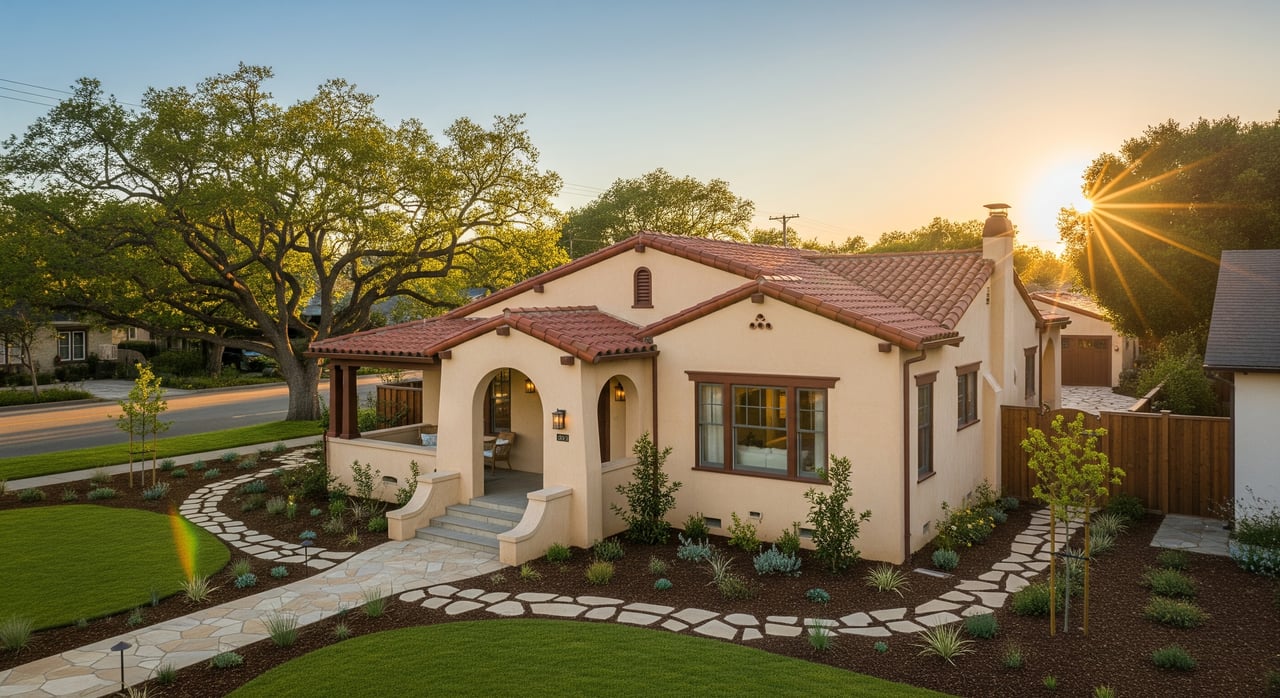
- Detached historic cottages and small single-family homes.
- Bungalow-era houses, some duplex conversions, and small condos.
Keep in mind:
- Older systems and materials may require more maintenance.
- Historic districts and design guidelines can shape exterior changes.
- Parking is often better than the commercial core, but still verify.
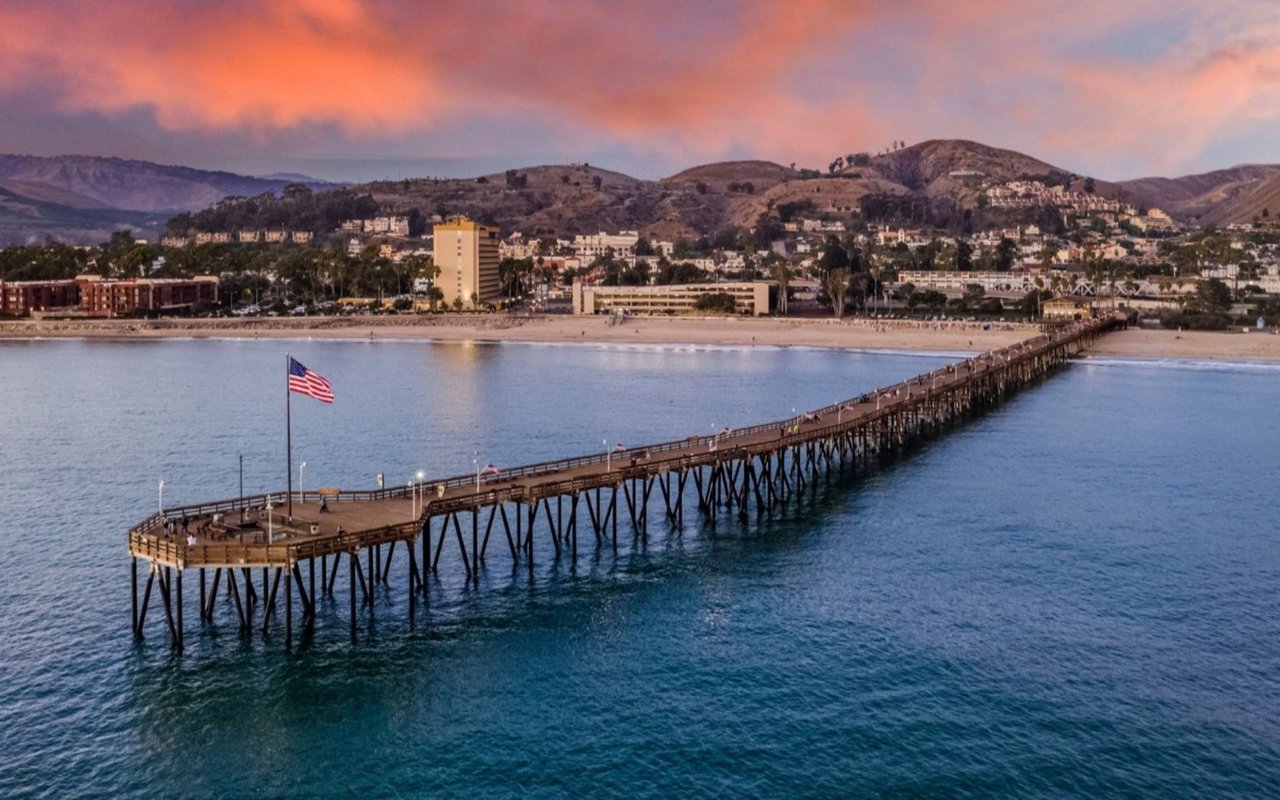
Promenade and beach-adjacent blocks
What you will love:
- Immediate beach, promenade, and bike path access for sunrise runs and sunset walks.
- Surf spots and recreation minutes from your door.
- Ocean breezes and, in some buildings, water views.
Housing types you will see:
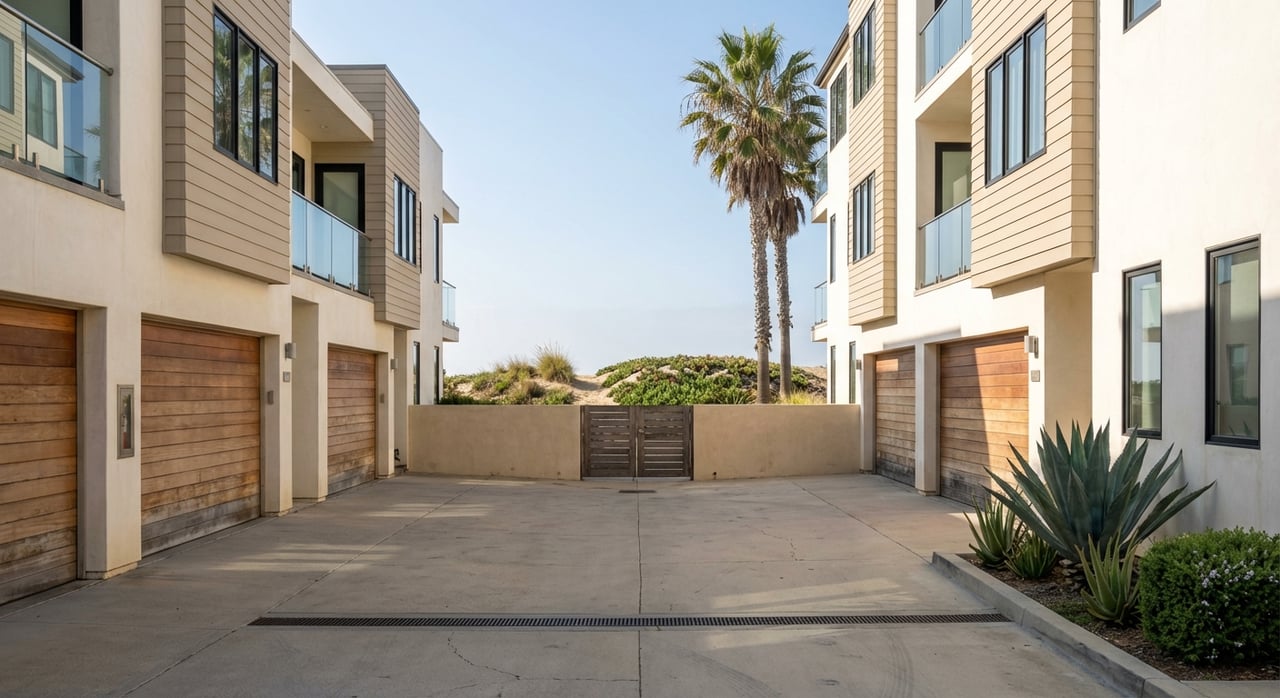
- Multi-family buildings with balconies and view corridors.
- Small condos, studios, and modern townhomes.
- A handful of detached beach cottages.
Keep in mind:
- Prices often carry a premium for proximity to the sand and views.
- Coastal zone rules, flood exposure, and insurance considerations apply.
- Salt air can increase exterior wear; check building maintenance history.
Near-downtown cross-streets
What you will love:
- Quieter residential feel with a short walk to Main Street.
- Tree-lined blocks and a neighborhood rhythm.
- A practical balance between access and privacy.
Housing types you will see:
- Small detached homes, mid-century houses, and bungalows.
- Duplexes and occasional newer infill townhomes.
Keep in mind:
- Off-street parking is more common than on Main Street, but still variable.
- Inventory can be tight because these blocks are popular with long-term owners.
- Compare renovation needs between older cottages and newer infill.
New infill and small-lot developments
What you will love:
- Modern systems, energy efficiency, and contemporary design.
- Often include garages or covered parking and low-maintenance living.
- A short walk to downtown dining with a newer-home feel.
Housing types you will see:
- Townhomes and condominiums with HOA-managed common areas.
- Mixed-use buildings with residences set above ground-floor commercial.
Keep in mind:
- HOA fees cover shared expenses and reserves, which vary by community.
- Landscaping may feel newer and less established in the first years.
- Review HOA rules on pets, rentals, and parking before you commit.
HOA and ownership basics
Downtown ownership comes in several forms, and each shapes your day-to-day experience and costs.
Common ownership types:
- Condominium: You own the interior of your unit and share common areas through an HOA.
- Townhome or Planned Unit Development: Often includes a small lot or garage with an HOA handling common elements.
- Fee-simple single-family: A standalone home, sometimes part of a small duplex conversion or cluster.
- Rental apartments: Investor-owned and not typically for individual unit purchase, but relevant for investor buyers considering multi-unit acquisitions.
Key HOA items to review:
- Fees and coverage: Look at what is included, such as water, building insurance, exterior maintenance, grounds, elevator, and reserves. Compare levels within similar coastal buildings.
- Reserves and assessments: Older properties may need roof, seismic, elevator, or façade work. Ask about reserve studies, special assessment history, and planned projects.
- Lifestyle rules: Pet policies, parking assignments, noise and occupancy rules, and short-term rentals. Some HOAs allow vacation rentals and others prohibit them.
- Insurance: Understand the master policy and what you must carry individually. Coastal settings can influence premiums and deductibles.
- Governance and management: Strong CC&Rs, transparent meeting minutes, and professional management are good signs.
Local regulations to understand:
- Short-term rentals: City rules often require registration, permits, and transient occupancy tax for STRs. Confirm current Ventura policies and enforcement.
- Historic preservation: Near the Mission, design review may apply to exterior changes.
- Coastal Zone and Local Coastal Program: Projects near the coast may require coastal permits and consistency with the California Coastal Act and local policies.
- Zoning: Downtown zoning can allow mixed-use, higher density, and pedestrian-oriented uses. Check what is allowed for alterations, ADUs, and parking.
Parking realities:
- Downtown condos and townhomes may include deeded or assigned spaces. Older buildings may not. If parking matters to you, make it a must-have from the start.
- Street programs and time limits can affect guests and second vehicles. Review current city parking rules and permit options.
Buyer checklist for walkable living
Use this concise list to focus your search and your due diligence.
Walkability and lifestyle fit:
- Walk your route to Main Street, the Mission, and the beach at different times to gauge noise, lighting, and activity.
- Time your essential trips to the grocery, pharmacy, Post Office, and transit stop.
Parking and vehicle access:
- Verify deeded or assigned parking in writing. Confirm the exact space location and size.
- Ask about guest parking, street time limits, and any permit programs.
HOA financial and rule review:
- Request CC&Rs, bylaws, financials, reserve studies, the last 12–24 months of meeting minutes, and rules on rentals and pets.
- Ask about planned capital projects and any history of special assessments.
Building condition and systems:
- For older homes or buildings, budget for roof, plumbing, electrical, HVAC, and termite items.
- In condos, review common-area maintenance records, elevator service, seismic upgrades, and exterior paint or stucco plans.
Regulatory and environmental checks:
- Review FEMA flood maps and local coastal hazard resources for flood and sea-level exposure.
- Confirm tsunami evacuation zones and routes.
- Pull permit history on remodels to verify code compliance.
Neighborhood and community:
- Review Ventura Police Department reports for safety trends.
- Note potential noise from bars, late-night venues, events, and street fairs.
- Map proximity to parks, libraries, and community centers.
Market and valuation:
- Compare recent sales within a half to one mile, focusing on similar property types.
- Separate value premiums for walkability and for beachfront proximity.
- Note inventory levels and days on market for downtown condos versus detached homes.
Insurance and lending:
- Ask insurers about coastal and flood coverage, wind or hail exclusions, and deductibles.
- If you are buying a condo, confirm lender requirements for budgets, reserves, and owner-occupancy ratios.
How we help you choose
If you want a walkable lifestyle, you deserve guidance that blends on-the-ground knowledge with clear, practical advice. You can expect local insight on block-by-block differences, a sharp eye for HOA health, and a plan to uncover off-market or early-release opportunities in smaller infill projects. We help you balance lifestyle priorities with parking, maintenance, and regulatory realities.
From first tours to escrow, you get responsive communication, skilled negotiation, and a focus on fit. Whether your heart is set on a historic cottage near the Mission or a modern townhome steps from Main Street, we help you compare options and move with confidence. When you are ready, connect with Juliana Lisheski to explore listings and map your path to Downtown Ventura living.
FAQs
What makes Downtown Ventura walkable for daily life?
- Main Street’s compact blocks, continuous sidewalks, frequent crossings, and a high concentration of restaurants, shops, and services support errands and recreation on foot.
Which Downtown Ventura pocket is closest to the beach?
- The Promenade and beach-adjacent blocks offer the fastest access to the sand and bike paths, often with condos and townhomes designed for low-maintenance coastal living.
Are parking options limited near Main Street?
- Yes, many buildings rely on deeded or assigned spaces and time-limited street parking, so you should verify space count, location, and guest parking rules early.
What should I look for in a downtown HOA?
- Review fees and what they cover, reserve studies, planned projects, special assessment history, pet and rental rules, parking assignments, and the strength of governance.
Do historic district rules affect Mission-area homes?
- Properties near the Mission or within designated historic areas may face design review for exterior changes, so plan ahead for timelines and permitted materials.
How does coastal exposure affect ownership costs?
- Coastal settings can increase insurance premiums and maintenance needs; check flood zones, master policy details, and building upkeep for salt air and wind impacts.
Can I rely on bikes and transit downtown?
- Many residents walk and bike for most local trips, with bus service and the Amtrak station nearby for regional travel, though inland bike connectivity can vary by street.