You love Westlake Village’s trails, lakeside paths, and easy dining, but you are torn between a townhome and a condo. The choice affects how you live day to day, from HOA dues and insurance to maintenance and resale. In this guide, you will learn the key differences that matter in Ventura County so you can choose the right fit for your lifestyle and budget. Let’s dive in.
Quick definitions in California
What a condo means
In California, a condominium gives you ownership of your unit’s interior airspace plus a shared interest in common areas like land, exterior walls, roofs, and walkways. The homeowners association, or HOA, governs those shared elements under recorded rules and maps. Your exact rights and responsibilities are set by the community’s CC&Rs and governing documents.
What a townhome means
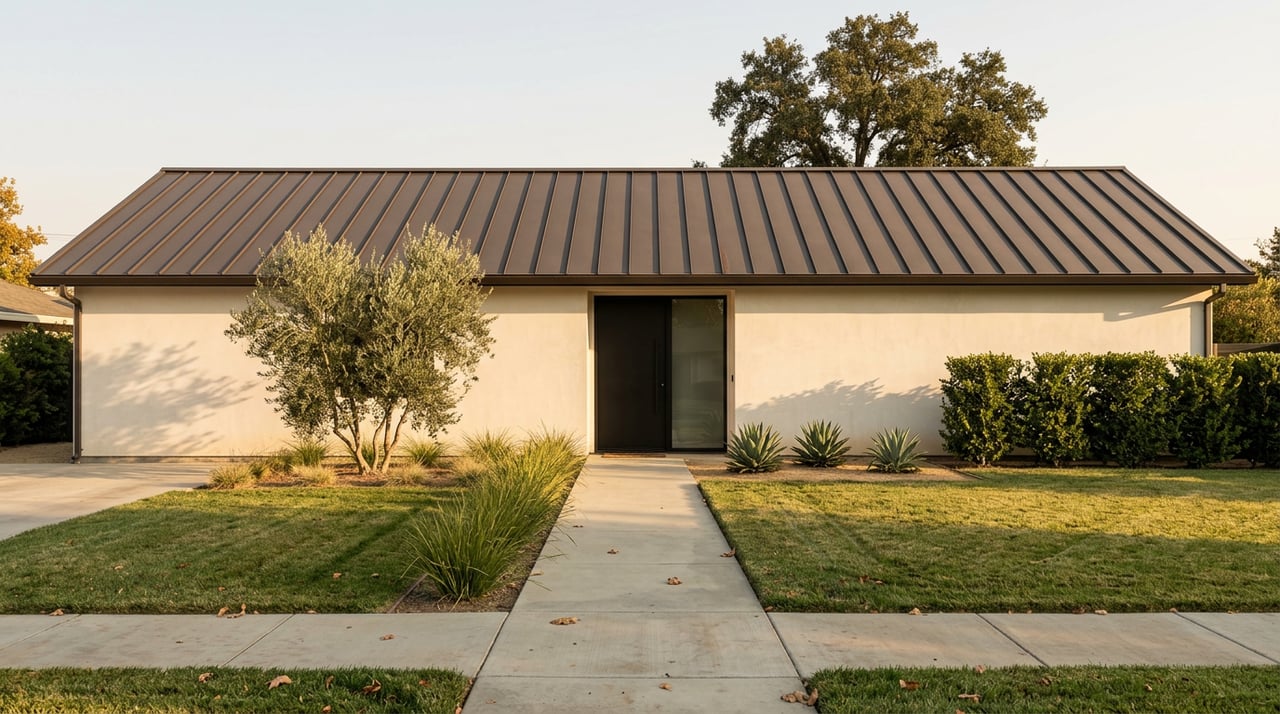
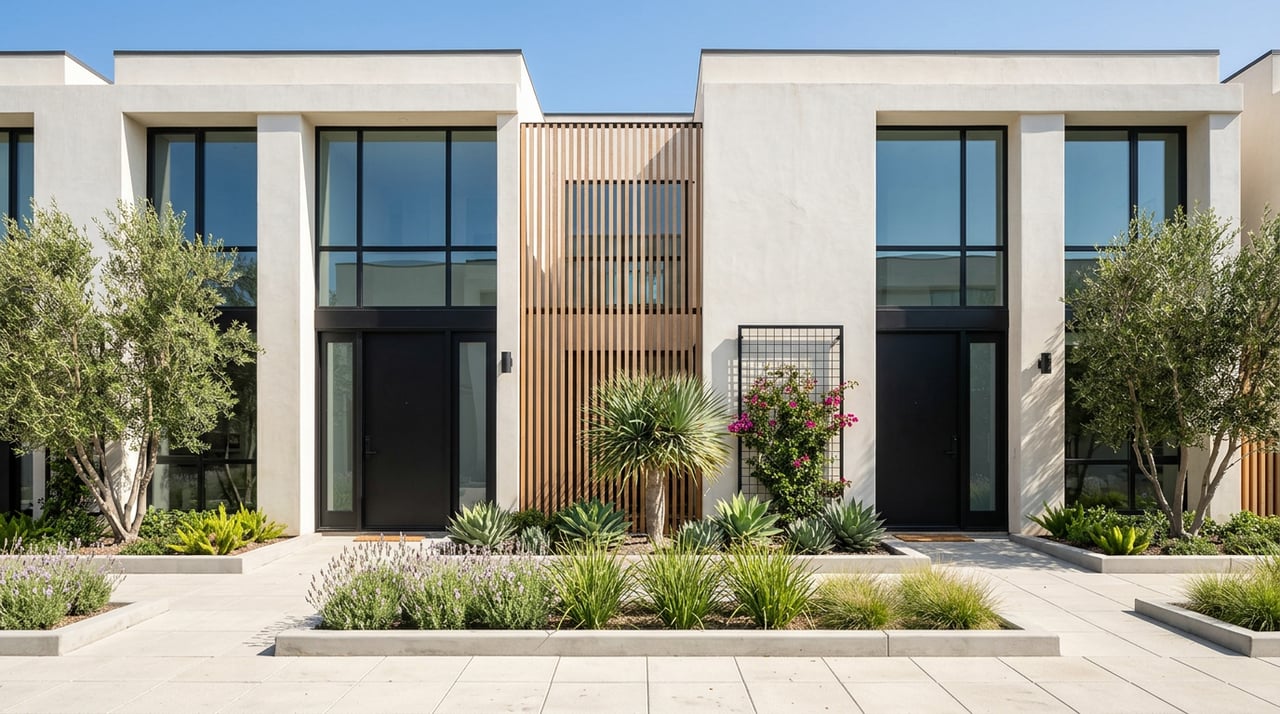
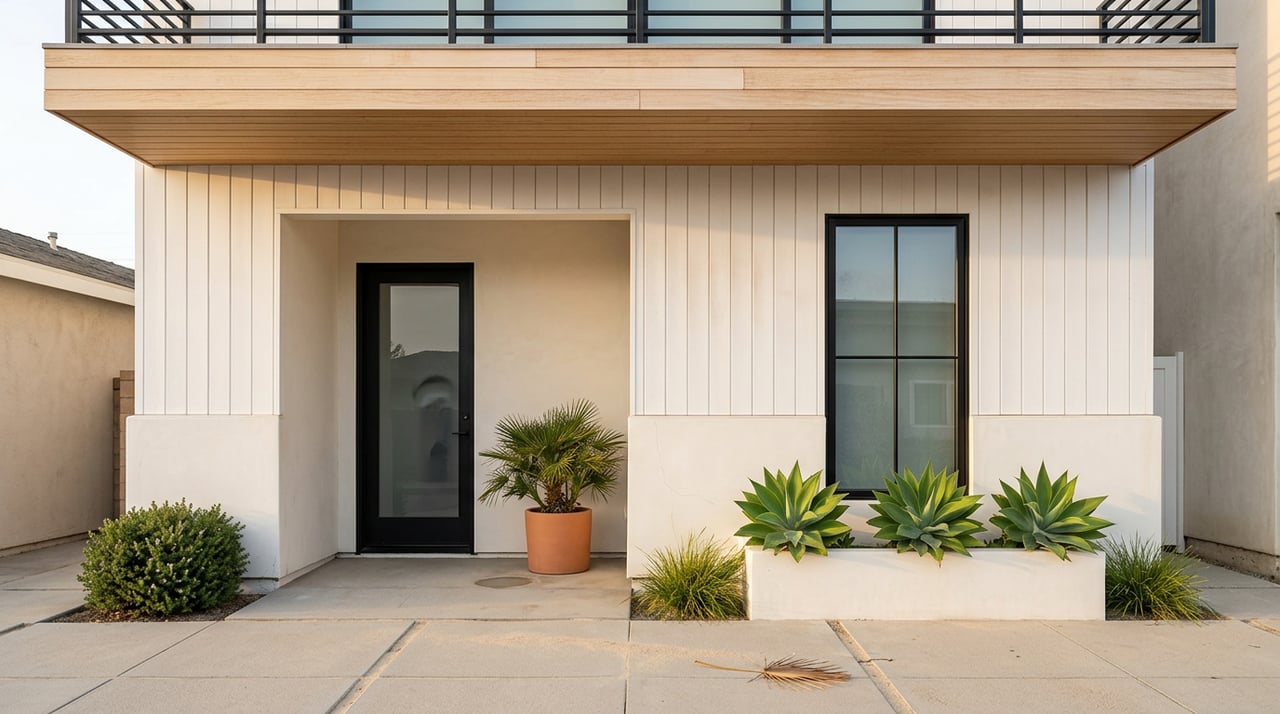
Townhome describes the building style, not the legal form. In Westlake Village, a townhome can be part of a condo association or it can be fee simple, where you own the structure and lot. If it is legally a condo, exterior care often looks like a condo. If it is fee simple, you may handle more exterior items like roof, patio, and small yard.
HOA duties and fees
Who handles maintenance
- Condos: The HOA commonly maintains the exterior building envelope, shared structures, landscaping of common areas, and shared utility lines.
- Townhomes: Responsibilities vary. Some HOAs maintain exteriors and roofs, while others leave items like roof, exterior paint, and private landscaping to the owner. Always confirm in the CC&Rs.
How dues are set
HOA dues fund common-area care, amenities, management, insurance, and reserves. Condo dues are often higher because the association covers more, including portions of building insurance. Fee-simple townhomes may have lower dues but higher out-of-pocket costs for exterior upkeep. The best comparison is the total cost of dues plus expected maintenance.
Reserves and special assessments
California HOAs must plan for reserves, but strength varies by community. A weak reserve can lead to special assessments, especially in older developments that need roof, siding, or seismic work. Review the reserve study, current budget, and meeting minutes to understand upcoming projects and assessment risks.
Insurance you will need
Condo policies
Most condo associations carry a master policy for the building and common areas. You typically carry an HO-6 policy to cover interior improvements, personal property, loss of use, personal liability, and loss assessment. Earthquake coverage is usually a separate policy in California.
Townhome policies
If the townhome’s HOA maintains the exterior similar to a condo, you may still use an HO-6. If you are responsible for the structure and roof, you will likely need a broader HO-3 or HO-5 policy that covers both interior and exterior. Earthquake coverage is typically separate.
What to confirm upfront
- Ask for the HOA’s master insurance certificate and declarations page.
- Note master policy deductibles and whether loss assessment coverage is advisable.
- Check whether earthquake is included at the HOA level. It usually is not, so plan accordingly.
Maintenance and lifestyle tradeoffs
Predictable vs variable costs
Condos deliver more predictable monthly expenses because many exterior costs are baked into dues. Townhomes can keep dues lower but shift more variable costs to you, such as roof replacement or exterior painting over time. Decide whether you value predictability or are comfortable budgeting for periodic capital projects.
Parking, storage, and outdoor space
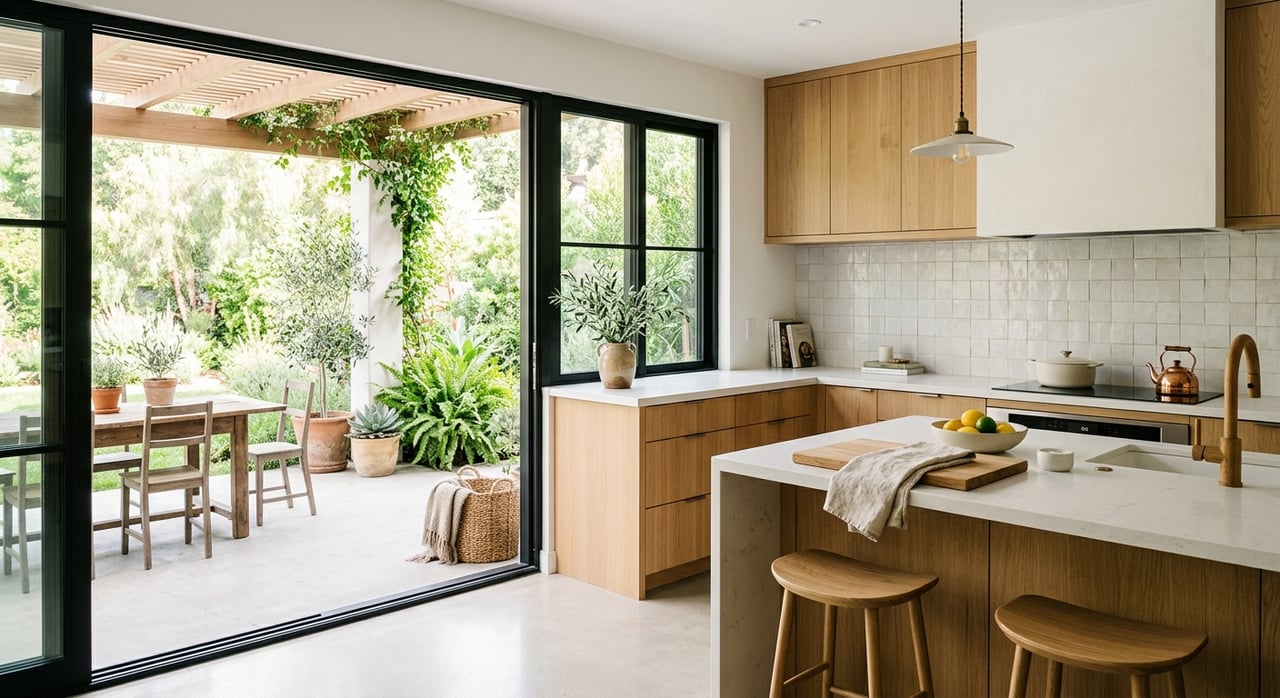
Many Westlake Village condos appeal to buyers who want convenience, lock-and-leave living, and amenities like pools and walking paths. Townhomes often offer direct garage access, more storage, and a small private patio or yard. That can be a win if you have pets, gear, or a home workspace.
Financing and resale in Ventura County
Lender project reviews
For condos, lenders look closely at the HOA’s financials, reserve health, litigation status, owner-occupancy, and adherence to agency guidelines. A project with red flags may limit FHA, VA, or conventional options. Townhomes that are fee simple can be simpler to finance because the loan focuses more on the individual property.
Appraisals and warrantability
Condo values can be more sensitive to investor concentration and supply in a complex. Townhomes with fee-simple ownership may be compared to single-family homes, which can affect loan-to-value ratios and appraisals. Ask early whether a condo project is considered warrantable by major agencies.
Resale factors in Westlake Village
Resale value depends on HOA health, location within the community, parking arrangements, and proximity to amenities and trails. In suburban areas like Westlake Village, townhome inventory can be more limited, which may impact demand. Condos in amenity-rich settings may command a premium per square foot for convenience.
Westlake Village lifestyle fit
Commute corridors and access
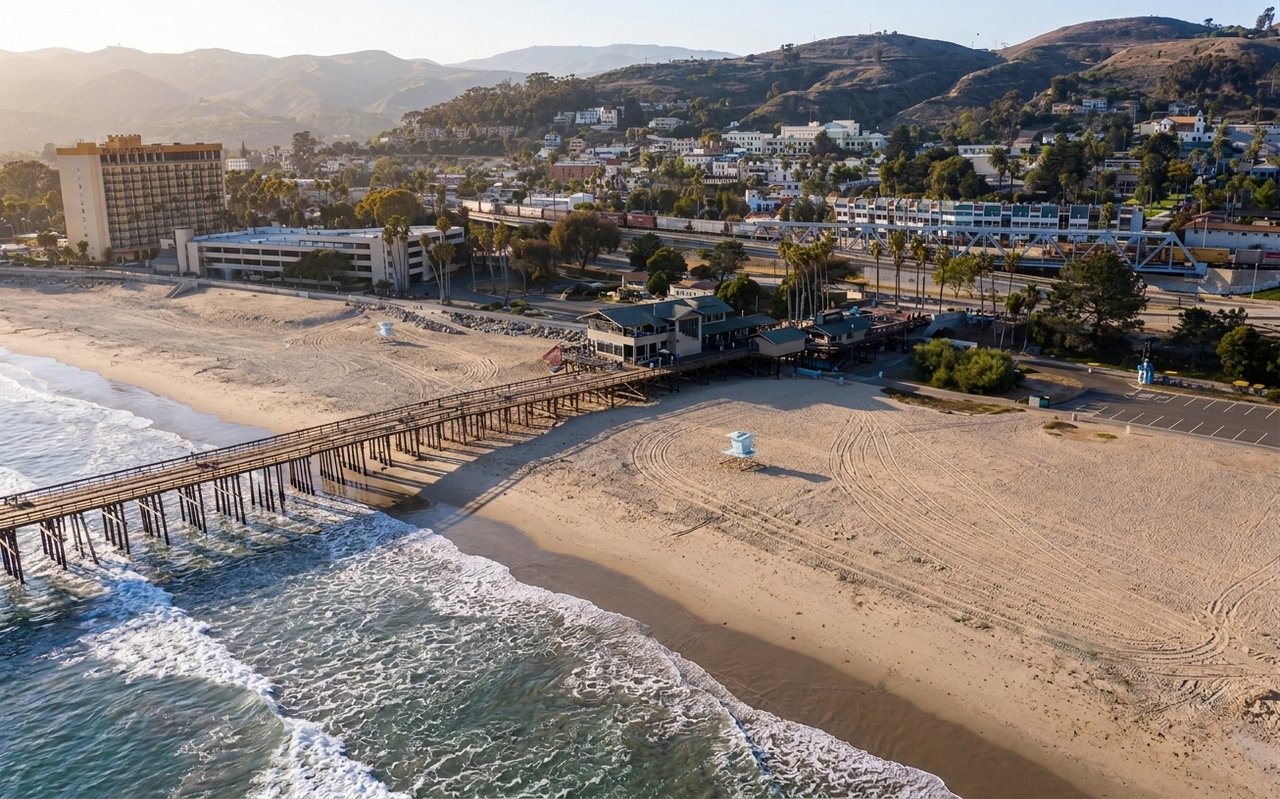
Westlake Village sits near the Ventura and Los Angeles county line, with quick access to U.S. 101 and State Route 23. If you commute to Thousand Oaks, Conejo Valley, or points toward Los Angeles, proximity to freeway onramps can save time. If you spend most days nearby, walkability to shopping and dining may take priority.
Amenities and walkability
Many condo communities cluster near village-style retail and dining, with on-site pools and paths that suit a low-maintenance routine. Townhomes typically provide more private outdoor space and direct garage parking. Choose the setup that matches how you spend your evenings and weekends.
Inventory patterns to expect
Supply shifts by season and by property type. To compare options, look at months of inventory, median price and price per square foot, and days on market for both condos and townhomes in your target area. Pay attention to HOA rules about rentals and parking, as these can influence both value and your daily experience.
Real buyer scenarios
- Scenario A: You want low maintenance close to dining and trails. A condo in an amenity-rich complex can offer predictable dues and a true lock-and-leave lifestyle. Review HOA rules for parking and short-term rentals and confirm master insurance scope.
- Scenario B: You want a garage, small private yard, and lower monthly dues. A fee-simple townhome may fit. Budget for periodic exterior work like roof, paint, and fence repairs, and confirm who maintains each item.
- Scenario C: You plan to rent part-time or invest. Check rental caps, lease minimums, and owner-occupancy rates. These rules affect financing, insurance, and future resale.
How to decide: a simple checklist
- Confirm the legal ownership type. Is the townhome legally a condo or fee simple? Review CC&Rs and title.
- Review HOA documents. Read the bylaws, CC&Rs, operating budget, reserve study, 12 months of minutes, insurance certificate, and litigation disclosures.
- Verify insurance needs. Determine whether you need HO-6 or HO-3/HO-5 and plan separate earthquake coverage.
- Clarify maintenance. Who covers roof, exterior paint, fences, decks, patios, landscaping, driveway or garage door, and exterior HVAC components?
- Pre-check financing. If you need FHA, VA, or agency conventional financing, ask whether the condo project is considered warrantable.
- Weigh location fit. Consider walkability to dining, access to Westlake trails, and distance to 101 or 23 for your commute.
- Check parking and storage. Confirm garage type, assigned spaces, and guest parking.
- Think ahead to resale. Compare recent sales for condos and townhomes nearby to understand demand.
- Identify special taxes. Ask about Mello-Roos or recent special assessments.
Next steps
Your best choice depends on how you want to live, what you want to maintain, and how you plan to finance. Start by touring a few condo and townhome communities in Westlake Village, then compare dues, reserve strength, and insurance requirements side by side. When you are ready to weigh tradeoffs with confidence, connect with Juliana Lisheski for local guidance, property tours, and a clear game plan from first look to closing.
FAQs
Who pays for the roof in a Westlake Village condo or townhome?
- It depends on the CC&Rs. Condos often have the HOA cover roofs, while fee-simple townhomes may place roof responsibility on the owner.
Do I need earthquake insurance for a condo or townhome in Ventura County?
- Standard HO-6 or HO-3 policies usually exclude earthquake. In California, earthquake coverage is typically purchased separately.
Are HOA fees usually higher for condos than for townhomes?
- Often yes, because condo dues typically include exterior maintenance and portions of building insurance, but compare total costs including owner maintenance for townhomes.
Will it be harder to get FHA or VA financing for a condo in Westlake Village?
- Possibly. Lenders review condo project approval, HOA financials, and other criteria. Projects that do not meet guidelines can limit loan options.
Which works better for private outdoor space and storage in Westlake Village?
- Townhomes commonly offer direct garage access and small private yards or patios, while condos emphasize shared amenities and low maintenance.
How risky are HOA special assessments in older communities?
- Risk varies with reserve health and upcoming projects. Review the most recent reserve study, financials, and meeting minutes for planned work and assessment history.