A Ventura hillside view can add real value, but it does not price itself. If you are selling in the hills, you already know that two homes on the same street can feel completely different once you step into the living room or out onto the deck. The good news is that with the right pricing strategy, presentation, and local market context, you can make a stronger case for your home’s view value. Let’s dive in.
Why Ventura hillside homes price differently
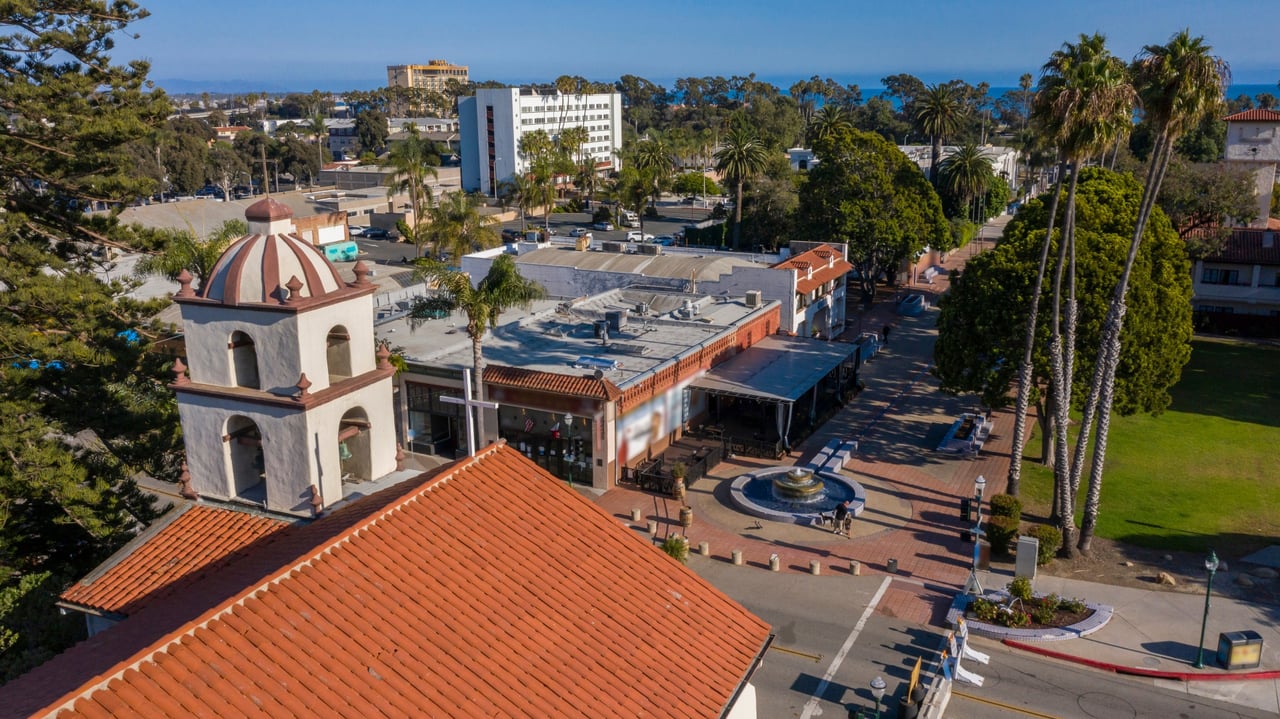
Ventura’s hillside area is generally defined by the city as the land east of Cedar Street and north of Poli Street and Foothill Road. The city’s Hillside Management Program is designed to protect natural and scenic character while also addressing hazards like fire, flood, erosion, and land slippage. That matters because buyers are not only paying for a home. They are also weighing the setting, slope, outlook, and upkeep that come with it.
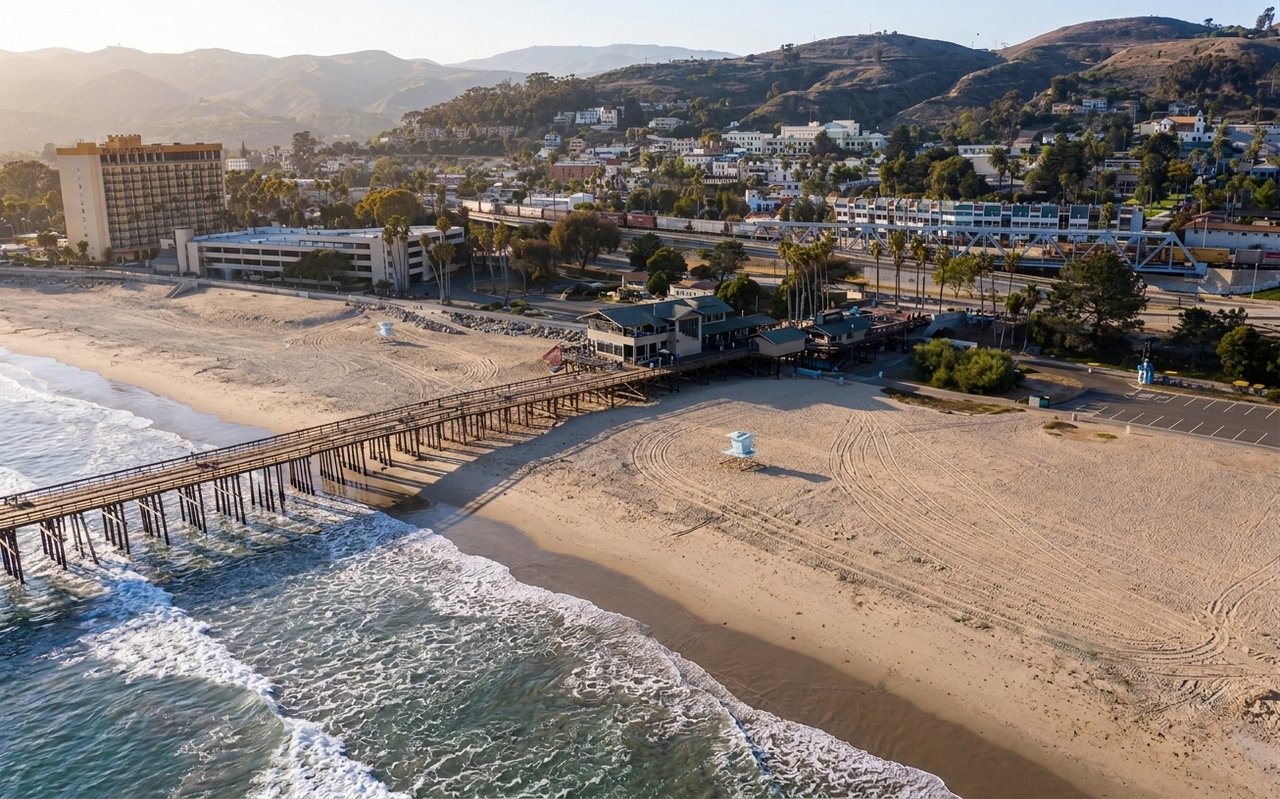
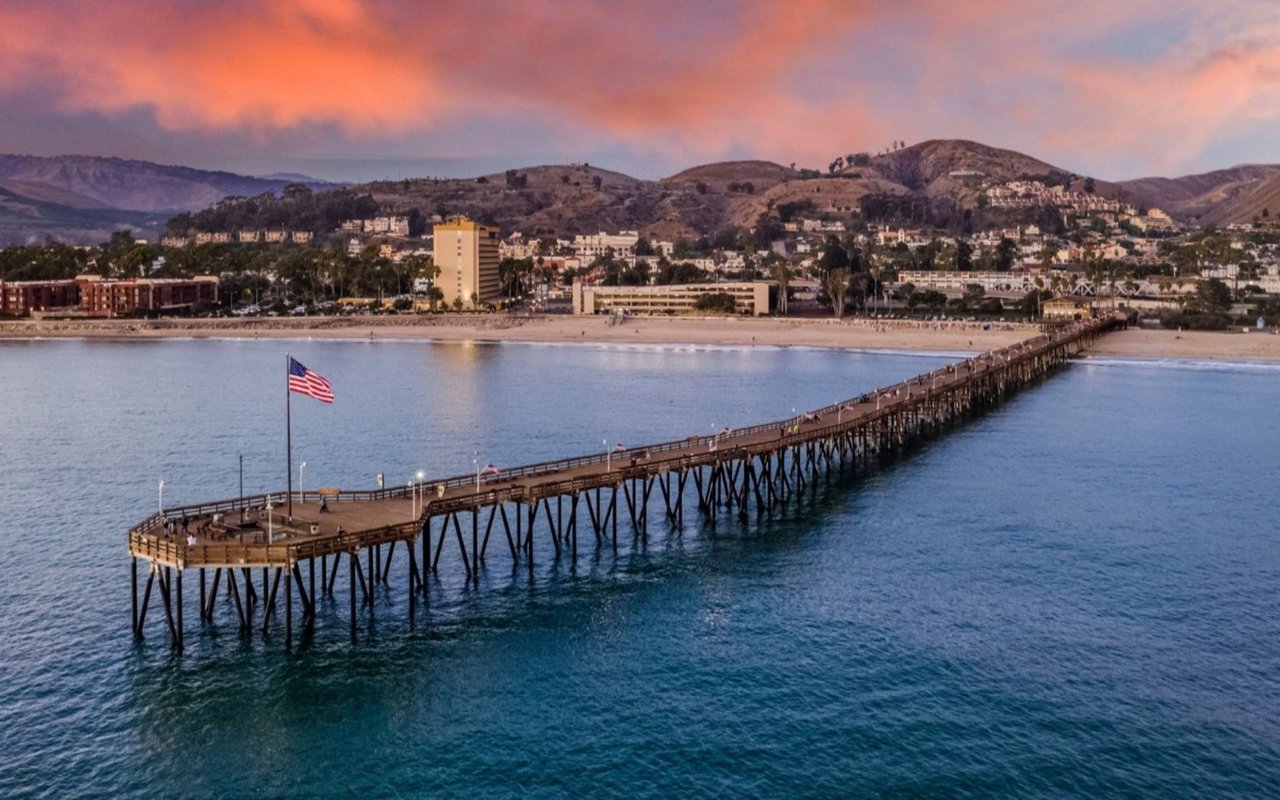
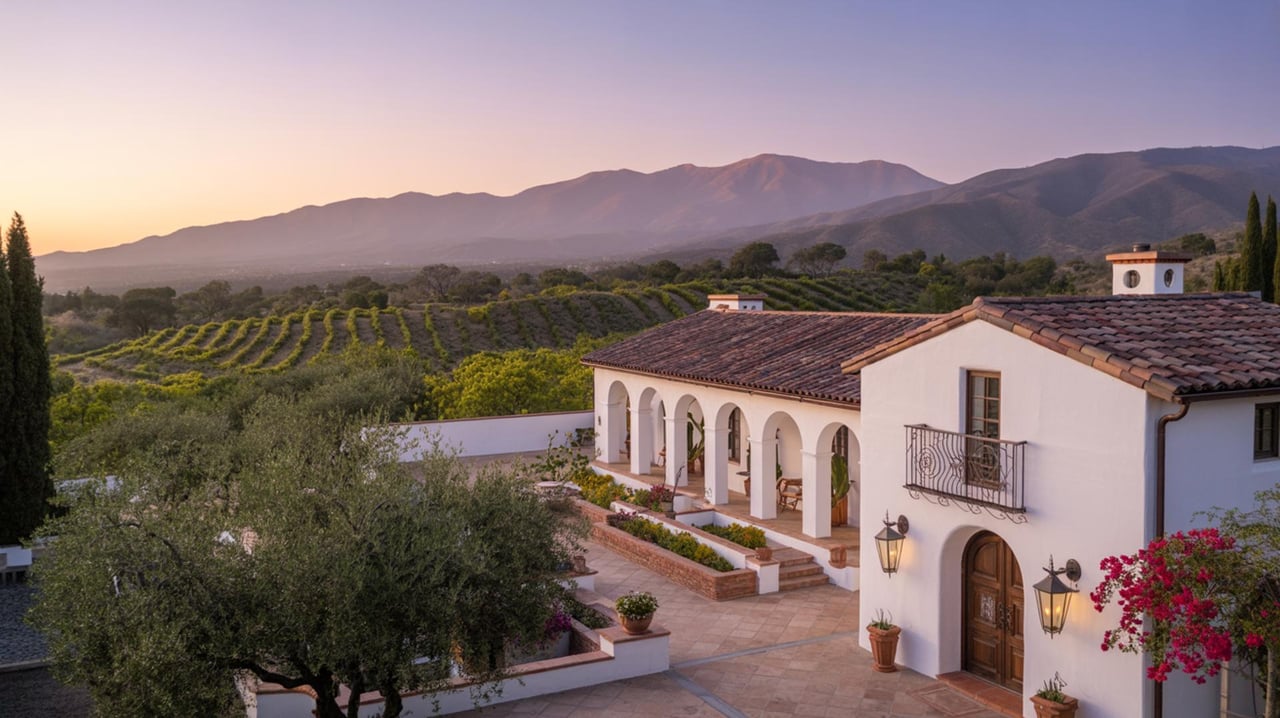
The hills in Ventura rise roughly 1,200 feet above the city and create sweeping vistas of the ocean, city, Ventura River Valley, and Oxnard coastal plain. That topography is part of what makes hillside homes so appealing. It is also why value can shift sharply from one lot to the next, even when homes are very close together.
Why one view is worth more than another
Not all views carry the same market impact. Appraisal research shows that value often depends on the geometry of the site, including elevation, slope, setbacks, and what sits between the home and the horizon. In simple terms, your neighbor’s home may have a very different premium even if it is only a few doors away.
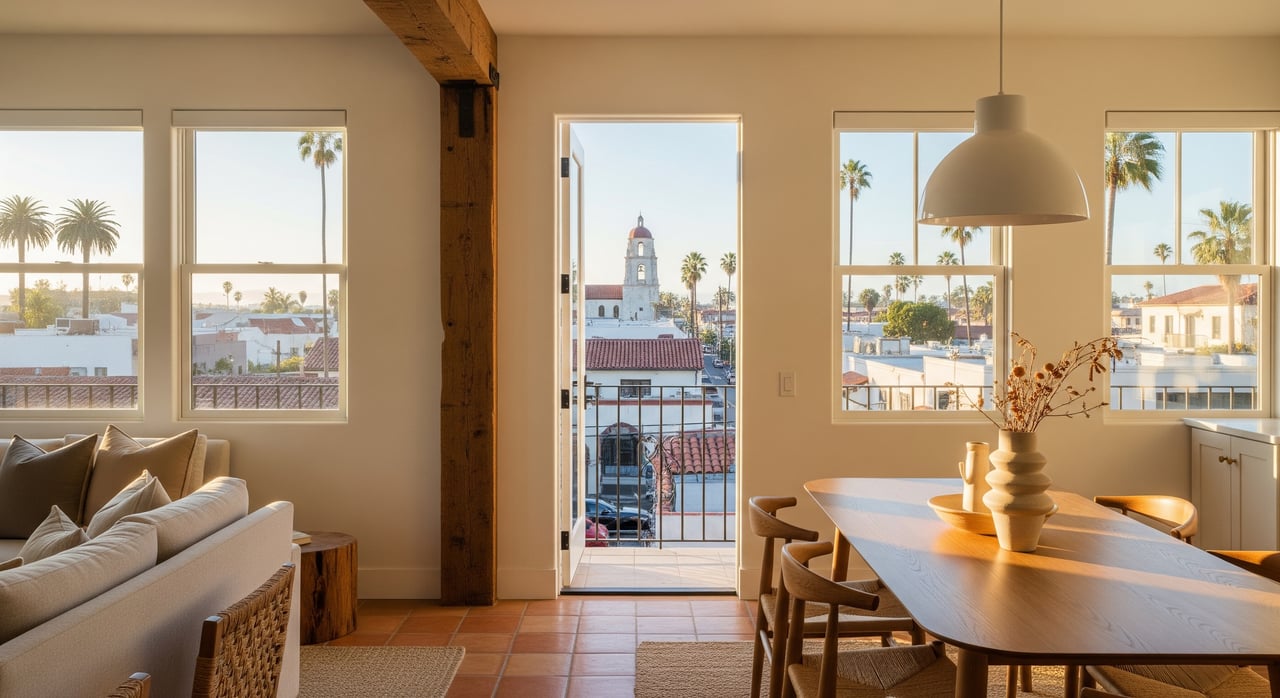
A buyer usually responds to more than the label of the view. They notice how wide it is, whether it feels unobstructed, and whether it is visible from the spaces where they spend the most time. A view from the kitchen, living room, primary suite, or main deck often matters more than a partial glimpse from a secondary bedroom.
What buyers are really judging
When buyers price a Ventura hillside view in their minds, they are often looking at a mix of factors:
- View width and how much of the horizon you can see
- View type, such as ocean, city, mountain, or a combination
- Obstruction level, including rooftops, trees, poles, or future build potential
- Main-room visibility from living spaces and outdoor entertaining areas
- Privacy and exposure tied to lot position and nearby homes
- Staying power of the view over time
That last point matters more than many sellers expect. A view premium can weaken if vegetation grows in, nearby development changes the sightline, or buyers grow more cautious about hillside costs and responsibilities.
Ocean views usually lead, but local comps decide
In appraisal literature, broad water views tend to rank highest. Open-space views and golf-course views often follow, while no-view properties sit at the bottom. That does not mean every ocean glimpse deserves the same premium, and it does not mean mountain or city-light views have no value.
In Ventura’s hills, the exact adjustment should come from local comparable sales, not a rule of thumb. A dramatic ocean panorama from the main living areas may command a stronger response than a narrow water sliver. On the other hand, a well-framed city-and-ocean view with privacy and strong indoor-outdoor flow may compete very well if the overall experience feels special.
Why there is no standard view percentage
Appraisers generally do not use a fixed formula like “ocean view equals 10 percent more.” California’s Assessors’ Handbook points to paired sales analysis as a common way to estimate an adjustment. That means comparing highly similar homes and isolating the value difference tied to the view.
When enough clean sales data is not available, appraisers may use statistical analysis or qualitative bracketing instead. For sellers, the takeaway is simple: a credible price is built on evidence from the local market, not on a generic percentage pulled from another area.
How to price your hillside home realistically
If you want to capture your home’s view value, start with the right comps. The strongest case usually comes from recent sales in the same hillside micro-location with similar lot orientation, elevation, and view quality. A sale from another part of Ventura may offer context, but it may not prove the premium your property can support.
This is especially important in a market where buyers have more options. SCAG reported that the median selling price of all homes sold in Ventura County was $947,000 for the first eight months of 2025, with inventory up 43 percent year over year. Redfin reported a Ventura city median sale price of $870,000 in March 2026. When inventory rises, buyers compare harder and challenge assumptions more quickly.
A smart pricing process
A thoughtful hillside pricing strategy often includes these steps:
- Identify the closest true comparables in the Ventura hills
- Separate view quality by width, openness, and room-to-room visibility
- Compare lot characteristics like slope, privacy, access, and build relationship to neighbors
- Account for condition and updates so the view is not credited for interior improvements
- Bracket the value if the market data does not support a precise adjustment
- Test the story in presentation with photography and showing flow
This approach protects you from two common mistakes. The first is underpricing a special view because it is hard to quantify. The second is overpricing based on emotion when buyers and appraisers may see meaningful limits.
View value depends on how the home lives
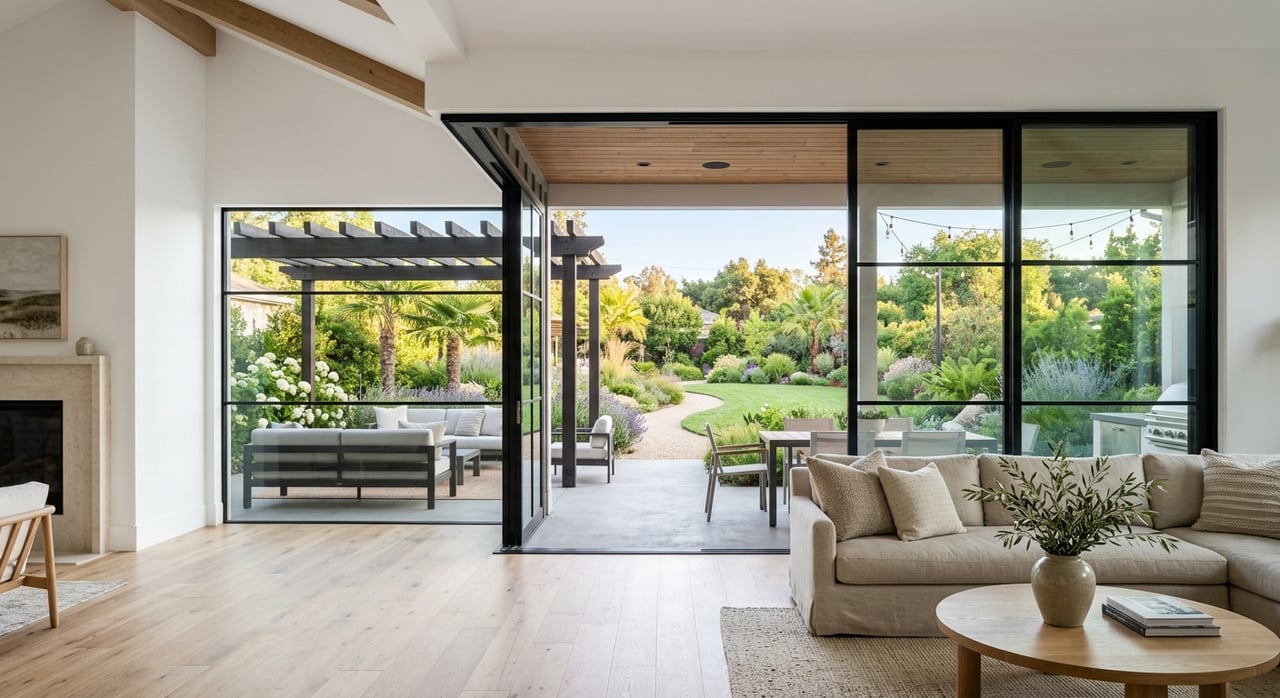
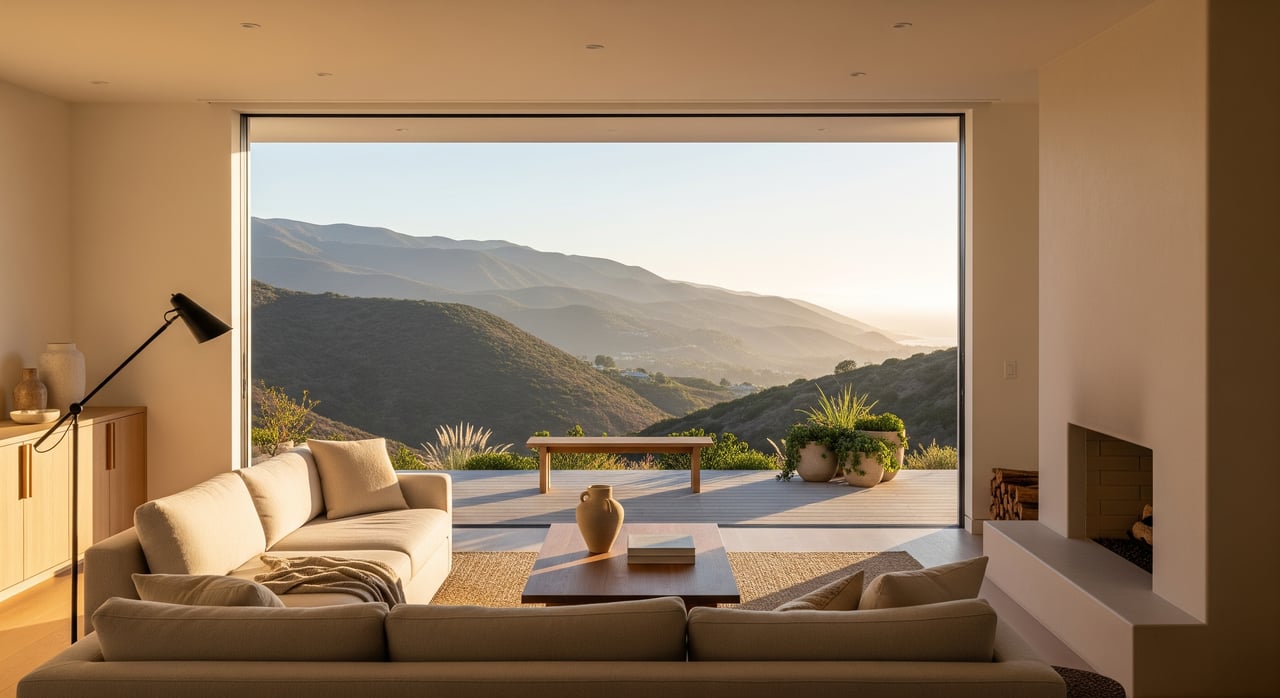
A great view is not just something you mention in the listing. It is something buyers need to feel as they move through the house. If the best outlook appears only from one corner of the lot, it may not carry the same weight as a home that opens naturally to the horizon from the entry, living room, kitchen, and deck.
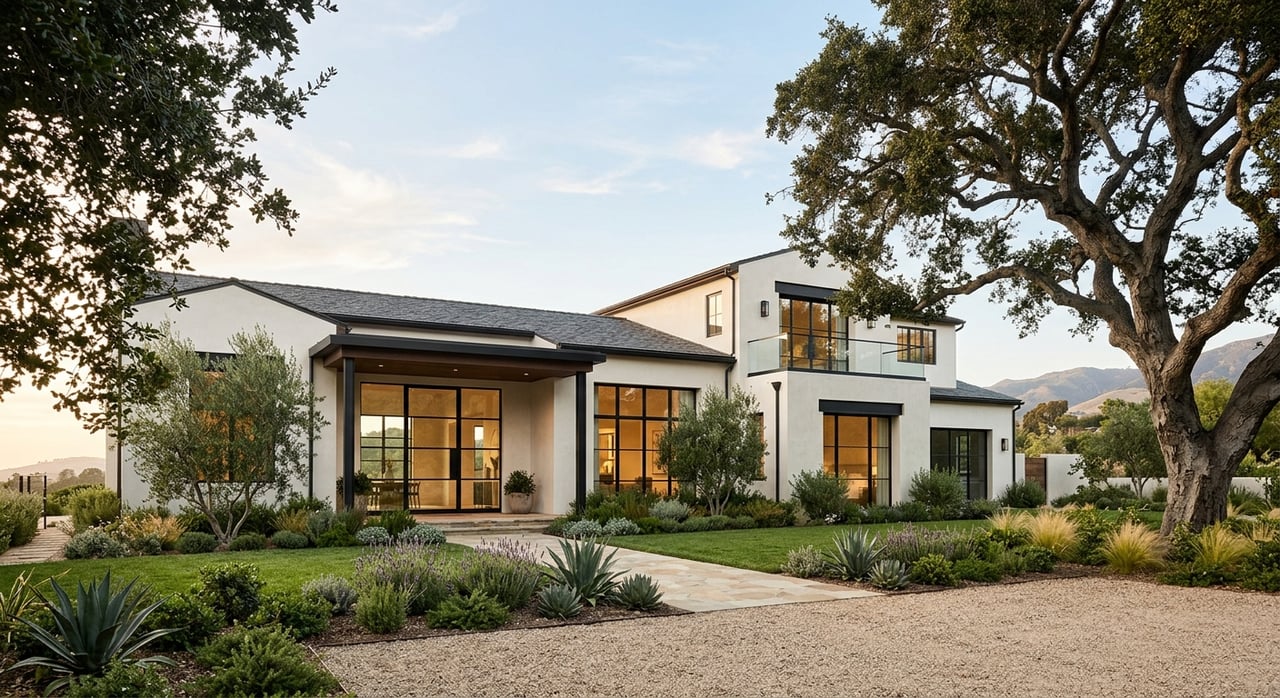
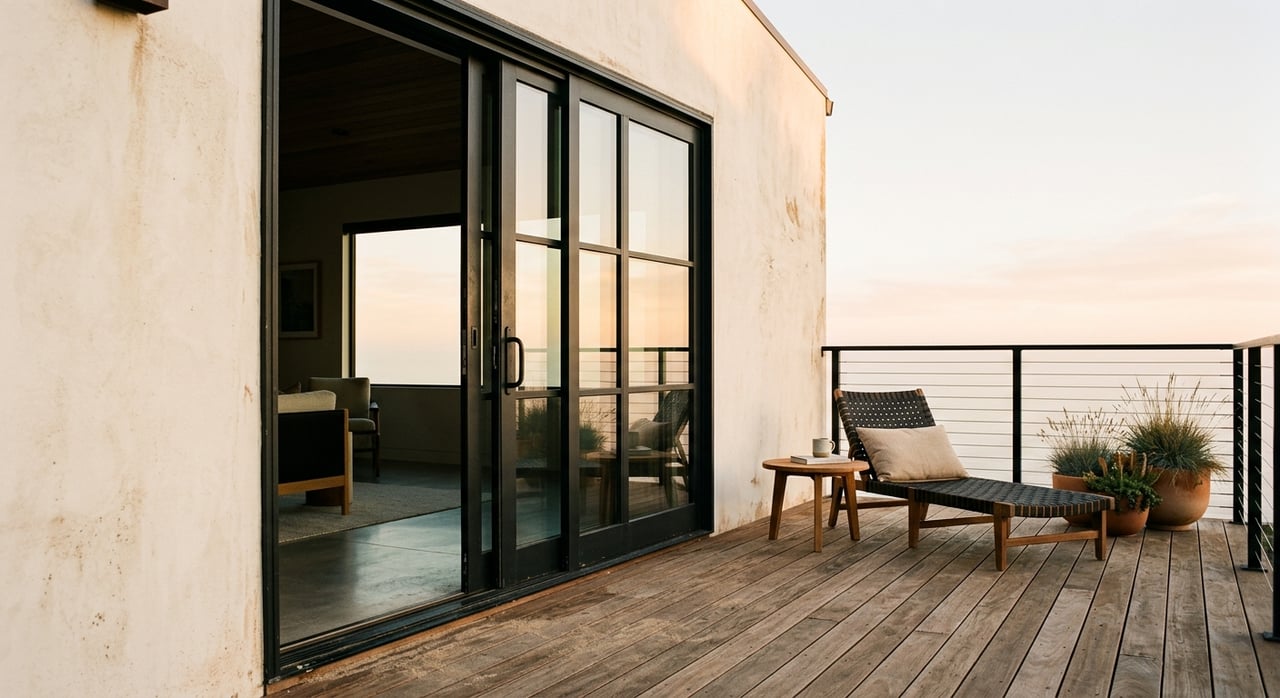
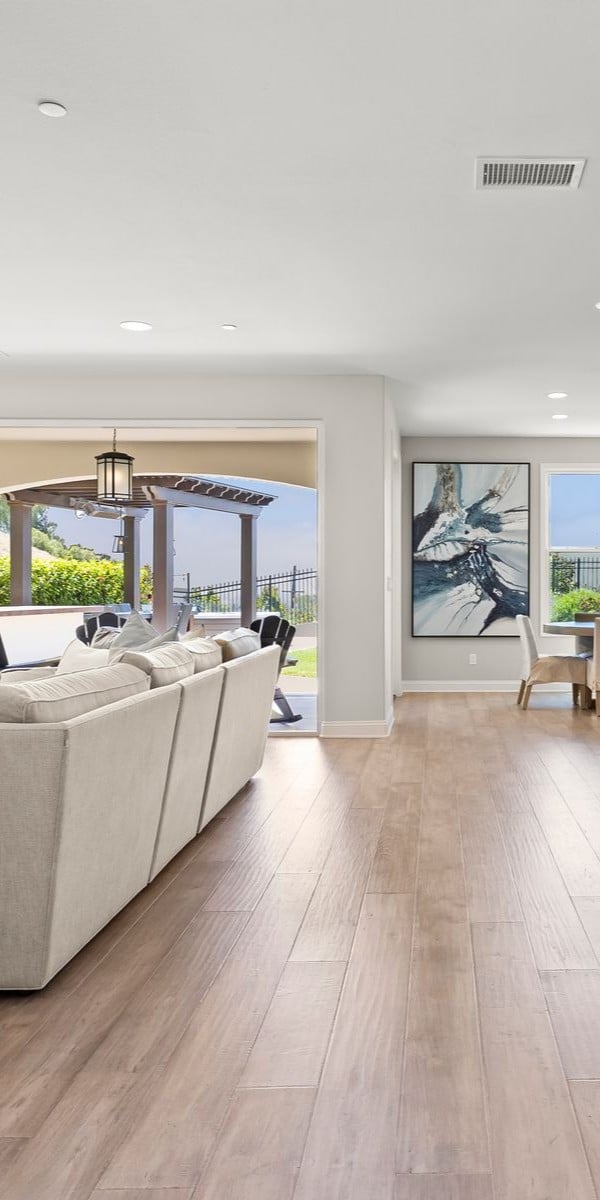
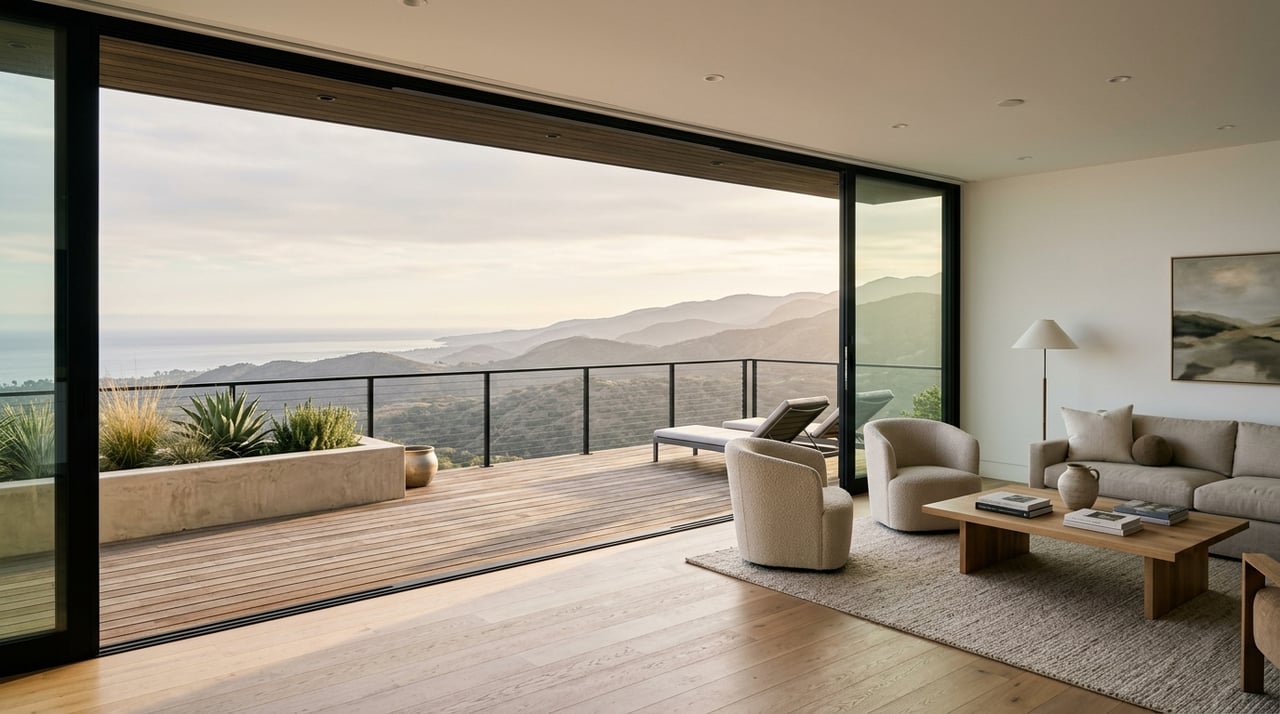
That is why presentation matters so much in Ventura hillside marketing. The research supports highlighting the places where buyers actually experience the view, including the entry, living room, kitchen, primary suite, patio, deck, and twilight exterior moments. A premium view should feel integrated into daily life, not treated like an afterthought.
What to highlight in your listing story
For a hillside seller, strong marketing should clarify not just that a view exists, but why it stands out. Useful details may include:
- Lot position on the street
- The openness of the sightline
- How the main living spaces connect to the view
- Outdoor areas designed to enjoy it
- Setbacks, slope, or nearby conditions that help protect the outlook
In Ventura, this is especially relevant because hillside development is reviewed through a city planning framework that considers topography, scenic character, grading, drainage, and geology. That does not guarantee a view will never change, but it does make the physical context of the lot part of the pricing conversation.
Hazards and upkeep can affect the premium
Views can lift value, but buyers also weigh the tradeoffs of hillside ownership. Ventura’s planning materials note special grading requirements in hillside areas. The city also adopted an updated Fire Hazard Severity Zone map effective July 1, 2025, classifying more than 4,600 acres as high or very high hazard, and the Fire Hazard Reduction Program requires brush management by June 1 each year in those zones.
That means some buyers may factor in ongoing maintenance, brush clearance, insurance concerns, or general risk tolerance when deciding what a view is worth to them. In practice, the most marketable hillside homes are often the ones that present both beauty and clarity. Buyers want to understand the setting, but they also want confidence that the home has been thoughtfully maintained and positioned.
How sellers can strengthen the pricing case
You do not need to guess at view value, and you do not need to oversell it. What you need is a pricing and marketing plan that connects your home’s outlook to the evidence buyers and appraisers actually use. In the Ventura hills, that usually means local comps, crisp presentation, and a clear explanation of what makes your view different from the one down the street.
For many sellers, the winning strategy is part analysis and part storytelling. The analysis comes from comparable sales, lot context, and market conditions. The storytelling comes from showing buyers exactly how the home lives with light, openness, privacy, and those signature Ventura horizon moments.
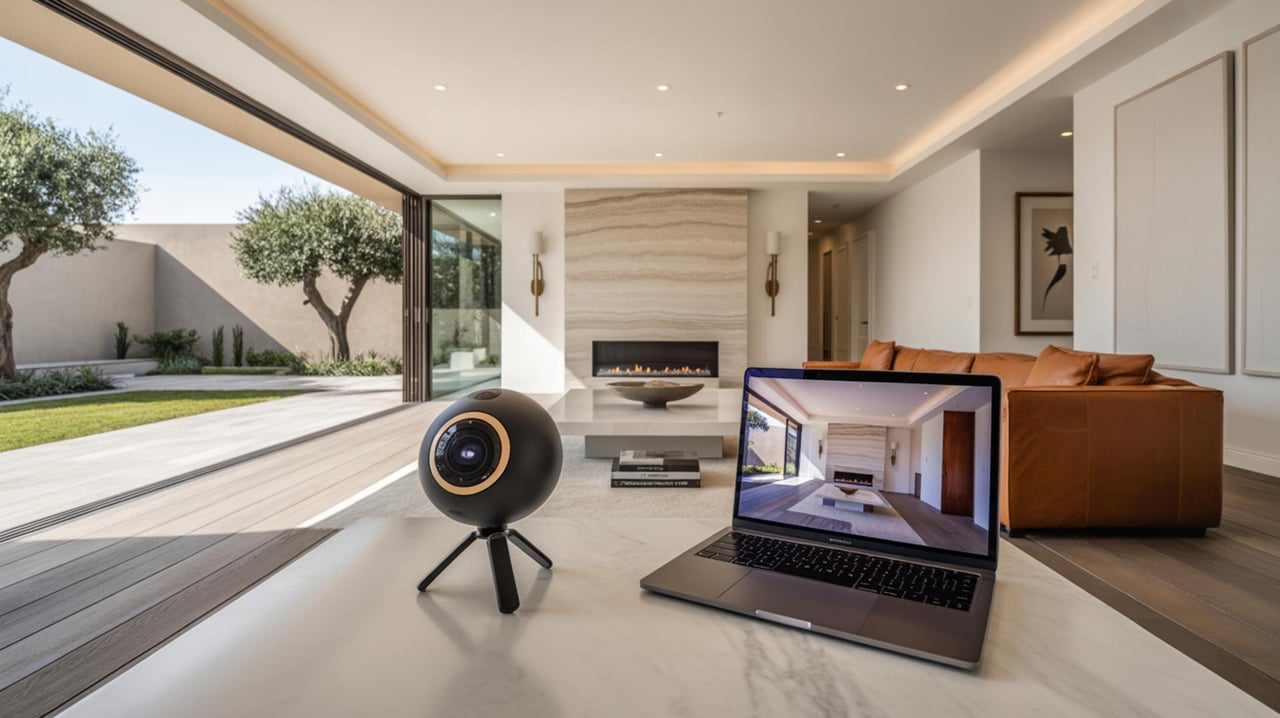
If you are preparing to sell a hillside property, that is where a full-service approach can make a difference. Professional photography, video, staging, and thoughtful pre-listing preparation can help your view read as a real market advantage rather than just a nice feature in the background.
When you are ready to price a Ventura hillside home with more precision and present it at its strongest, connect with Juliana Lisheski for local guidance, hands-on prep support, and marketing that tells the full story.
FAQs
How are Ventura hillside home views priced?
- View value is usually supported through local comparable sales, paired sales analysis, or qualitative bracketing rather than a fixed percentage.
Is an ocean view always worth more in Ventura Hillside?
- Broad water views often rank highest in appraisal research, but the actual premium depends on local comps, view width, obstruction, and where the view is experienced in the home.
What makes one Ventura hillside view better than another?
- Buyers often look at view width, openness, privacy, visibility from main rooms, outdoor enjoyment, and how likely the view is to remain open over time.
Can a Ventura hillside view lose value later?
- Yes. Vegetation growth, changes to nearby development, or buyer concern about hillside costs and hazards can reduce how much of a premium the market is willing to pay.
Do fire and hillside conditions affect Ventura home pricing?
- They can. Buyers may weigh special grading requirements, brush management obligations, and broader hillside maintenance or hazard concerns when deciding what a property is worth.