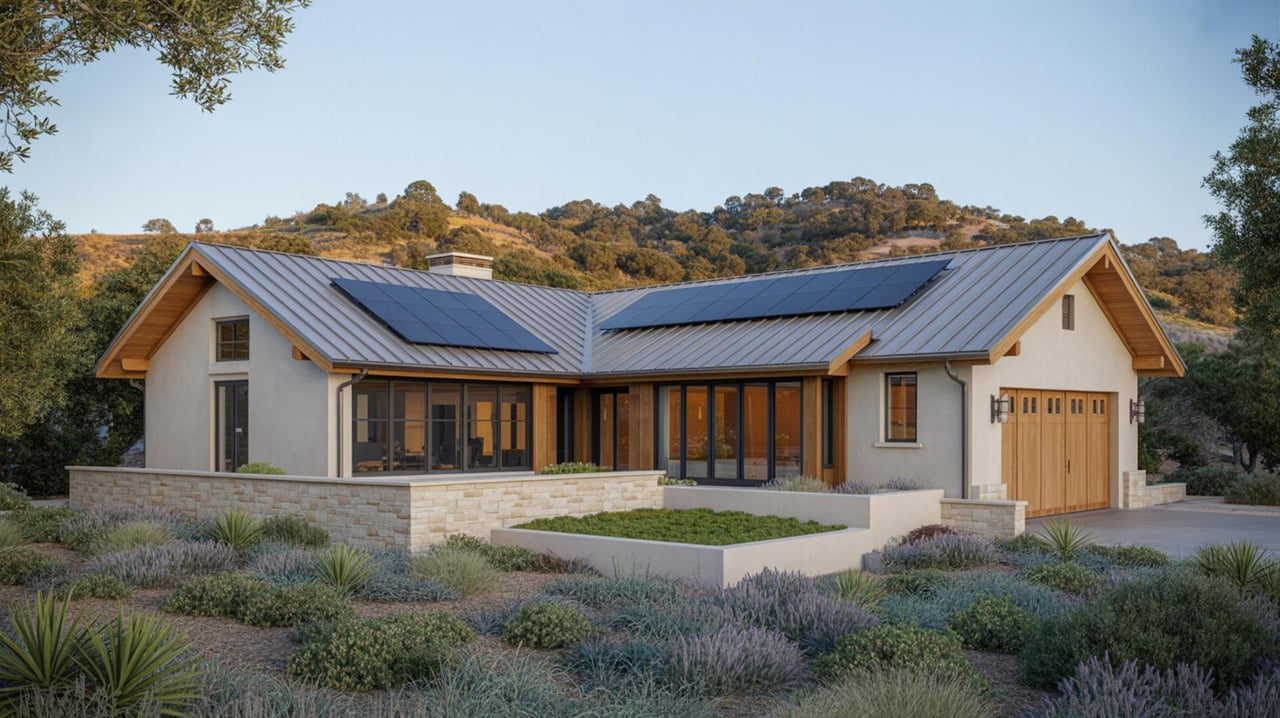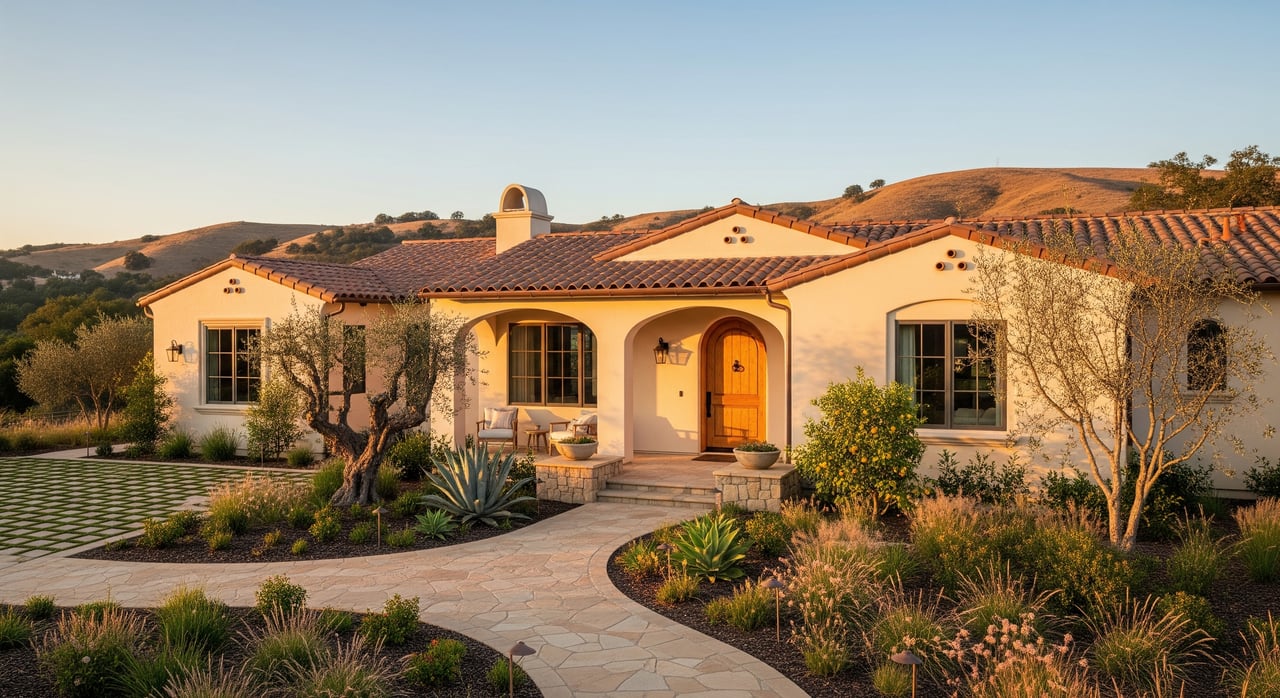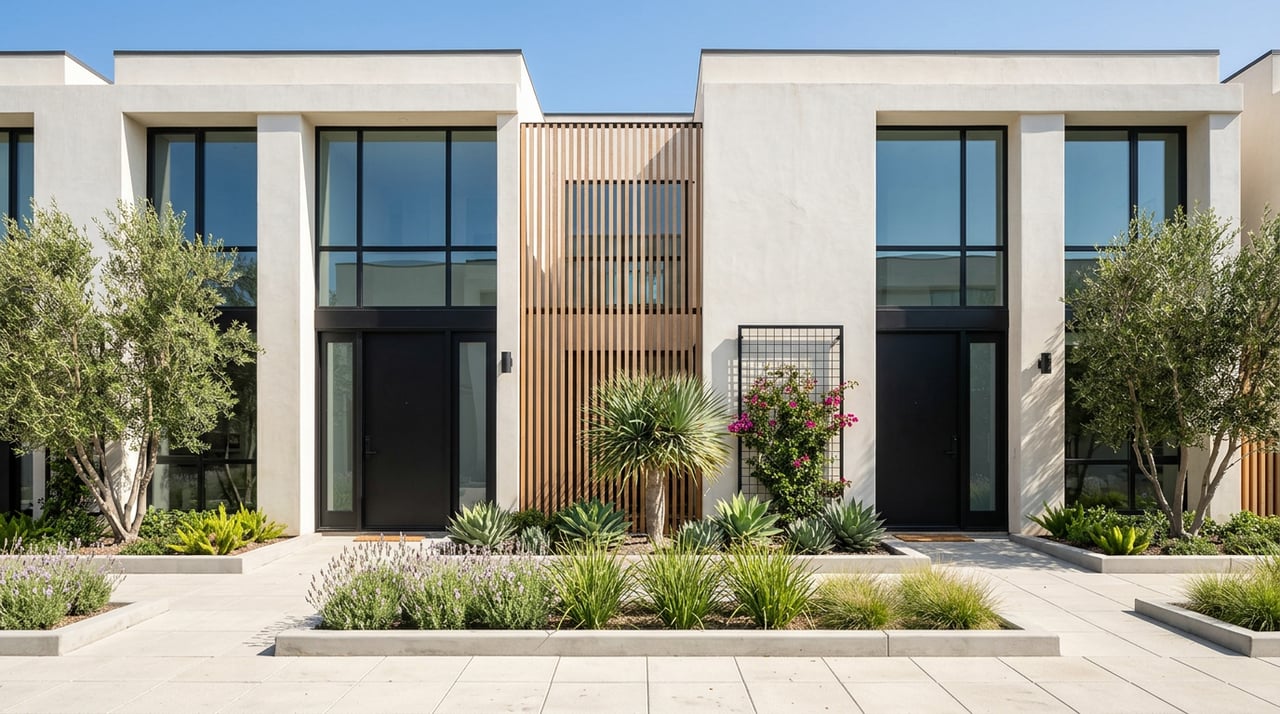
You want first pick on a brand‑new townhome in Westlake Village, but the rules around reservations, deposits, and “public reports” can feel like alphabet soup. You are not alone. California sets a clear sequence for how developers can market and sell new homes before they are built, and knowing that flow helps you move early with confidence. In this guide, you will learn exactly how boutique presales work here, what paperwork to expect, and how to protect your deposit from day one. Let’s dive in.
Westlake Village location basics
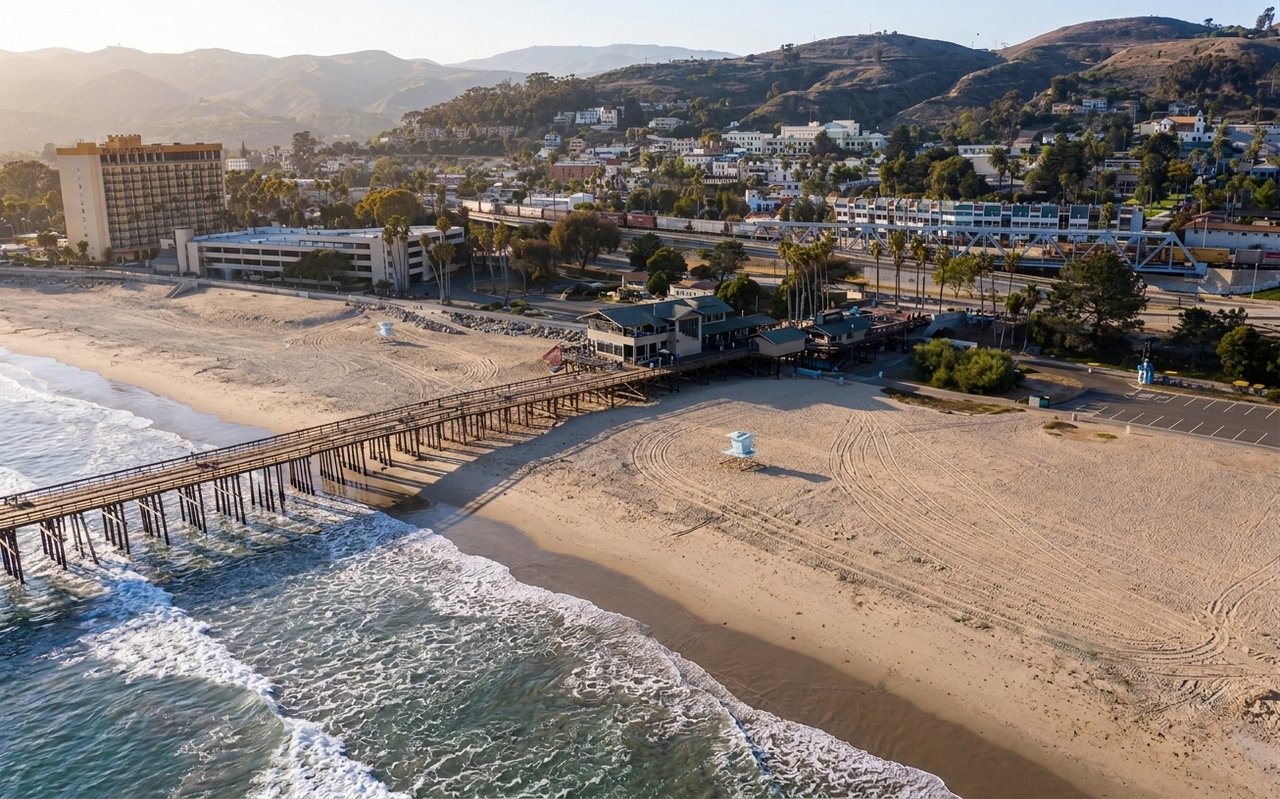
Westlake Village sits at the edge of Los Angeles County with part of the historic Westlake community in neighboring Thousand Oaks inside Ventura County. This line matters because different planning and permitting rules can apply depending on which side a parcel falls. The City’s general plan outlines core land use and development context for Westlake Village on the Los Angeles County side. You can review the overview in the city’s plan for grounding on how the city grows and evaluates projects.
- Learn how Westlake Village’s planning framework works in the city’s general plan overview on the City of Westlake Village site.
- Water service inside the City is provided by Las Virgenes Municipal Water District. Capacity checks and connection conditions are a common early step for new projects, so many developers confirm this well before sales launch. You can see the district’s service role on the LVMWD site.
If a townhome site is instead in Thousand Oaks, that city’s process and Ventura County codes apply. Your agent and the developer will disclose which jurisdiction governs the project.
What presales mean in California
Presales let you reserve or even sign a contract on an unbuilt townhome. In California, two state laws set the sequence for what can happen when:
- The Subdivision Map Act controls when the legal subdivision is created, often through tentative and final maps for five or more homes or condo interests.
- The Subdivided Lands Act, enforced by the California Department of Real Estate (DRE), controls presale marketing, public reports, and when binding contracts and closings are allowed.
The DRE explains these rules in plain language in its consumer guide. It also requires developers to give you the applicable public report and time to review it before you sign. For a clear overview, see the DRE’s Guide to Understanding Residential Subdivisions in California.
Public report stages
Public reports come in color‑coded stages you will hear about during a presale. Each stage changes what you and the developer can do.
- Preliminary public report (pink). The developer can market and take non‑binding reservations. Any deposit at this stage must follow DRE handling rules and is typically refundable under the reservation agreement. You must receive and acknowledge the report before a reservation is taken.
- Conditional public report (yellow). The developer may enter into binding purchase agreements, subject to stated conditions that must be satisfied for closings. You still receive the final report before you close.
- Final public report (white). Authorizes final sales and closings for the covered phase. You will receive this before closing as part of your file.
The exact report stage controls whether your spot is simply a soft hold or a signed contract that can proceed to closing. The DRE guide above is the best reference for the legal mechanics and buyer protections.
From reservation to contract
Here is how the buyer journey typically unfolds in a boutique Westlake Village townhome presale:
- Join the interest list. Early marketing usually shares floor plans, unit mix, and renderings. At this point, you should be told the project’s public report status.
- Make a non‑binding reservation. If a pink report is in place, you may be offered a refundable reservation with priority selection. You receive the preliminary report and sign a simple reservation agreement that explains deposit handling.
- Convert to a binding contract. When a yellow or white report is issued, the developer can invite you to sign a purchase agreement. You will receive the applicable public report for review before you sign.
- Work through milestones. Your contract may tie key events to map recordation, construction progress, HOA formation, and financing steps. Your agent should help you track these and keep paperwork aligned with the report stage.
How deposits are handled
Deposit money follows strict rules. In California, deposits must be handled with clear escrow instructions and full disclosure to you. A typical structure for boutique projects looks like this:
- Reservation deposit. Small, held per DRE rules during the pink stage, and typically refundable under the reservation agreement.
- Earnest money at contract. Paid into escrow when you sign a binding purchase agreement in a yellow or white stage.
- Progress deposits. Sometimes scheduled at milestones like final map recordation. Exact timing and refund rights are spelled out in your contract and escrow instructions.
Always read the escrow instructions and the public report before sending funds. The DRE’s consumer guide outlines how deposits must be handled and what you should receive before you sign. See the DRE guide for details.
Construction, maps, and closing
You will hear a lot about “the map” and “recordation.” That is because the final map is the legal step that creates the townhome interests under the Map Act. Many construction lenders also require the final map and certain improvements to be bonded or completed before closings. Practically, your closing will align with three things:
- Final map recordation for your phase.
- Final public report issuance for your phase.
- Construction and occupancy sign‑offs, including utilities.
Once those are in place, your escrow can close and you can receive your keys.
Typical boutique timeline
Every site is unique, but here is a conservative arc for an 8 to 40‑home townhome project in the Westlake Village area. Timing varies with city reviews and environmental steps.
- Months -12 to -6. Early design, pre‑application meetings with the city, and tentative map submission.
- Months -9 to 0. Entitlement window and any required environmental review. Complex environmental review under CEQA can add months, so plan for that variable.
- Months -6 to 0. Marketing prep, sales center or model planning, and VIP reservations if a pink report is available.
- Months 0 to +12. Sales during construction. If a yellow report is issued, binding contracts may be signed with conditions. Closings begin after the final map and final public report are in place, then proceed as homes are completed.
For a practical overview of how Los Angeles area permitting timelines and CEQA can affect schedules, see this permitting and CEQA timing guide.
Visualization that builds confidence
Since you are buying before completion, visualization tools help you understand space, finishes, and light.
- Interactive floor plans and photorealistic renderings.
- 3D digital‑twin tours for model homes or sales centers.
- Simple online option selectors and upgrade cost previews.
Industry adoption shows these tools reduce friction for buyers. A vendor‑sourced Matterport analysis of MLS data found listings with 3D tours sold up to about 31 percent faster in the study’s markets. You can read that analysis on Matterport’s blog. While results vary by market, immersive tools are now a common expectation in boutique presales.
Buyer checklist
Use this quick list to stay organized and protected:
- Confirm jurisdiction. Is the site within the City of Westlake Village or in Thousand Oaks inside Ventura County? Rules and fees differ. The city’s overview is a helpful starting point on the Westlake Village site.
- Ask for the public report. The developer must share the current DRE report stage. Read it before you reserve or sign.
- Clarify deposit terms. Is your reservation refundable, and when does it convert to earnest money in escrow? Get refund triggers in writing.
- Review HOA documents. CC&Rs, bylaws, and a draft budget are part of the DRE process for common‑interest projects. Request the latest versions and understand the estimated monthly assessment.
- Understand closing dependencies. Ask how final map recordation, the final public report, and occupancy sign‑offs affect your target closing date.
- Know the utility providers. In Westlake Village, potable water service is from LVMWD. Ask how utility sign‑offs are sequenced for closings. See the LVMWD overview.
- Lean on experienced representation. Work with a local agent who knows presale sequencing, DRE rules, and how to keep your file on track.
Ready to go first?
If you love the idea of locking in your favorite plan and finish package early, presales are a smart path. You just need a clear plan for reservations, deposits, and timing. Our boutique team pairs hands‑on buyer representation with the visualization and presale experience that moves you from interest list to keys with fewer surprises. If you want help evaluating a Westlake Village or Ventura County townhome presale, reach out to Juliana Lisheski to talk timing, protections, and next steps.
FAQs
Can I reserve a Westlake Village townhome before construction?
- Yes. With a preliminary public report, many developers accept non‑binding, refundable reservations. You should receive and acknowledge the applicable public report before any reservation is taken.
Are my deposits safe in a boutique presale?
- California DRE rules require clear disclosures and escrow handling. Your reservation agreement and escrow instructions define refund rights. Read the public report and escrow instructions before sending funds.
When do presale closings usually happen?
- Closings typically occur after final map recordation, issuance of the final public report for your phase, construction completion, and local occupancy and utility sign‑offs.
What if the project is in Thousand Oaks, not Westlake Village?
- Then Thousand Oaks requirements and Ventura County codes apply. The developer and your agent should confirm jurisdiction, which affects entitlement timing and fees, but your DRE public‑report rights remain in place.
Who provides water service for Westlake Village projects?
- Inside the City of Westlake Village, potable water service is provided by Las Virgenes Municipal Water District, and capacity checks are a common early step for new developments.
Will I see HOA budgets and CC&Rs before I sign?
- Yes. For townhome communities, the DRE reviews HOA documents as part of the public‑report process, and buyers receive the report and have access to HOA documents before entering a binding contract or closing.